
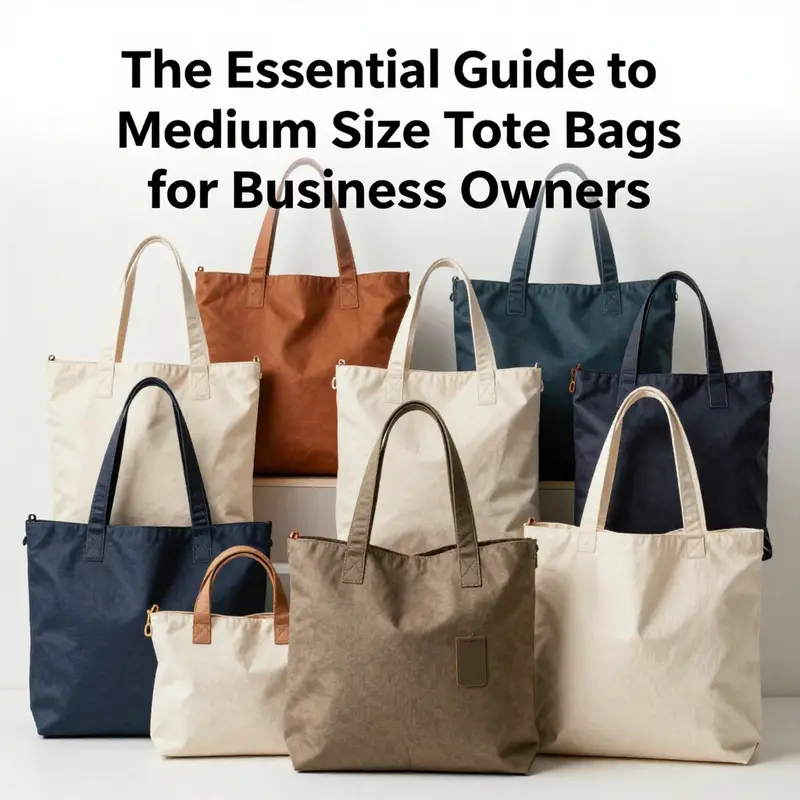
Medium-sized tote bags are not only practical but serve as a stylish accessory that can enhance your brand visibility and customer experience. Understanding their design features, materials, market trends, functionality, and sustainability will empower business owners to make informed choices that align with their business goals. Each of these chapters will delve into critical aspects that showcase the versatility and appeal of medium-sized tote bags, helping you integrate them smartly into your business strategy.
Balanced Carry, Built to Last: The Design Signature of Medium-Size Tote Bags
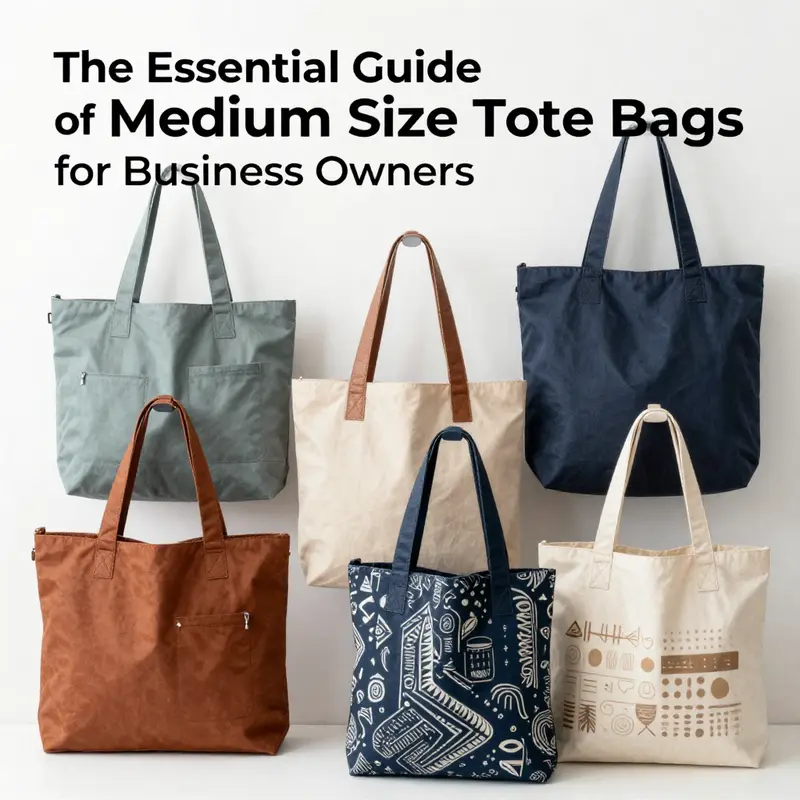
A medium-size tote bag sits at a curious intersection in the world of everyday carry. It carries enough to feel prepared for work, study, or errands, yet it remains light enough to move through a crowded hallway or a crowded street without commanding every inch of attention. The yield of this size is not mere accident; it is the result of deliberate design choices that parcel out capacity, durability, and style in one cohesive package. In a practical sense, the medium tote becomes a daily workhorse, a travel companion for short trips, and a versatile fashion accessory that can transition from a weekday commute to a weekend market with ease. The essence of its appeal lies in a careful balance: a width that typically spans roughly 12 to 16 inches, a depth that accommodates more than just papers, and a height that keeps the silhouette flattering whether it is filled or lightly loaded. This balance is not incidental but intentional, rooted in how people actually use bags every day. A tote of this size should be able to cradle a laptop up to about 14 inches, a notebook or two, a water bottle, and the wallet, keys, and phone that anchor a person’s daily routine. It should also leave room for personal items that vary from day to day—perhaps a planner, a sweater, or a few shopping finds—without turning into a burden to carry. The design philosophy here is less about maximizing volume and more about preserving accessibility while preserving form. When the bag hits a sweet spot in capacity, it becomes less a decision and more a fluid habit. You reach for it not because you must, but because it fits who you are and how you live on a typical weekday.\n\nDurability follows from material choices and the way a bag is assembled. Medium totes are commonly crafted from canvas for everyday resilience, leather for a refined grip on the day, or durable synthetics that withstand the demands of city life. Each material brings a distinct character: canvas offers a casual, utilitarian feel with the ability to shrug off a few scuffs; leather conveys a more polished presence with a timeless patina; synthetics offer a balance of weather resistance and color versatility. The structure of the bag matters just as much as the material. A slightly structured silhouette, reinforced corners, and sturdy handles help the tote maintain its shape as it carries a laptop, books, or groceries. Sagging is a common enemy in bags that are too soft for their intended load; countering that sag with a thoughtfully reinforced base and protected edges ensures the bag looks neat and performs consistently over time. The hardware—the hardware itself is not merely decorative but functional. A semi-stable buckle, robust rivets, and well-attached hardware resist daily wear and contribute to a sense of reliability that many users look for in a practical carry solution.\n\nInside, organization becomes the quiet engine of usability. The most valued interior features tend to be those that disappear into the daily rhythm of use rather than shout for attention. A dedicated laptop sleeve, if included, is a small but meaningful comfort; it keeps a bulky device from shifting during transit and reduces the risk of scrapes on the screen or keyboard. Zippered pockets offer a secure place for valuables, while slip pockets hold smaller items such as pens, a phone, or travel cards so they can be found at a moment’s notice. The beauty of interior compartments lies in the way they support quick, confident access. When a bag is well organized, morning routines speed up: you can locate a charger, grab a notebook, and slide the tote onto your shoulder without slowing your pace. A large interior that can swallow a book, a lunch container, or a water bottle without creating a bulky bulge demonstrates how a well-conceived internal layout translates into real-world efficiency.\n\nFrom a design perspective, the medium tote’s aesthetic is a study in balance as well. A bag of this scale invites a range of visual identities, from minimalist monochromes to richer colorways that spark a personal mood. Signature hardware and subtle branding can reinforce a bag’s character without overwhelming its utility. The tactile interplay between fabric, trim, and hardware often tells a story about how much attention was given to the end user. For some, the signature look is about a clean, timeless form that can be paired with a suit or a weekend outfit. For others, it is about a bold color or a unique texture that adds a personal spark to daily wear. In either case, the design language of a medium tote is careful not to shout so loudly that it disrupts the wearer’s overall ensemble. Instead, it suggests a poised confidence: a bag that is dependable, adaptable, and quietly stylish.\n\nThe carrying options further refine the bag’s versatility. Most medium totes offer two reinforced handles designed for hand-carrying, which keeps the bag close at the side during a commute, and many include an optional detachable shoulder strap for hands-free wear. This dual capability ensures that the bag can be ported comfortably whether you are navigating a crowded bus, walking across a campus, or wheeling through a grocery corridor. The strap length is carefully considered so that a user wearing a coat, a blazer, or even a bulky sweater can still balance the bag neatly against the body. The result is a carry that feels natural rather than awkward, reducing fatigue over long days and peak hours alike.\n\nBeyond the raw mechanics, the medium tote has a dimension of customization that differentiates it from purely utilitarian options. Some brands offer monogramming or personalization as a bespoke touch, inviting a sense of ownership and a hint of luxury without necessarily moving into custom-made price territory. The opportunity to add initials or a small emblem can elevate a tote from a functional object to a personal companion. Even without personalization, the bag’s design can communicate a brand’s attitude through color choices, line work, and the rhythm of its seams. In this sense, the medium tote serves as a canvas of everyday chic, a dependable stage on which the wearer’s daily rituals perform with grace.\n\nThe conversation around medium totes inevitably touches on sustainability and the lifecycle of the bag. The growing availability of eco-friendly options—reusable totes crafted from sustainable fibers, recycled materials, or responsibly sourced leather alternatives—speaks to a broader cultural shift toward mindful consumption. For shoppers who want something that aligns with a calmer footprint, these totes offer practical benefits in addition to style. They are sturdy enough for repeated use, easy to clean, and flexible enough to adapt to a wide range of occasions. This environmental sensibility is not in tension with durability; rather, it reinforces the idea that a well-made bag should endure, not vanish after a season. Shopping for a medium tote, then, becomes a study in balancing personal aesthetics with practical ethics, a search for something that remains relevant as seasons change and needs evolve.\n\nAs the design story unfolds, many readers will notice how the medium tote’s features reinforce everyday habits. The capacity supports the modern rhythm of life—early starts, late afternoons, and everything in between. Durable materials and careful construction offer reliability when schedules are tight and pace is high. A structured silhouette preserves a clean line that translates well across settings—from a classroom to a conference room to a weekend farmers market. Inside, organization becomes a quiet, reliable ally, helping to keep essential items readily accessible without creating a tangle of pockets and gaps. The carrying options honor different modes of movement, letting a single bag adapt to how a person travels on any given day.\n\nIn short, the medium-size tote bag is more than a way to transport objects; it is a crafted instrument for daily life. Its design features—balanced capacity, durable materials, a thoughtful silhouette, organized interiors, adaptable carry options, and subtle ways to signal personality—work in concert to support efficiency, comfort, and personal style. The result is a bag that feels almost inevitable in hindsight: the choice you make when you want reliability without sacrificing polish.
Weaving Purpose: The Fabrics and Fibers Behind Medium-Sized Tote Bags
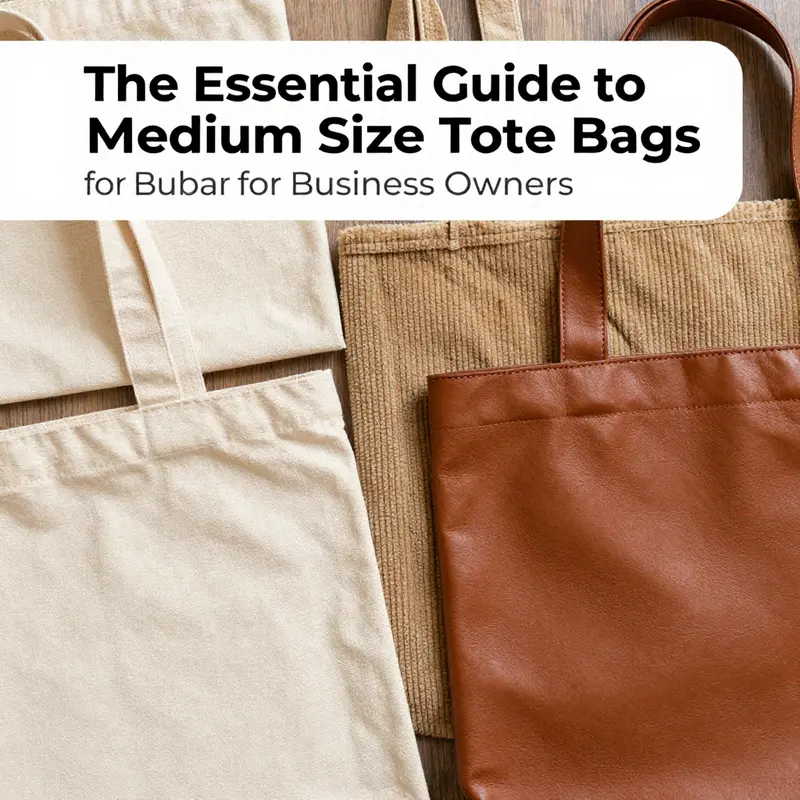
The material that shapes a medium-sized tote bag does more than determine its look. It defines how much it carries, how it wears over time, and what it costs to own and care for. In a market that prizes practicality without sacrificing personality, the fabric is the first conversation a bag has with a buyer. It sets expectations about weight, resilience, and environmental footprint while still signaling style. A well-chosen medium tote feels responsive to daily rhythms, from quick grocery runs to late-night study sessions, and its material choices influence every step from production to daily use. The goal is a balance: bags that stay sturdy through a commute, are easy to clean, and still retain a sense of character as days unfold. When we pull a bag from a shoulder, the fabric speaks about the person carrying it as much as about the bag’s capacity. A canvas exterior might offer a softer, more forgiving texture, while a tightly woven synthetic can shout preparedness and travel readiness. The dance between form and function begins with material selection, a decision that ripples through weight, water resistance, breathability, and even how the bag accepts dye and patina over time. In other words, the fabric is the backbone of everyday practicality and a window into how a bag ages with its owner. A lot of shoppers don’t realize how much the fiber type can influence care routines. Some fabrics shrug off stains with simple wipe-downs; others demand gentler handling to preserve color and strength. The most successful medium totes learn from this physics of use, embracing materials that can bear the day’s demands while staying within a reasonable price range. The evolution of these bags reflects a broader shift in consumer priorities: sustainability, durability, and a taste for tactility that feels real rather than artificial. It isn’t only about what looks good on a shelf; it’s about what looks good after a week, a month, or a season of daily wear. Those who choose materials thoughtfully often find a bag that remains relevant far longer than a trend, even as its color or texture develops a personal story. The result is a collection that feels grown and practical at once, a companion across work, study, shopping, and weekend escapes. For many, the appeal of a medium tote lies in its ability to blend into multiple contexts. The material supports this versatility by combining robustness with adaptability. A sturdy canvas can shelter a laptop and notebook alike, while still presenting a clean, almost timeless silhouette. A more supple fabric might highlight a softer aesthetic, pairing well with casual outfits and a relaxed city vibe. In exploring these fabrics, it helps to map the terrain of strengths and constraints, recognizing that each fiber brings its own chorus to the bag’s overall performance. Canvas offers a timeless foundation. Made from cotton or cotton-poly blends, it carries a sense of quiet durability that ages with a familiar, almost nostalgic patina. The texture is grainy, tactile, and honest—the sort of surface that invites touch and shows wear in a way that feels earned rather than damaged. Heavier canvas can carry a surprising amount of weight without losing its shape, while lighter variants keep the tote nimble for everyday errands. The natural look of canvas, with its irregularities and subtle creases, often resonates with those who want practicality without sacrificing character. Yet craft and texture aren’t the only considerations. Canvas can be surprisingly versatile in care, responding well to spot cleaning and occasional conditioning, which helps preserve its suppleness and prevent fraying at the edges. It is also a sturdy vehicle for color and print, offering a dependable backdrop for personal expression through designs that nod to urban life, academia, or outdoor adventures. Organic cotton takes that same sensibility and adds a deeper layer of sustainability. Grown without harmful pesticides, organic cotton tends to feel softer and more breathable, yielding a bag that sits close to the body with a gentle cushion. Consumers drawn to environmentally conscious fashion often gravitate toward organic cotton for its biodegradability and reduced ecological strain. The softness can be especially appealing in totes that carry daily essentials like a cardigan, a notebook, and lunch—not to mention a charger and a water bottle. Because it’s grown with attention to soil health and water use, organic cotton is frequently chosen by shoppers who value a narrative of responsibility as part of their daily routine. The tactile experience—how the fibers bend, how the dye sits, how the surface resists or reveals wear—matters as much as the bag’s silhouette. Recycled polyester, or rPET, represents a different track in the fabric map. Made from post-consumer plastic bottles, rPET blends sustainability with practical performance. It is lighter than many natural fibers, and its resilience translates into water resistance and quick-drying properties that come in handy on wet commutes or spontaneous weekend trips. The eco-credential is reinforced by the life cycle: post-consumer materials re-enter use, reducing waste and offering a modern, hotel-room-slick finish that still reads as durable. For a tote designed to daily-handle rain or splashes, rPET provides a practical solution that aligns with a conscious approach to consumption. It is common to find rPET in bags that emphasize sporty or travel-ready silhouettes, where weight savings and resilience are prized. Blends can fuse the best of both worlds. Lightweight synthetics blended with natural fibers are common because they tune the bag’s weight, stiffness, and structure. A touch of synthetic nylon in strategic areas can boost tear resistance and help the tote keep its shape when filled with books, a laptop, or groceries. These blends can also influence colorfastness and water resistance, making the tote more forgiving under unpredictable weather or busy urban routines. This is where the design conversation shifts from purely aesthetic to practical, balancing the visual weight of the fabric with real-world demands. Hemp is another fiber that has earned a quiet respect among tote designers, especially for those who value sustainability and durability with low environmental impact. Hemp grows with minimal water and no required pesticides, and its fibers are naturally strong and resistant to mold and UV damage. A hemp tote can endure sunlit commutes and damp storage, while offering a texture that is somewhat coarser than cotton yet distinctly tactile. The eco story here is compelling: hemp’s robust durability and renewability make it a compelling option for daily use. On the more rustic end of the spectrum lies jute, a renewable fiber that lends a rustic, earthy aesthetic to bags. Jute’s appeal is as much about its visual character as its biodegradability. It provides a natural, almost organic texture that pairs well with minimalistic or artisanal design sensibilities. While it can be less water-resistant than synthetics or tightly woven canvas, jute excels in eco-conscious designs and seasonal looks. Its strength lies in its voice—the way it signals sustainability and a connection to earthier aesthetics, even as the bag carries a laptop and a lunch. In every messenger era and every urban routine, nylon and other synthetic fibers frequently surface where performance is paramount. Nylon brings lightness, strength, and resistance to tears and abrasions, making it an ideal choice for gym-to-office transitions or weekend city trips. In medium totes designed for travel or rugged use, a nylon component can preserve shape and extend the bag’s life, especially when combined with sturdy stitching and reinforced handles. The weight of the material matters, too. Heavier fabrics can feel substantial in a bag that is meant to be carried all day, yet advances in textile technology have yielded denser weaves that stay light on the shoulder while offering essential durability. The market’s 2025 momentum reflects a broader appetite for bags that are reusable, practical, and mindful of resource use. A 40 percent uptick in mid-sized tote sales signals that buyers are looking for materials they can trust for daily, repeated use. When a shopper weighs options, the decision often comes down to a few core questions: Will this bag resist daily wear and tear? How easy is it to clean and maintain? Does the fabric feel comfortable against the skin? Will the material endure seasons of use without becoming a liability? These are not abstract concerns; they translate into real choices about which tote becomes a reliable companion through work, study, errands, and travel. The conversation around materials also intertwines with care and maintenance. Canvas and organic cotton tend to respond well to routine cleaning and occasional conditioning to maintain texture and strength. Recycled polyester, while rugged, benefits from prompt drying and avoidance of harsh cleaners that might degrade the fabric over time. Hemp and jute, with their natural fibers, may require gentler handling to preserve texture and weave integrity, but their environmental advantages often outweigh the extra care. Blends offer a pragmatic middle path, combining resilience with a lighter touch on the shoulder and a broader range of aesthetic choices from matte to slightly glossy surfaces. The material story is not solely about the fibers themselves; it’s also about how those fibers take shape when woven, dyed, and finished. The weave structure influences stiffness, drape, and the bag’s overall silhouette. A tight weave can hold a laptop securely, while a looser weave enhances flexibility for quick stops at the market or a casual day out. The finish—whether matte, waxed, or lightly glossy—can shift the bag from urban utility to weekend style without changing the underlying fiber makeup. This nuanced layering of material science and design means that the reader can approach tote shopping with a more deliberate eye. It encourages looking beyond color and size to consider how the fabric behaves under real-world conditions. If a person wants a bag that travels well and lasts, the material choice should reflect that intention. For instance, a tote intended for daily commute with a laptop may prioritize a blend with nylon or recycled polyester for strength and water resistance, while a tote intended for weekend market trips might favor hemp or canvas for texture, breathability, and a casual vibe. Consumers are increasingly seeking transparency about how a bag is made, and the material story is a natural gateway to that transparency. It is not unusual to see a shopper who cares about the planet leaning toward organic cotton or recycled fibers when they understand the life cycle and the potential for reuse. The broader trend toward sustainability is reinforced by market data, which indicates growing consumer demand for eco-conscious options across mid-sized totes. For readers who want to explore a broader range of options and see how these fabrics translate into actual product families, a quick look at the medium-size tote collection provides a practical snapshot of how material choices map onto design. Medium-Size Tote grounds the discussion in a real-world context, demonstrating how a single category can host a spectrum of fibers, textures, and finishes while maintaining a cohesive sense of purpose and usability. As the chapter closes, it is worth keeping in mind that the material you choose is a partner in daily life. It influences how you carry your routine, how you protect your essentials, and how you feel about the act of carrying a bag from morning to evening. The next chapter will build on this foundation by looking at how construction details—stitching, reinforcements, pockets, and compartments—work in concert with the fabric to create a bag that is not only capable but also elegantly considered. For readers seeking an external perspective on how broader material trends are evolving in tote design, a useful reference point is the 2025 market overview from the industrial materials sector, which highlights trends in tote bag materials and finishes across regions and applications. External resource: https://www.alibaba.com/showroom/size-tote-bag-trends.html
Shaping the Everyday: Market Trends Steering Medium-Size Tote Bags Toward Balance, Sustainability, and Smart Function
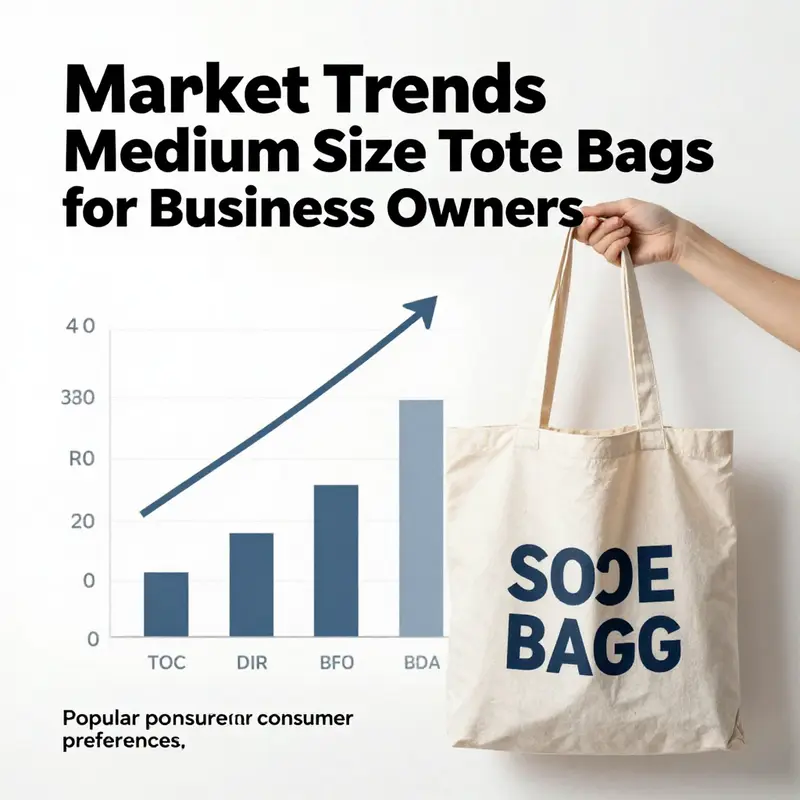
A mid-size tote bag now sits at a precise intersection where daily practicality meets design intention. In early 2026, market analysis reframes this category not as a mere size choice but as a living solution that adapts to how people move, work, and live their routines. The tote’s appeal rests on its ability to do more with less—the capacity to carry a laptop, a notebook, a water bottle, and personal items without becoming bulky or unwieldy. This evolving stance acknowledges that people want products that synchronize with an active day, a flexible schedule, and a sense of responsibility toward the world around them. The mid-size tote, in this light, emerges as a portable workspace, a personal organizer, and a subtle style statement that can travel from office corridors to weekend markets with ease. The category’s trajectory speaks to a broader insistence on function harmonized with form, and it invites brands to tell more transparent stories about how a bag is built, how it wears, and how long it is expected to last.
Size and proportion have moved beyond rigid measurements toward a more body-conscious approach. Consumers expect a bag that sits comfortably against the body, that remains accessible in crowded spaces, and that opens smoothly to reveal carefully arranged interiors. The typical capacity for mid-size totes is now framed as a range of roughly 12 to 18 liters, a band that comfortably accommodates a 13-inch laptop, documents, a refillable bottle, basic cosmetics, and a compact umbrella or charger. This practical standard translates into a simple test: compare the bag’s footprint against the size of a commonly used device to ensure it can cradle essentials without overwhelming the wearer’s silhouette. The implication is clear—space should feel generous without creating an impression of excess; the bag should enhance everyday choreography rather than dictate it. This shift is echoed in industry guidance that encourages shoppers to simulate real-life use, recognizing that the right proportion supports a smoother, more confident stride through a day that moves quickly from task to task.
Materials have become a central axis of value, with sustainability no longer a niche attribute but a baseline expectation. The trend toward environmentally friendly fibers is paired with a demand for performance: fabrics that resist moisture, resist stains, and resist wear while remaining light enough to avoid fatigue. Recycled polyester blends, responsibly sourced cotton, regenerated nylons, and plant-derived fibers are converging to form a durable, adaptable shell. The inner life of the bag—linings, zippers, and seams—has followed suit, with coatings and finishes designed to keep moisture and dirt at bay while remaining repairable and breathable. A growing emphasis on modular interiors reflects a desire to extend a bag’s usefulness: removable pouches, adjustable dividers, and interchangeable organizers transform a single tote into a family of configurations, reducing the need to own multiple bags. In this ecosystem, the idea of repairability takes hold, with customers valuing products that can be refreshed rather than discarded as soon as a stitch loosens or a zipper wears. The result is a durable everyday companion that respects resources and supports longer lifecycles rather than short-term novelty.
The design language that guides mid-size totes mirrors this pragmatic yet expressive shift. Minimalism remains a dominant force, with clean lines, quiet silhouettes, and restrained color stories that work across contexts—from formal work environments to casual weekend outings. The color spectrum leans toward neutrals—creams, beiges, stone grays, and deep blues—while the materials and textures introduce a tactile appeal that elevates the bag beyond utilitarianism. Subtle accents—hand-finished stitching, matte hardware, and carefully chosen textures—offer moments of craft without shouting branding. In parallel, some collections experiment with sculpted handles, curved edges, and ergonomic grips that improve comfort during long carries. These careful design choices create a versatile canvas that can adapt to changing outfits and changing places, reinforcing the tote’s role as a dependable daily partner.
Technology and smart functionality are evolving the mid-size tote from a carryall into a curated lifestyle tool. While the core is still about storage and ease, a growing subset of offerings integrates features that support modern rhythms without adding clutter. We see pockets and compartments reimagined as modular, removable, or reconfigurable elements. Wireless charging pads tucked into a base panel enable convenient power top-ups for phones or wireless earbuds at a cafe or in transit. RFID-blocking layers help shield sensitive cards in crowded environments. Interchangeable inner pouches and dividers allow the bag to switch between professional, gym, and travel modes with minimal fuss. Reflective elements enhance visibility during evening commutes, and protective sleeves shield laptops or tablets from jostling. These innovations add value by increasing efficiency, protecting contents, and delivering a sense of security, all while preserving the bag’s understated elegance. The result is a mid-size tote that feels like a thoughtful companion rather than a gadget-laden accessory, a product that blends everyday practicality with a touch of forward-thinking technology.
From a market perspective, the mid-size tote sits within a broader expansion of tote categories that prioritize long-term utility and responsible production. Canvas totes continue to secure a solid foothold due to their durability, ease of maintenance, and timeless appeal, while the upper end of the market leans toward refined fabrics and meticulous detailing that signal lasting quality. Consumer purchasing behavior now favors the combination of capacity, durability, and ethical sourcing, with many buyers seeking clear, verifiable information about where materials come from and how a bag is made. The channels that carry mid-size totes reflect this demand—multi-brand retailers and direct-to-consumer platforms alike emphasize product stories that connect environmental claims with tangible performance. In this dual dynamic, manufacturers and retailers are driven to balance premium options with accessible, durable basics, enabling a wider range of consumers to find a mid-size tote that fits their life and budget. The canvas-versus-premium continuum is less about a single trend than a spectrum of choices that together support a resilient, adaptable category capable of serving students, professionals, travelers, and everyday commuters across diverse settings.
Beyond the technical and financial aspects, consumer values are reshaping how mid-size totes are perceived and purchased. People increasingly seek transparency—clear information about materials, manufacturing practices, and end-of-life options. The idea that a bag should be repairable and easy to care for resonates with buyers who want products that stay out of landfills longer and travel farther with fewer replacements. This mindset elevates conversations about care instructions, fabric certifications, and repair services from afterthoughts to essential buying criteria. The tote, once a simple vessel for belongings, becomes a lifestyle choice that signals a user’s commitment to practical sustainability and mindful consumption. It is this blend of honest storytelling, durable design, and adaptable utility that keeps mid-size totes relevant in a marketplace crowded with fleeting trends.
For brands navigating this evolving landscape, there is a clear blueprint: invest in precise sizing that aligns with real-life tasks; select materials that pair sustainable credentials with rugged performance; pursue a design language that is both quiet and memorable; and embed flexible features that support shifting routines without adding complexity. The real value emerges when a bag offers a modular interior system, a robust yet light exterior, and a hardware set that endures daily handling. In practice, this means developing products that can be repaired, updated, or reconfigured as life changes—an approach that amplifies lifecycle value and reduces waste while sustaining a sense of refined, understated aesthetic. Such convergence—the alignment of fit, function, and ethics—signals a future in which mid-size totes are less about carrying capacity and more about carrying carefully curated daily lives.
As readers explore this landscape, a concise, well-curated resource can help translate trend data into practical decisions. It highlights common capacities and use cases, while offering tips for testing fit and organization at home. For readers seeking a clear overview of how mid-size totes have evolved and what to expect from current lines, a dedicated catalog-style page explains the practicalities of size, structure, and performance. You can explore a resource that aggregates mid-size options and highlights how different constructions translate into daily usability: medium-size-tote.
Viewed through the lens of ongoing market developments, these signals point to a mid-size tote category that remains indispensable yet increasingly sophisticated. The balance of form and function, the integrity of materials, the quiet confidence of minimalist design, and the promise of modular, smart features together chart a path forward. The tote becomes more than a carrier; it is a reflection of how life moves, how work is organized, and how daily rituals are supported by thoughtfully engineered objects. In this light, the market trends for medium-size totes are less about chasing novelty and more about sustaining a dependable everyday toolkit that can adapt as life evolves. The trajectory is clear: mid-size totes will continue to redefine what it means to carry, to protect, and to present one’s essentials with composure and purpose.
External Trend Reference: https://www.fashionnetwork.com/insights/trending-in-2025-oversized-tote-bags-or-mini-crossbody-purses/
The Balanced Carry: How Medium-Sized Tote Bags Ground Office Life, Travel, and Everyday Style
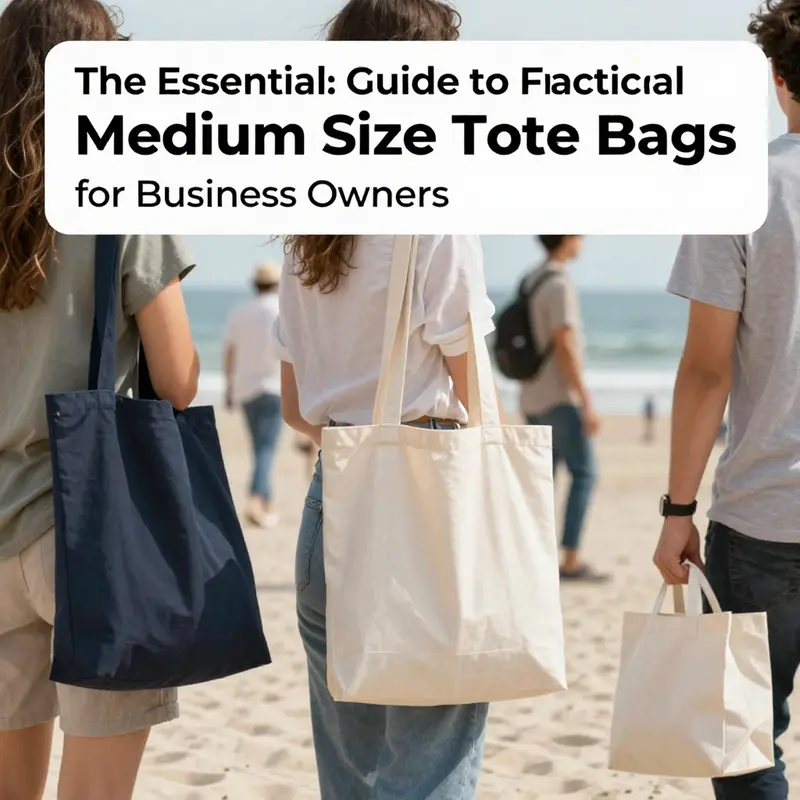
A medium-sized tote bag sits at a practical crossroads in a modern wardrobe. It’s not so large that it swallows every step you take, yet it’s not so compact that the essentials must be left behind. This size fits between the nimble daypack and the cavernous tote, offering a balanced volume that supports daily routines without inviting excess weight. In practice, that balance translates into a tote that can cradle a laptop, notebooks, a water bottle, a change of clothes, and a range of personal items, all while preserving a clean silhouette and comfortable carry. The most successful medium totes feel almost intuitive: they provide structure that guides what you bring, rather than encouraging you to overpack. The dimensions that typify this category—roughly 12 to 16 inches in width and about 5 to 7 inches in depth—create a space that feels generous but not unwieldy. They offer enough interior organization to keep smaller items tidy while still allowing you to shift a bag from a work desk to a social outing in moments. This is precisely why many urban professionals gravitate toward this size; it respects their need for both presence and portability, a quality that resonates in city life where every ounce and every second count.
That practical equilibrium begins with thoughtful construction. A well-made medium tote tends to maintain its shape under load, with reinforced sides that resist sagging as you fill it for the day. When a bag can hold a laptop, a notebook, and a water bottle without collapsing inward, it complements rather than competes with the wearer’s posture and stride. Inside, a padded compartment for electronics is more than a luxury; it’s a practical safeguard that reduces the risk of impact during transit. In an era when many people work remotely, the ability to slide a light, foldable jacket into the bag, or slip in a spare shirt for an after-work obligation, becomes a clear advantage. A tote that can accommodate a 13-inch laptop and still offer room for a few daily essentials proves its value not in moments of extreme need, but in the small, repeated decisions of everyday life.
The materials and constructions chosen for medium totes reflect a similar discipline. Durable canvas remains a mainstay for those who prize longevity and easy maintenance. Soft fabrics such as corduroy or textiles with a refined texture introduce a warmth and tactility that can soften a professional look, enabling the bag to feel both approachable and refined. For those who follow ethical or vegan principles, packs made from responsibly sourced or synthetic alternatives offer a clean, modern aesthetic without sacrificing durability. The choice of material often signals a balance between practicality and personality: canvas communicates rugged everyday utility, while smoother surfaces aligned with vegan or synthetic leathers lean toward a more polished, versatile image. In all cases, the aim is a bag that ages well, developing a pleasing patina or character over time rather than showing obvious signs of wear after a single season.
Beyond materials, the interior layout matters as much as outer design. The best medium totes feature a few simple, purpose-driven pockets that help you locate items quickly and reduce the rummaging that turns a routine errand into a hunt. An interior zip pocket or a small, dedicated tablet or phone sleeve keeps intimate items secure and easy to reach. A separate water bottle pocket—sometimes on the outside—can be a real convenience, freeing up interior space for documents, notebooks, or a lightweight sweater. It’s the kind of detail that transforms a bag from a mere container into a practical partner for daily life. If you carry chargers, cables, or small accessories, a few organized compartments can keep cords from tangling and protect delicate devices. Even the handles deserve attention: reinforced, stitched straps distribute weight more evenly across the shoulder and palm, reducing fatigue during long days of meetings, commuting, or museum-hopping after work.
In the broader arc of design and use, medium totes deliver a kind of versatility that adapts across contexts. In the office, they project professionalism without rigidity. The structured silhouette maintains a composed line under a blazer or a dress shirt, while the interior pockets accommodate essentials—keys, wallet, planner, and pens—so that nothing feels scattered. The tote’s profile remains sleek enough to slide under a desk or onto the backseat without becoming a burden, a feature many who commute on foot or by public transit find reassuring. When the workday ends and the city lights come on, the same bag transitions to leisure or social settings with ease. The same size that once bore a laptop can now carry a compact camera, a guidebook, or a lightweight gym outfit. In this way, the medium tote becomes a single, reliable companion for a life that often moves between several roles in a single day.
The travel dimension of medium totes should not be overlooked. For weekend trips or quick flights, their measured capacity makes them a sensible alternative to bulkier carry-ons. They can slip into overhead bins or tuck beneath seats, and their exterior pockets can be staged for quick access to boarding passes, passports, or snacks. The ability to pack clothing, toiletries, and a few purchases without overpacking is a particular asset for travelers who value efficiency and ease. The bag’s weight when empty is not a trivial concern; a lighter structure helps ensure you don’t start your journey with fatigue built into the bag itself. Yet the tote’s sturdiness remains essential, especially when it encounters the bumps and shifts of travel. This is where the choice of hardware and stitching quality matters most: secure zips, durable rivets, and tight gutting all contribute to a bag that endures more than a single season of wear.
Another facet worth noting is how medium totes fit into the broader fashion ecosystem. They offer a visually versatile canvas that can harmonize with casual staples—jeans, tees, and sneakers—while still aligning with a more tailored, business-casual aesthetic. The color story often follows a practical rather than excessive path: natural tones and muted hues that weather less conspicuously than brighter shades. This steadiness makes the bag a reliable element in a rotating wardrobe, where the aim is to reduce decision fatigue and maximize outfit coherence across a week’s worth of events. The result is not merely a bag that holds items; it’s a piece that helps the wearer navigate a busy schedule with a calm, organized certainty.
In discussing the functionality of medium totes, it is impossible to ignore the evolving expectations of sustainability. Eco-conscious choices influence materials, production methods, and even the cadence of product cycles in the fashion landscape. Reusable tote designs—constructed with durable fabrics and reinforced seams—are particularly well-suited for daily errands, shopping trips, and gym visits. As people seek to reduce single-use bags and minimize waste, the appeal of a mid-sized tote grows: enough capacity to replace multiple bags on many occasions, yet compact enough to avoid the overextension that rarely serves long-term practicality. An everyday tote that doubles as a shopping companion reinforces a lifestyle in which purposeful consumption and durable design go hand in hand.
The practical and stylistic dimensions of medium-sized totes create a narrative of everyday reliability. They are not the first choice for those who crave maximal capacity or the bold drama of oversized silhouettes, nor are they the most minimal option for those who carry only a phone and wallet. Rather, they occupy a thoughtful middle ground that supports a wide spectrum of routines with poise. The result is a bag that encourages organization, reduces daily friction, and subtly elevates a wearer’s presence. In essence, the medium tote anchors a balanced approach to daily life—a balanced carry that can handle modern work, time between meetings, city errands, and weekend getaways with equal efficiency. For readers seeking a concise reference on the scope and utility of this size, the medium-size tote overview offers a helpful encapsulation of typical dimensions, capacities, and design considerations that have resonated with users in recent seasons.
To explore a current snapshot of how these bags are framed within a broader product landscape and to compare general features with what you might be seeking, a quick glance at the medium-size tote overview can be informative. It presents a concise map of what this size can do, what materials are most common, and how interior organization tends to be structured. As you consider your own needs—whether you’re a commuter, a traveler, or someone who moves fluidly between work and social life—the appeal of a well-made medium tote becomes clear. You’re choosing a tool that helps you keep what matters within reach, while preserving the silhouette you want to project. And in a world where every day carries a new sequence of tasks, a well-chosen medium tote offers a dependable rhythm—an anchor for the way you navigate your routine.
Internal link for further reading: Medium-size tote overview.
External resource for deeper context: https://www.toryburch.com/womens-tote-bags/medium-tote-bags.html
null
null
Final thoughts
Incorporating medium-sized tote bags into your business model presents a multi-faceted opportunity to improve both brand image and customer satisfaction. By understanding their design features, material choices, market trends, practical uses, and sustainability practices, business owners can make strategic decisions that not only cater to customer needs but also align with contemporary values. As a versatile tool, medium-sized tote bags can serve as practical solutions and powerful marketing assets, driving your business forward.