
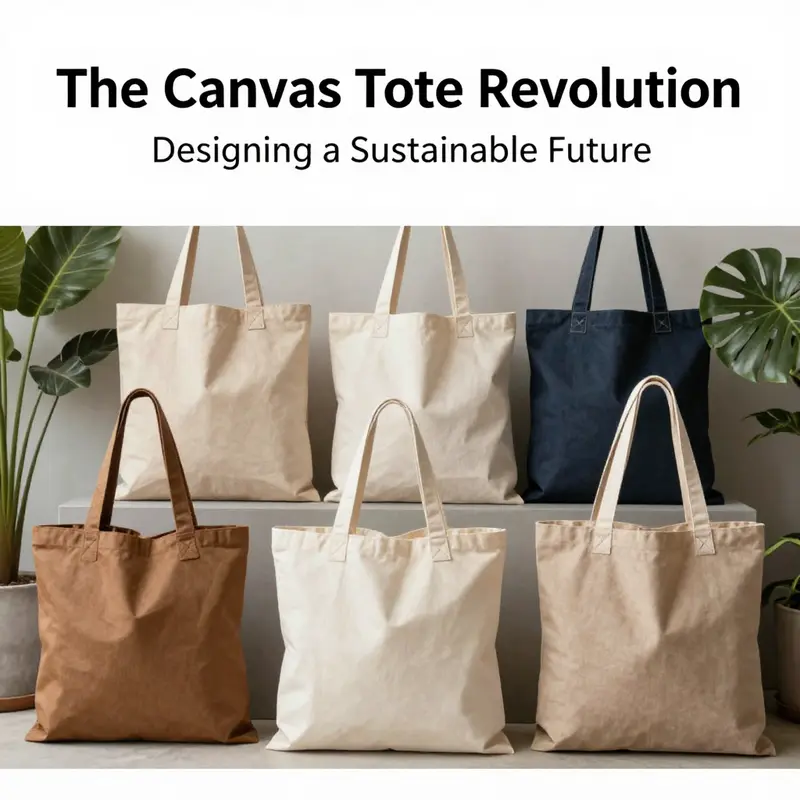
The canvas tote bag has transcended its traditional utility role to become a stylish emblem of sustainability and mindful consumption. With businesses increasingly keen on aligning their products with consumer values, understanding the evolving trends and consumer preferences in canvas tote bags is essential. This article delves into the design trends that define trendy canvas tote bags, the material innovations fueling their popularity, the critical importance of sustainability and ethical production, the market dynamics shaping this sector, and the consumer preferences driving purchases. Each chapter offers insights aimed at helping business owners navigate this vibrant market landscape effectively.
Quiet Craft, Bold Impact: The 2026 Rise of Minimalist and Sustainable Canvas Tote Bags
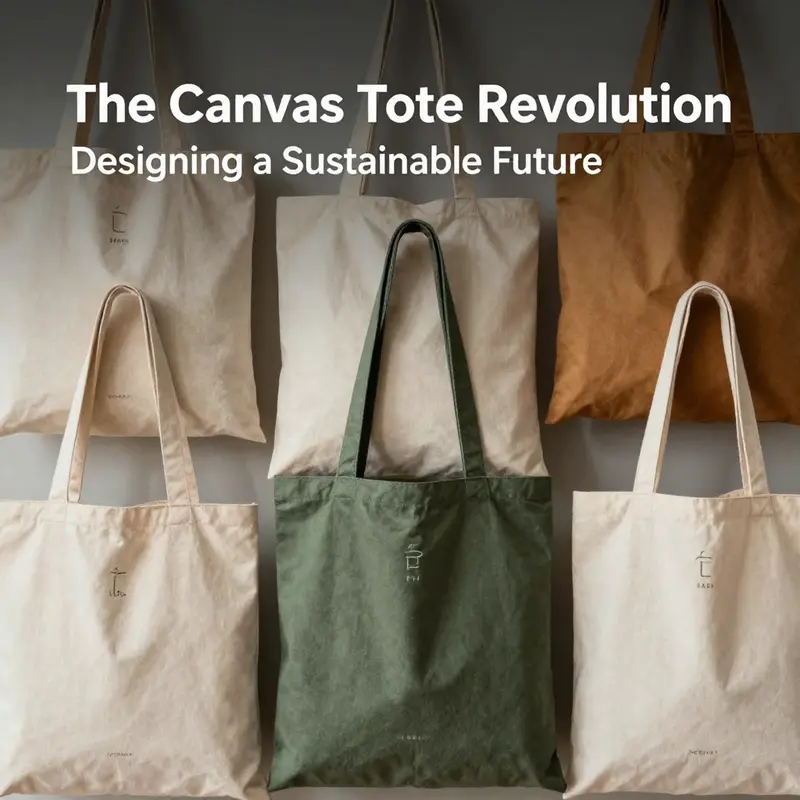
The design conversations surrounding trendy canvas tote bags in 2026 spin a single thread through diverse textures: a deliberate restraint that elevates utility into a refined form, paired with a steadfast commitment to sustainability. This convergence mirrors broader cultural shifts toward conscious consumption, where the act of carrying a tote becomes more than a mere gesture of transport. It is a small, portable statement about values. In this landscape, minimalist silhouettes are not about austerity but about longevity. Totes favor quiet lines and natural materials, inviting a closer look at texture, weight, and finish rather than loud branding or overt ornament. The trend aligns with a growing appetite for slow fashion, where durability is not an afterthought but a primary measure of quality. The 2024 Global Fashion Sustainability Report places durability in the spotlight, noting that a substantial majority of consumers now consider it a key factor when choosing accessories. That shift redefines what makes a tote timeless: not just how it looks today, but how it ages, wears, and supports daily life over years rather than seasons. This philosophy threads through every choice a designer makes, from the weight of the canvas to the subtle placement of a hint of typography near a bag’s edge.
The minimal aesthetic owes much to Scandinavian design sensibilities, which prize function, craft, and a natural palette. In tote form, these principles translate into clean lines, neutral tones, and negative space that invites touch and interaction rather than shout. Color palettes settle into earthy oats, moss greens, and ochres that echo outdoor textures and botanical hues. In practice, a minimalist tote rarely sports a bold logo. Instead, it leans on small, message-driven phrases that feel almost like a whisper when set against the natural canvas. The effect is achieved through careful typography, where sans-serif fonts and restrained spacing create a visual calm that invites contemplation. When such messages appear, they often land near the bag’s edge or corner, using negative space to punctuate meaning without distracting from the form. The result is an accessory that communicates values as quietly as it carries daily essentials, turning the act of possession into a deliberate, almost meditative practice.
Alongside this restraint, a new openness to botanical and nature-inspired motifs has reemerged. Bold florals and hand-drawn, watercolor-like plant illustrations bring an artistic warmth to the minimalist ideal. These patterns are not mere ornament; they are a visual language about ecology and care. They appear in earthy greens, warm browns, and the lighter tones of sunlit leaves, often rendered with a loose, organic motion that feels like a sketch rather than a print. The effect is contemporary and wearable, suitable for the urban professional who wants to announce a commitment to the environment without shouting. The botanical motifs can unfold across a bag’s surface in a way that feels both intimate and expansive, as if the tote carries a small ecosystem with it. In this pairing of restraint and expressive flora, the tote becomes a canvas for personal storytelling, a portable field notebook that records everyday acts of kindness toward the planet.
Sustainability remains the backbone of 2026’s tote conversation. Brands are increasingly transparent about materials and origins, and progress is moving beyond rhetoric toward verifiable practice. Organic cotton remains a staple, valued for its lower environmental footprint compared to conventional cotton. Upcycled fabrics offer a second life to materials that would otherwise contribute waste, while plant-based dyes provide color without relying on petrochemical processes. The concept of sustainable craftsmanship extends to leather alternatives, such as vegetable-tanned options and even mushroom-based materials that carry the allure of novelty without compromising ethics. This shift reflects a broader consumer demand for traceability and accountability, where a bag’s story — from field to factory to finish — can be traced and trusted. Consumers are willing to invest in items built to endure, and the production communities supporting these goods are increasingly held to international environmental standards.
The visual vocabulary of canvas totes is broadening in other compelling directions as well. All-over prints and bold color blocking introduce a sense of summer energy and playful versatility to an otherwise restrained silhouette. Designers are experimenting with full-surface patterns that read like small canvases themselves, ranging from abstract compositions to intricate floral arrangements. The result is a dynamic tension between quiet exterior lines and vibrant internal patterns, making a tote that can cross from weekday work to weekend leisure without losing its core identity. When color blocking appears, it often pairs citrus yellows with cobalt blues or coral splashes against crisp natural canvas. This approach injects a sense of travel-ready vitality, echoing resort-inspired aesthetics while staying grounded in the practical demands of daily use.
Functionality continues to evolve in meaningful ways. Lightweight, breathable fibers such as seagrass, jute, and woven raffia are gaining traction for summer collections, celebrated for their tactile appeal and refreshing airiness. These materials bring an organic feel to the bag while supporting airflow and comfort in warmer weather. They also pair well with the minimalist backbone, offering texture without adding bulk or weight. In addition, designers are rethinking structure and organization within the tote. Hidden pockets, discreet sleeve sleeves, and single-compact closures work together to keep essentials secure without amplifying the bag’s silhouette. The aim is to create a tote that feels effortless to carry and easy to care for, even in busy, urban contexts where the tote is cradled between meetings, coffee runs, and errands.
Cultural relevance underpins the current appeal of canvas totes. As industry voices emphasize, trendiness now includes a social conscience, and consumers gravitate toward pieces that reflect values they want to embody. The intersection of style and responsibility is no longer a niche concern but a mainstream expectation. This is not simply about aesthetics or price; it is about alignment with broader worldviews, including a preference for durable goods, ethical production, and minimal waste. The practical implication is that a tote is valued less as a seasonal accessory and more as a long- term companion that supports daily rituals while signaling a commitment to responsible consumption. A fashion analyst from StyleMetrics puts it plainly: trendiness today is inseparable from sustainability. The claim is not that style and ethics must compete, but that they reinforce one another, producing products that feel both current and enduring.
The cross-border dimension of production is also shaping the canvas tote narrative. Bangladesh has emerged as a global leader in producing high-quality, ethically made canvas totes. The supply chain in this region has matured to offer a diverse range of styles, from daily-use silhouettes to promotional carry-alls, all while adopting processes that meet international environmental standards. This development reflects a broader shift toward responsible sourcing and humane labor practices, balancing durability and aesthetics with transparency. The story of these totes is not about a single country’s manufacture but about a network of craft communities, designers, and mills that collectively elevate quality and ethics. Such ecosystems enable designers to experiment with new textures and trims — recycled canvas, organic materials, and plant-based dyes — while ensuring that the final product remains accessible and practical for a broad audience.
For buyers exploring the full spectrum of options, the market now accommodates a diverse set of needs without compromising the core values described above. A modern tote is expected to carry electronics, water bottles, and everyday paraphernalia with ease, yet remain comfortable to wear and easy to care for. The available silhouettes stretch from compact daily carriers to larger, more versatile designs, each with a quiet, confident presence. This is where internal selection becomes important: shoppers seek items that blend seamlessly with their wardrobe and daily routines, offering enough variation to suit different contexts while maintaining the overarching aesthetic of understated elegance and responsible production. For readers seeking a practical entry point into this broader universe, a curated range of options exists in the market that demonstrates how form and function can coexist in harmony. A representative example can be found in the category of women’s canvas tote bags, which showcases the balance of size, pocketing, and material quality in ways that are both accessible and aspirational. women’s canvas tote bags.
The pace of trend evolution remains steady, driven by designers who treat tote bags as portable statements rather than mere accessories. Platforms dedicated to fashion reporting offer a steady stream of insights about recurring motifs across collections, reinforcing the sense that today’s tote design is less about chasing novelty and more about refining a durable, expressive instrument for everyday life. In this sense, the tote becomes a microcosm of the fashion industry itself: iterative, responsible, and deeply connected to the rhythms of the environment and economy. Those who study the field remind us that trendiness is not a moment but a posture toward life; a stance that favors intentional choices, ethical sourcing, and the kinds of tactile experiences that only a well-made bag can provide. Real-time industry commentary underscores this narrative, inviting readers to see beyond surface aesthetics to the values that fuel contemporary design. External perspectives from leading fashion platforms corroborate the patterns described here, offering a larger frame for what makes a canvas tote both current and enduring.
In sum, the 2026 design story for trendy canvas tote bags centers on a harmonious blend of minimalism, botanical warmth, sustainable craft, and functional intelligence. It is a story about restraint that invites personal expression, about materials chosen for longevity rather than momentary appeal, and about production practices that respect people and planet. The result is a tote that feels at once simple and sophisticated — a versatile companion whose value grows with time and use. This is not a transient trend but a crafted approach to everyday carry, one that honors the past while building toward a more thoughtful future. For readers who want to explore further, industry resources and trend forecasts continue to illuminate how these principles translate into tangible products across the market, helping shoppers discern quality, ethics, and style in equal measure. External resource: https://www.vogue.com/fashion/.
Earth-Tone Tech: The Material Revolution Behind Trendy Canvas Tote Bags
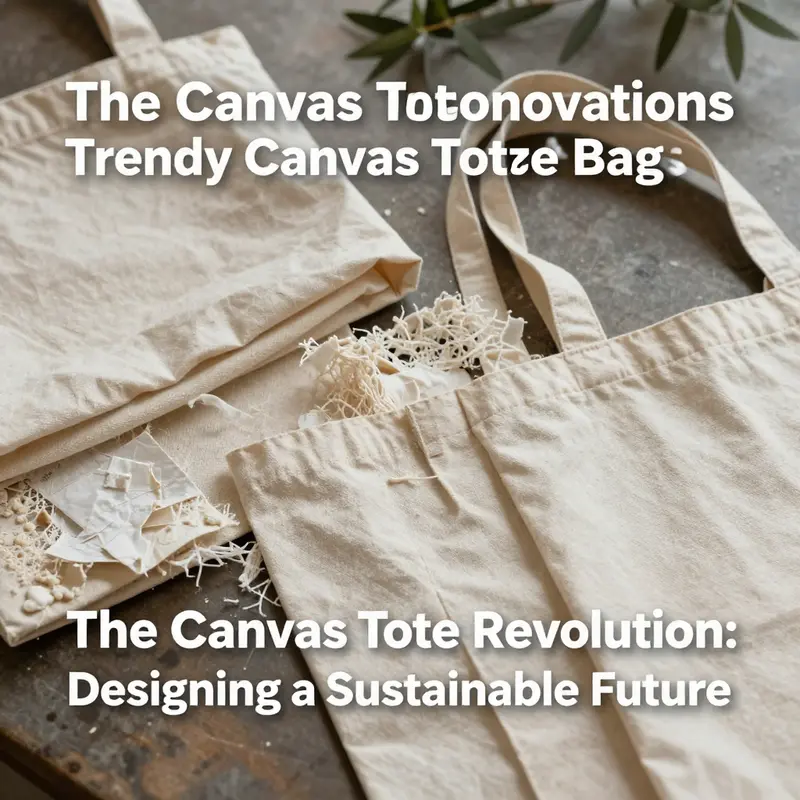
A quiet revolution has taken hold in the language of canvas totes. The bags that once wore a rough-hewn charm with visible seams and weighty textures are now speaking in a softer, more deliberate voice. Material innovations have become the backbone of this shift, shaping not only how a tote looks but how it behaves in everyday life. The new generation of totes blends sustainability with durability, simplicity with nuance, and practicality with personal expression. In this evolving story, the fabric is no longer a mere backdrop; it is the first signal of a bag’s values. The color stories—earthy oat, moss green, and ochre—trace a lineage back to the land, while the surface feel and weight tell a parallel tale of care and responsibility. Consumers increasingly expect materials to be honest, traceable, and kind to the planet, and brands are responding with a suite of innovations that make eco-conscious choices feel natural rather than compromised. The result is a canvas tote that carries more than items; it carries a narrative about how things are made and why it matters.
Eco-conscious fabrics sit at the center of this material story. Unbleached, organic, or recycled cotton fibers reduce environmental impact by limiting chemical use, conserving water, and supporting closed-loop production cycles. These fibers often yield a surface with a warmer, more lived-in texture that invites touch and patina, qualities that shoppers increasingly associate with longevity and character. The visual palette moves in step with these fibers, favoring restrained tones that harmonize with the natural texture rather than shouting through high contrast. Crucially, the credibility of these choices hinges on certification and transparency. When a tote proves its fabric fibers are certified by recognized sustainability standards, the message travels beyond aesthetics and into a verifiable supply chain. This is why the field is embracing not just green materials, but verifiable green credentials that reassure buyers about what happens at every stage of production. The color stories that emerge from these fabrics feel rooted and timeless, leaning toward oat, moss green, and ochre rather than synthetic brights.
Yet fiber choice is only part of the equation. Finishing treatments have waded from the fringe to the mainstream, delivering performance without compromising the fabric’s natural aura. Waterproof and weather-resistant coatings have progressed from experimental add-ons to standard offerings. Modern coatings can be breathable, flexible, and thin enough to preserve the soft hand of canvas, yet robust enough to resist moisture, stains, and abrasion. This matters in urban environments where sudden rain, spilled coffees, or crowded commutes can challenge a tote’s resilience. A well-applied treatment keeps the bag from sagging, helps maintain its silhouette, and preserves its color under repeated exposure to damp conditions. Importantly, these coatings are designed to be unobtrusive—so the bag still feels like canvas at first touch and looks like a product of thoughtful engineering rather than a novelty with a plastic veneer.
For buyers who want to understand the full spectrum of options within this category, the study of women’s canvas tote bags offers a revealing cross-section of how form and function cohere. The same underlying fabric and finish logic can yield a wide array of silhouettes, reinforcing the idea that material choice need not be a compromise between beauty and practicality. In this vein, the material approach often favors restrained branding. Subtle typography, if present, tends to be clean and sans-serif, aligned with the quiet aesthetic that defines contemporary tote design. This restraint allows the material’s qualities—the grain of the cotton, the matte sheen of the coating, and the warmth of the color—to carry the emotional weight of the product. The result is a bag that looks—and feels—authentically considered, a quiet statement that values longevity and a humane footprint over fleeting trendiness.
As designers push texture beyond simple weave, hybrid materials begin to play a more prominent role. Canvas serves as a robust backbone, but blending it with synthetic fibers or integrating transparent panels introduces a futuristic edge that remains grounded in practicality. Hybrid constructions can improve abrasion resistance, helping a tote stand up to daily use, while potentially reducing overall weight so it sits lighter on the shoulder when loaded with books, gym gear, or groceries. Transparent elements, when used judiciously, offer a flirtation with modernity without erasing the bag’s core identity. The visual balance between the familiar and the novel becomes a signature of the era: a tote that satisfies the desire for a durable, serviceable everyday item and also rewards closer inspection with a touch of architectural intrigue.
Alongside these material strategies, textured finishes and sustainable embellishments add tactile and visual depth without tipping into ostentation. Macramé details, pom-poms crafted from recycled yarn, and embroidery that uses low-impact dyes can elevate a simple silhouette into something personal and expressive. The key is restraint and intention: embellishments should reinforce the bag’s practicality and longevity rather than chase a trend that will fade. For many buyers, these embellishments build a narrative about craft and care, signaling a willingness to invest in items that gain character as they age. This approach resonates strongly with Millennials and Gen Z, who favor pieces that tell a story and reward careful ownership over time rather than impulsive acquisition.
Material choices also intersect with ergonomics and everyday convenience. Adjustable crossbody straps—crafted from recycled polyester or vegan leather—offer hands-free wear and improve weight distribution. This is particularly meaningful for commuters and travelers who move through crowded spaces, switch between different activities, or carry a laptop, water bottle, and groceries all in one bag. The ability to reconfigure a bag’s strap length or switch to a shorter shoulder strap can transform how a tote feels and performs, extending its usefulness across a wider range of scenarios. The inclusion of such features is not merely about versatility; it reinforces responsible design by enabling a single tote to function across multiple roles, reducing the need to purchase multiple bags for different contexts. In this light, the material story becomes a lifestyle statement: sustainability paired with practical, real-world adaptability.
The supply chain context amplifies these design ambitions. Bangladesh has emerged as a key region for producing high-quality, ethically made canvas totes. Manufacturers in this hub often adopt processes that align with international environmental standards, balancing durability and aesthetics with responsible practice. This alignment matters to a generation of shoppers who expect not only beautiful products but honest stories about how they are made. When the materials and the production narrative harmonize, the tote becomes a connector—between home, workplace, and community—rather than a disposable object. It is this alignment that reinforces consumer trust and supports a market where sustainable taste coexists with everyday utility.
The overarching drift toward minimalist silhouettes and earthy palettes further amplifies the importance of material excellence. With branding kept subtle and the logos dialed down, the material and form must carry the bag’s identity. In this ecosystem, the craft behind the fabric, the tactility of the surface, and the thoughtful integration of embellishments coalesce into a sense of refined taste. The material vocabulary—the grain of the cotton, the depth of the dye, the quiet brightness of the finish—becomes the predominant form of expression. This approach does not lean on loud branding to communicate value; it relies on the integrity of the material itself and the quiet confidence of a bag that ages gracefully and acquires a patina that speaks to responsible ownership.
Looking ahead, the material conversation is unlikely to slow. Advances in pigment chemistry, water-based coatings, and low-impact dyeing techniques will expand the palette of acceptable finishes while keeping the environmental footprint in check. Developments in recycled and bio-based fibers promise further improvements in performance and feel, maintaining the natural touch that defines canvas without compromising on resilience. The push toward transparency and traceability will also strengthen consumer trust, as people want to know not only that a bag is beautiful, but that it was produced with care for people and ecosystems alike. In this frame, trendy canvas tote bags become more than accessories; they become a sophisticated platform for expressing a values-driven lifestyle that values simplicity, longevity, and a measured optimism about the future of fashion.
External resource: https://www.alibaba.com/product-detail/Trendy-Waterproof-Canvas-Tote-Bag-with_1600489932799.html?src=ref&spm=a2700.details.a2700.1.1b2a3e1c9e1d5i
Weaving Responsibility into the Trend: Sustainability and Ethical Practice in Canvas Tote Bags
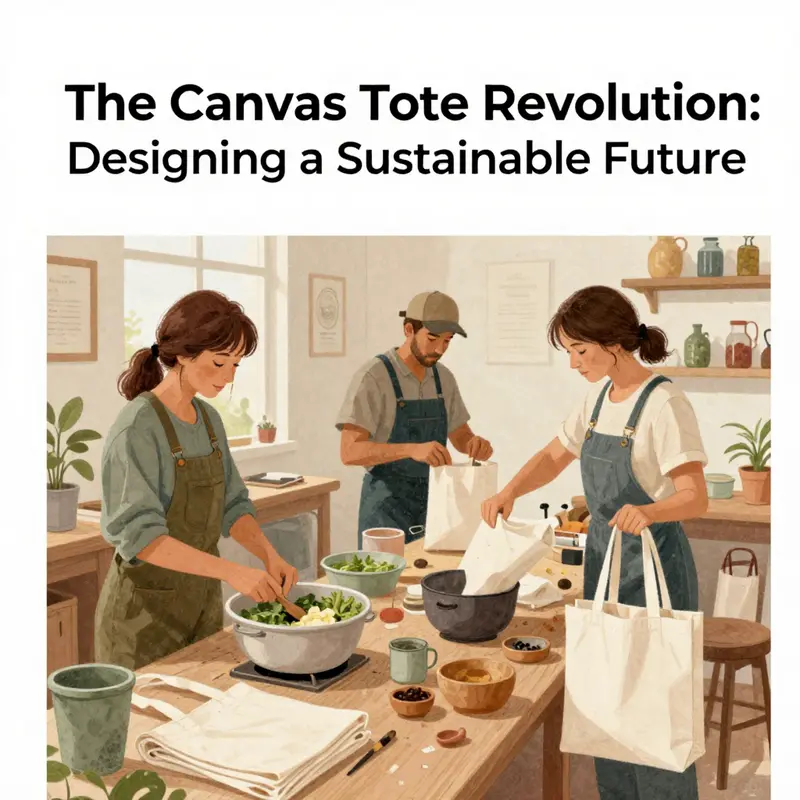
The conversation around trendy canvas tote bags has evolved beyond aesthetics and function. Today, the dialogue ties together design philosophy, material science, and supply chain accountability. The result is a chapter of the story where minimal silhouettes, earthy palettes, and quiet branding meet rigorous questions about how a product travels from seed to storefront to daily use. In this space, sustainability is not a single gesture but a sequence of deliberate choices that shape the bag’s environmental footprint and the people who help bring it to life. As the canvas bag market leans into understated elegance, it also leans into transparency, durability, and long term value. The most compelling bags in this moment are those that perform as daily companions while inviting wearers to think critically about material origins, production conditions, and end of life options. The shift is not about preaching anti-consumption but about extending the life of what we already own and making responsible choices a natural part of style. Material sourcing sits at the heart of this shift. Conventional cotton canvas, though natural, imposes heavy demands on water and land. A kilogram of conventional cotton can require up to twenty thousand liters of water, and its cultivation often relies on pesticides and fertilizers that affect soils and waterways. Organic cotton reduces some chemical exposures, but it remains resource-intensive in land use and labor. Even so, the fashion landscape is increasingly open to alternatives that lower initial impacts. Recycled polyester—often derived from post consumer bottles—appears as a pragmatic option, especially for bags aiming for higher durability and moisture resistance. Studies from the Textile Exchange indicate that rPET uses substantially less energy and generates fewer carbon emissions than virgin polyester, and it can present a lower upfront footprint than cotton canvas when designed for long life. Yet this path is not without tradeoffs. The recycling process itself—sorting, cleaning, melting, extruding—consumes energy and can introduce microplastics if not properly managed. Even when a tote is built to endure, the choice of material invites a lifecycle question: what happens after years of daily use, and how does the bag contribute to, or mitigate, waste and pollution across its years of service? In practice, the best options often come down to a balanced portfolio of materials and a careful eye toward end-of-life management. For some brands, a hybrid approach blends organic cotton or recycled canvas with panels or trims made from recycled polyester, offering a compromise between tactile feel, colorfastness, shape retention, and wash resilience. The design conversation aligns with this material pragmatism. Natural palettes like oat, moss green, and ochre – paired with minimalist typography or subtle nature-inspired motifs – signal a design language that values endurance over trendiness. When a bag is built with clean lines, reinforced stitching, and a durable zipper or closure, it becomes capable of years of use, repair, and even repurposing. Yet durability is not only about stitching or fabric; it’s about the ability to repair, the availability of spare parts, and the willingness of a brand to stand behind its product. A well-made tote that can be repaired rather than discarded aligns with a long-term mindset, reducing waste and reinforcing the idea that style and stewardship can coexist. Ethical production adds another layer of complexity. Many trendy totes are manufactured in developing regions where labor standards fluctuate and where cost pressures can tempt compromises in wages, safety, or oversight. Consumers are increasingly aware of these realities and seek assurances that a bag’s journey through factories respects people as much as the planet. Certifications such as the Global Organic Textile Standard (GOTS), Fair Trade, and B Corp status signal that a brand commits to environmental stewardship and social responsibility across the supply chain. However, certifications are not a panacea; they are signposts that require ongoing verification. The most robust indicators are transparent supply chains, third-party audits, clear supplier codes of conduct, and verifiable claims about wages, hours, and safety protocols. When shoppers connect these dots, they move beyond logos and slogans toward a culture of accountability. In an industry often centered on speed and turnover, sustainable ethics demand time, diligence, and a willingness to invest in suppliers who share a long-term view of value rather than quick margin. Bangladesh, as highlighted in recent industry analysis, has emerged as a global hub for ethically produced canvas totes that balance style with responsibility. Factories in the region offer a spectrum of products—from everyday-use silhouettes to promotional totes—while increasingly adopting processes aligned with international environmental and labor standards. This development matters because geography isn’t only about cost; it’s about ecosystems of accountability. When a factory implements fair wages, safe working conditions, and traceable supply chains, the impact ripples outward-contributing to regional improvements and setting benchmarks for others to follow. Yet readers should approach this topic with nuance. Ethical production is not guaranteed by country of origin alone; it hinges on active enforcement, continuous improvement, and meaningful partnerships between brands and factories. The best outcomes occur where brands insist on responsible sourcing, workers’ voices, and investments in safer facilities, training, and fair scheduling. In the real world, that means catalogs of materials and processes that can be traced, tested, and questioned in a constructive way, rather than promises that rely on labels alone. The discussion of usage frequency ties environmental goals to daily behavior. A widely cited finding from the Danish Environmental Protection Agency remains a touchstone: a cotton canvas tote must be used about 7,100 times to match the global warming potential of a single-use plastic bag, when both are incinerated after use. That figure translates to nearly twenty years of regular reuse for someone who uses a tote as a daily or near-daily companion. By contrast, polypropylene reusable bags reach a break-even point after roughly fifty-two uses. These numbers underscore a practical truth: the environmental payoff of a tote hinges on how often it is used, how long it lasts, and how thoughtfully it is cared for. They also remind us that sustainability is not only about the materials that constitute a bag but about the habits that accompany it. The most eco-conscious tote might still fall short if it is discarded after a brief period of novelty or if it becomes a symbol of planned obsolescence rather than a faithful workhorse. In that sense, the ethical imperative is twofold: design for durability and design for longevity in consumer behavior as well as in fabric and stitching. In ongoing conversations about design and responsibility, the aesthetics of minimalism play a supportive role. Understated branding, clean typography, and softly colored canvases contribute to a timeless look that does not chase every seasonal fad. When a bag’s design stands the test of time, it invites many seasons of use and defers disposal, reducing the overall lifecycle impact. In addition, the inclusion of vegetable-tanned leather accents – when used sparingly and in conjunction with certified leather from responsibly managed hides – can offer a sense of quality and longevity without signaling opulence or wastefulness. The trick is restraint: small, thoughtfully chosen details that won’t date the bag or signal an unnecessary upgrade. The broader design impulse – favoring longevity, repairability, and adaptable styling – aligns with a sustainable ethos that resonates with a growing cohort of buyers who expect meaning as well as utility from their purchases. For many, the bag becomes a quiet canvas of daily life rather than a loud billboard of fast-fashion tenets. Material provenance and production ethics do not exist in a vacuum. Consumers increasingly demand end-to-end narratives: where the fiber was grown, how it was spun, where the fabric was cut, who stitched it, and how the finished product is transported and used. The best brands respond with traceability that can be audited and communicated; the most trusted brands invite consumer inquiry rather than silence. This culture of openness dovetails with the minimalist, nature-inflected design language that characterizes the current tote market. The result is a class of bags that are not merely fashionable but teachable: pieces that invite wearers to reflect on the sources of the materials, the conditions of the people who made them, and the long road toward responsible consumption. When such conversations become part of the shopping experience, the act of choosing a tote becomes a meaningful engagement with values as well as aesthetics. This is not a call to abandon fashion in favor of virtue signaling; it is a call to align taste with responsibility, so that style and integrity advance together. For readers who want to explore practical steps, the path is approachable and incremental. Begin with a framework: seek fabrics with certifications or demonstrable supply-chain transparency, favor durable constructions over disposable trends, and consider the full lifecycle—production, use, and end-of-life management. Look for brands that publish factory lists, wage standards, and environmental performance data. Consider how a bag is built to last: reinforced seams, strong hardware, dependable linings, and the possibility of repair rather than replacement. Ask about colorfastness and finish durability so a bag can stay vibrant without requiring frequent re-dyeing or re-sewing. When it comes to materials, weigh the advantages and trade-offs of organic cotton, recycled canvas, and recycled polyester in light of your personal use: how often you carry the bag, what you typically load into it, and how you plan to care for it. The messages in minimalist typography and nature-inspired motifs can also inform choices. If a design communicates Less Plastic, More Tote or Carry Kindness in a way that aligns with your values, it may serve as a daily reminder of a broader commitment to responsible consumption rather than a mere aesthetic cue. To immerse yourself further in the contemporary patterns shaping this space, you can explore the evolving landscape of tote bags trending. tote bags trending: https://alltotebags.com/tote-bags-trending/ In the end, sustainability and ethical production in trendy canvas tote bags hinge on three interlocking realities: the materials that form the bag, the factories that assemble it, and the cadence of use that brings it to life every day. The most successful products in this era are built not just to endure but to illuminate the complexities of a responsible supply chain. They invite scrutiny without intimidating the shopper, blending clean design with honest disclosure. They recognize that a bag’s value rests not only in how it looks but in how it behaves across seasons and years. The future of the canvas tote rests on durable construction, credible certifications, and a cultural shift toward long-term thinking about resources, labor, and waste. It is a future where minimalist aesthetics and ethical practice are not competing ideals but convergent paths leading to a more thoughtful, better-made commonplace item that travels faithfully with its owner through the chapters of daily life.
The Quiet Power of Minimalist Canvas Totes: Market Dynamics in a Conscious Era
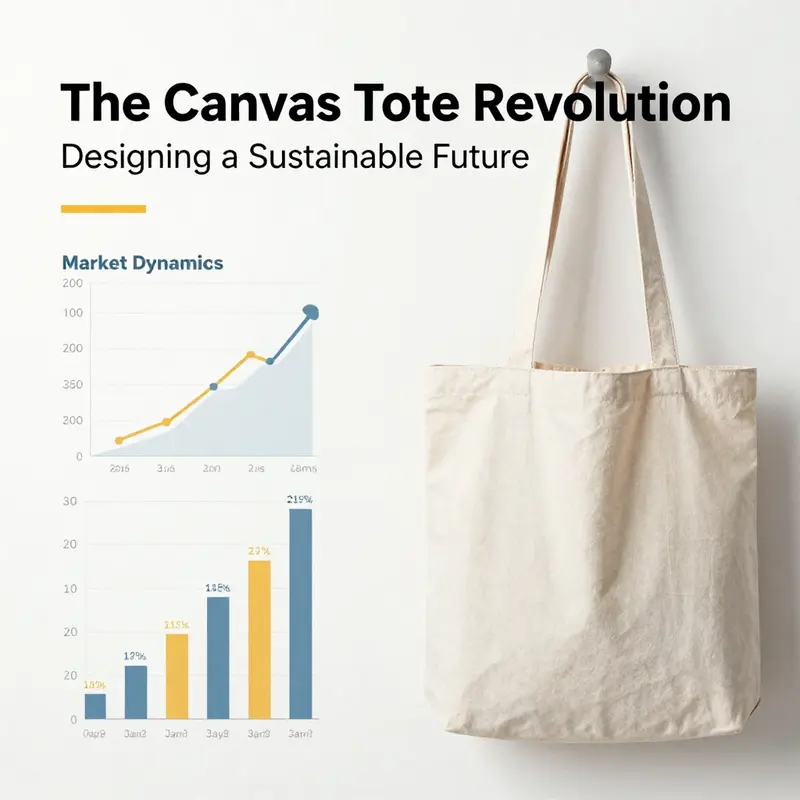
Across the fashion tote landscape, trendy canvas bags in 2026 manifest a rare blend of restraint and meaning. The dominant thread is a return to minimalism that foregrounds utility and quiet confidence over overt branding. This is not mere stylistic chic; it is a calculated response to cultural fatigue with fast fashion and to the growing demand for pieces that can travel through seasons and trends without losing integrity. The core aesthetic is the “less is more” ethos. Silhouettes are streamlined, straps are practical, and surfaces often carry only a pared-down message in clean sans-serif type. Phrases such as “Less Plastic, More Tote” or “Carry Kindness” appear in crisp typography, set against natural canvas in earthy tones. The effect is as much emotional as visual: a clear signal that the wearer values restraint, responsibility, and clarity of purpose. For shoppers looking for a balanced mix of style and substance, these bags offer a mode of self-expression that does not shout but speaks. In design terms, the palette is telling. Hushed oat, moss green, and ochre echo fields, forests, and autumn light. The color system complements the natural, undyed or lightly processed canvas that remains the tactile heart of the category. The aim is tactile honesty: the fibers, the grain, the weight in the hand, and the way the bag wears with daily clothes rather than competing with them. This is the space where minimalism and meaning converge, and where the bag becomes a quiet ambassador of the wearer’s values.
Material choices reflect a more ethical frame of reference. Organic cotton, recycled canvas, and vegetable-tanned leather form the core triad that brands rely on to deliver durability and environmental accountability. The emphasis stretches beyond the look to the life cycle of the product. Transparent sourcing, traceable supply chains, and responsible processing are non-negotiables for many buyers. The shift is not simply about avoiding harmful inputs; it is about demonstrating a consistent commitment to people and the planet from field to finished product. The consumer’s demand for provenance and ethics is no longer a niche concern; it has become a deciding factor in where loyalty lands. The bag’s story, then, is as important as its silhouette.
The social and cultural pull of these choices is reinforced by pattern design. Minimalist typography pairs with natural canvases to create a striking yet understated contrast that keeps the message legible and the silhouette calm. But the mood remains dynamic: a subtle floral or nature-inspired illustration can reintroduce a touch of artful energy without overpowering the clean base. In effect, typography and motif are integrated into a coherent narrative rather than competing signals. The result is a tote that can accompany a commute, a weekend market visit, or a professional meeting, adapting to different contexts with ease.
Global supply realities shape these developments as well. Bangladesh has emerged as a focal point in ethical canvas tote production. Manufacturers there offer a range of styles suitable for daily use and promotional programs, with processes that meet international environmental standards. This alignment with global expectations helps brands maintain quality and reliability while meeting increasingly stringent consumer demands for transparency. The presence of established production ecosystems in such regions provides both scale and accountability, which, in turn, fuels consumer confidence across markets. The broader geographic web—encompassing textile hubs that emphasize sustainable practice—adds layers of reliability as brands align with multiple checks and certifications.
Market momentum backs these shifts with tangible data. By 2035, the canvas tote bag segment is projected to hold about 26.70 percent of the overall tote bag market. That share signals durability and versatility as the core drivers of growth. The broader tote bags market is expected to expand from roughly USD 10.05 billion in 2025 to more than USD 15.33 billion by 2033—a compound annual growth rate around 4.9 percent. These figures reflect a landscape where online channels drive discovery and purchase, yet the realities of sourcing and quality verification persist. Buyers increasingly rely on detailed product information, verified supplier ratings, and the option to request samples before committing. The digital marketplace accelerates exposure to a global audience, but it also amplifies the need for due diligence.
In this market, the power of storytelling cannot be overstated. A bag’s story—its materials, its makers, and the purpose it serves—adds meaning that can elevate a routine object into a trusted companion. The narrative extends beyond fashion into ethics, community, and responsibility. As Lena Park, a fashion industry analyst, observes, trendiness isn’t just about aesthetics—it’s about alignment with cultural values. Consumers want to feel they are part of a movement toward responsible consumption, not merely following a trend. The wallet and the tote become a joined expression of taste and principle, a kind of wearable manifesto that can travel across neighborhoods, workplaces, and travel.
For a shopper exploring options within the existing ecosystem, navigational cues matter as much as aesthetics. A thoughtfully designed tote will pair a durable strap with reinforced seams, a generous interior, and a practical pocket layout that supports daily life—from laptop tablets to grocery runs. The best examples combine form and function with ethical assurance, delivering reliability that families and professionals count on. In practice, this means a supply chain that provides detailed material specifications, third-party certifications when possible, and clear, verifiable codes of conduct. It also means a packaging approach that minimizes waste and communicates a brand’s commitments in accessible, honest language.
Within this dynamic, the actual consumer journey shifts toward greater direct engagement with product stories. Brands that invite dialogue about materials, processing, and social impact tend to win longer-term relationships. The buyer does not just purchase a tote; they invest in a narrative that reflects their own ethos. The shift toward ethical production and transparent sourcing does not merely protect the environment; it strengthens consumer confidence and brand loyalty. The future of trendy canvas tote bags rests on this alignment between aesthetics and ethics, between a durable tool and a vehicle for personal expression.
To illustrate how this translates into the consumer experience, consider the value proposition of a tote designed to be used daily for years. Its aesthetics are deliberate, not flashy. Its performance is measurable—resistant to wear, easy to clean, adaptable to a laptop sleeve or a shopping trip, and generous enough to replace several single-use bags. The likely consumer is an urban professional who travels by bike or transit, who wants a calm, reliable companion that does not clash with tailored attire yet can anchor a casual weekend look. In other words, the bag becomes a workhorse of style and function. The emphasis on quality and longevity aligns with a broader cultural move away from disposable fashion toward enduring pieces that carry personal meaning. This is not nostalgia for a bygone era; it is a forward-looking approach to consumption that integrates design, ethics, and practicality.
For readers seeking a curated sense of what the market can offer, one can explore a range that centers on the minimalist, the ethical, and the practical. The pathway is less about chasing the loudest statement and more about selecting a piece that fits seamlessly into daily routines while carrying a clear and responsible message. When shopping, look for details that reveal the bag’s life story: the type of cotton, the tanning process for any leather components, the treatment applied to the canvas, and the presence of any recycled content. Check the packaging and the supplier information, and demand transparency. These steps are not obstacles; they are the essential tools that empower buyers to vote with their wallets for a more sustainable, thoughtful fashion future. For a quick pointer to a related range of options, see women’s canvas tote bags, which provides a snapshot of contemporary silhouettes and tones that align with the approach described above.
Where this leads in practice is a marketplace that rewards restraint and reliability as much as novelty. The consumer who buys a tote today is not seeking a one-season wonder; they are seeking a dependable partner for many seasons. Brands will respond by refining silhouettes, expanding the repertoire of natural colors, and maintaining a quiet, legible voice in their messaging. The absence of a loud logo becomes a statement of confidence: you do not need to shout to prove your taste or your ethics. In store, online, and in transit, the canvas tote becomes a canvas for daily living—a tool that cannot be outsourced to trend alone. It carries the wearer’s choices just as surely as it carries a laptop, a notebook, or a set of groceries.
This is the essence of the market’s current dynamics: aesthetics that respect the environment, materials that promise longevity, and narratives that affirm consumer values. It is a convergence of style and stewardship that redefines what it means for a bag to be trendy. The trend is less about chasing novelty and more about building a durable, honest relationship between product, person, and planet. It is a subtle revolution within a crowded category, one that speaks with quiet authority and remains relevant long after the next seasonal palette has arrived. In that sense, the canvas tote stands not merely as an accessory but as a practical symbol of mindful living.
External resource: For a broader industry overview and deeper analysis of tote bag dynamics, see Style.com’s trends article on summer style, durability, and tips. https://www.style.com/trends/tote-bag-summer-style-durability-tips
Conscious Style in a Minimalist Era: How Values Shape the Rise of Trendy Canvas Tote Bags
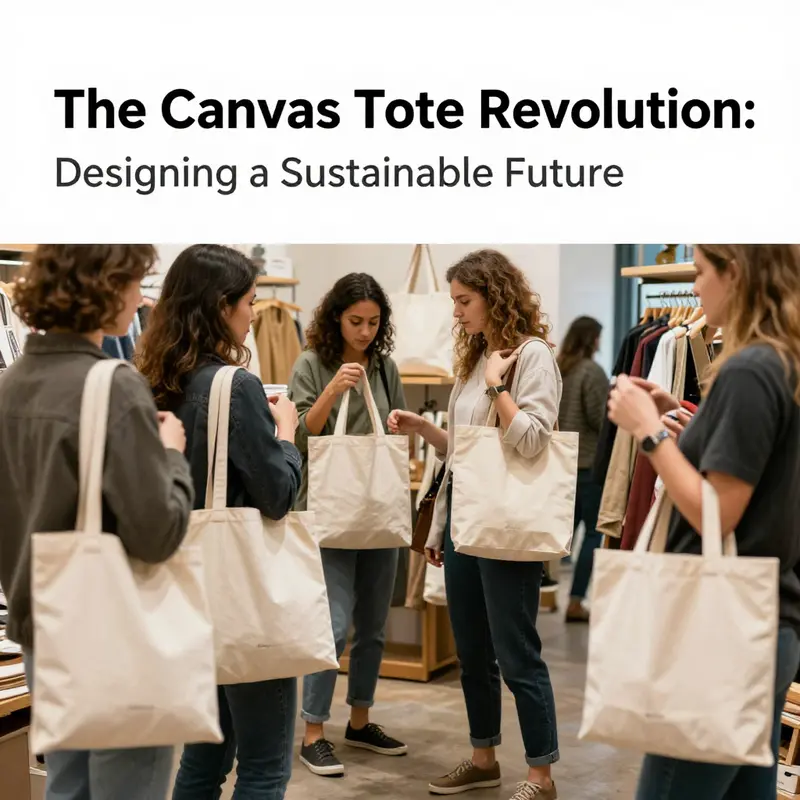
In 2024, the canvas tote has emerged from its humble, utilitarian roots to become a deliberate canvas for personal values. The new market favors quiet, refined silhouettes and a restrained palette that echoes the broader shift toward minimalism in fashion. Think oatmeal, moss green, and ochre, tones that pair effortlessly with a modern wardrobe while signaling timelessness over trendiness. This is not merely a matter of aesthetics; it is a statement about the wearer’s approach to consumption. Shoppers are craving pieces that feel composed and versatile, capable of crossing from a work meeting to a weekend farmers’ market without shouting for attention. The tote’s rise as a staple in the conscious closet rests on its ability to blend simplicity with substance, a balance that makes it both a reliable workhorse and a meaningful accessory. The quiet branding that accompanies these designs further highlights the shift. When logos fade into the background, the bag’s form, material choice, and traceable production story take center stage. In such a landscape, the tote is less a fashion item and more a modest declaration of consistency and care.
Material choice sits at the heart of this evolution. Consumers are increasingly aware that fabrics carry stories beyond their texture and color. Organic cotton and recycled canvas have moved from niche options to standard expectations for many buyers. Vegetable-tanned leather may appear in a restrained, considered way—used not to shout luxury but to add durability and longevity without sacrificing ethics. The demand for transparent sourcing and fair labor practices has nudged brands toward certifications and traceability that can be verified by independent observers. In a climate where shoppers want to understand a bag’s journey from fiber to finished product, Bangladesh has become a notable hub for ethically produced canvas totes. The region’s manufacturers are celebrated for offering a range of styles—from everyday carryalls to promotional totes—while increasingly adopting processes aligned with international environmental standards. This combination of accessibility and accountability helps explain why the chain of production feels almost as important as the product itself. For readers curious about the visual variety within this value-driven space, it’s illuminating to explore the category that features classic, well-made designs tailored for women’s daily routines; a glimpse into this world is accessible through the collection of women’s canvas tote bags, where craftsmanship and restraint coexist in accessible form.
Durability remains a marquee criterion, translating the desire for sustainability into measurable reliability. Independent testing suggests that high-quality canvas totes, when reinforced with double-stitched seams and sturdy handles, can comfortably carry loads ranging from 15 to 50 pounds. This capability makes them surprisingly versatile: they can hold books and notebooks for a student, groceries for a weekend shopper, or even bottles for a small gathering, turning a simple tote into a practical workhorse. In a world increasingly sensitive to waste, such durability translates into fewer replacements and less environmental impact over time. Yet durability is not an absolute shield against scrutiny. The conversation around “greenwashing” has sharpened, with consumers demanding proof that a bag’s eco-credentials are substantive rather than superficial. This has pushed some brands to embrace innovative materials and circular design practices. For example, recycled nylon and regenerated fibers, like those derived from ocean plastics, are being explored to extend the life cycle of totes while maintaining a refined aesthetic. The message is clear: longevity plus honesty equals trust, and trust matters more than a fleeting appearance.
The look of the modern tote has similarly adapted to convey meaning without shouting. Minimalist typography has found a place on the canvas, with phrases that are clean, sans-serif, and restrained. The impact of text is not in scale but in intention; a few well-chosen words can give voice to a personal philosophy without compromising the bag’s versatility. On the other end of the design spectrum, bold floral and nature-inspired illustrations are re-emerging with nuance. These motifs nod to ecological awareness while injecting an artistic energy that keeps the product from feeling bland. The tension between typography and illustration—between quiet text and vivid botanical accents—creates a dynamic visual language that supports a wide range of outfits and occasions. In this ecosystem, the tote becomes a canvas for personal expression and shared values, rather than a mere carrier.
A critical strand running through these preferences is the demand for design with purpose. Consumers want more than a bag that looks good; they want a narrative they can align with. Custom-printed designs featuring meaningful slogans, cultural motifs, or subtle social statements resonate because they offer a form of self-expression that does not rely on branding alone. In practice, this means brands that present transparent production stories, including details about material sources, labor conditions, and environmental impact, are better positioned to win consumer trust. The narrative around a tote’s origin often matters as much as its color or silhouette. For some buyers, the ideal bag is not the loudest or most luxurious but the one that feels like a good fit for their day-to-day life and for the communities they support. The embrace of such stories can turn a simple accessory into a companion that reflects a wearer’s aspirations, responsibilities, and aesthetic sensibilities.
This evolution has not occurred without pushback or critical reflection. A growing segment of scholars and industry observers encourages a rigorous appraisal of the true environmental costs of eco-friendly products. A 2026 study underscores that unless a bag is reused hundreds of times, the carbon footprint of certain eco-friendly totes can surpass that of conventional plastic bags due to resource-intensive production and shorter lifecycle expectations. The implication is not to abandon sustainability altogether but to pursue smarter design and better materials, with a long-term vision for reuse and repair. In response, brands are increasingly adopting circular strategies, such as using recycled components, designing for easier repair, and communicating clearer life-cycle assessments. This transparency helps differentiate products in a crowded market and reassures shoppers who want accountability embedded in every purchase.
The broader consumer psychology behind these trends is worth noting. The tote, once a purely functional item, has become a conduit for identity signaling in a way that is quiet but meaningful. It is a wardrobe staple that can convey conscientiousness, creativity, or practicality without shouting. In this sense, the tote serves as a microcosm of the contemporary approach to fashion: a blend of sustainable intent, subtle elegance, and pragmatic use. The shift from conspicuous branding to understated design mirrors a more general move toward intentional consumption, where value is measured by resilience, ethical alignment, and the ability to adapt to changing routines. For retailers and makers, this means prioritizing materials and processes that can be trusted over time, rather than chasing short-lived viral appeal. It also means recognizing that the customer of today wants both beauty and responsibility—not as separate commitments but as a single, coherent vision.
As this conversation continues to unfold, practical guidance remains essential for shoppers navigating the landscape. Prospective buyers can gauge a tote’s value by looking beyond the surface to understand its construction, the origin of its materials, and the fairness of its production. The most persuasive cases tend to combine a refined aesthetic with verifiable ethics, a union that makes the bag feel indispensable rather than indulgent. The evolving dialogue around tote design suggests a future in which minimalist elegance—paired with robust durability and transparent sustainability—becomes the default, rather than the exception. This is not merely about fashion; it is about shaping a daily ritual around objects that carry more than weight in their straps. It is about choosing items that harmonize with a lifestyle committed to mindful production, mindful consumption, and mindful reuse.
External reading can further illuminate these shifts. For those seeking a broader synthesis of tote-bag trends and their implications for shopping behavior, StyleMetrics provides a comprehensive overview of 2024-2026 developments and the evolving criteria consumers employ to evaluate trendiness alongside ethics. See the external analysis here: https://www.stylemetrics.com/tote-bag-trends-2024
Final thoughts
Business owners looking to capitalize on the growing canvas tote bag market must align their offerings with the latest design trends, material innovations, and sustainability practices. Understanding consumer preferences for minimalist designs, eco-friendly materials, and ethical sourcing will not only add value to brand identity but will also meet the rising demand for responsible products. In a landscape where consumers are increasingly making purchases based on values and environmental impact, staying ahead in the canvas tote bag market can significantly enhance brand loyalty and market position.