

For business owners navigating between professional meetings and everyday tasks, the right bag can significantly impact productivity and style. A tote bag with a laptop sleeve strikes this balance perfectly, combining a fashionable exterior with the protective functionality needed for valuable electronic devices. This article explores the design features that make these bags appealing, the materials that enhance their usability, their versatility for various settings, a comparative analysis of tote bags versus dedicated laptop bags, and current market trends that reflect consumer preferences. Each chapter will delve into essential aspects that can help business owners make informed decisions when selecting a daily carry bag that meets both their aesthetic desires and practical needs.
Between Aesthetics and Assurance: The Design DNA of Laptop-Sleeve Tote Bags
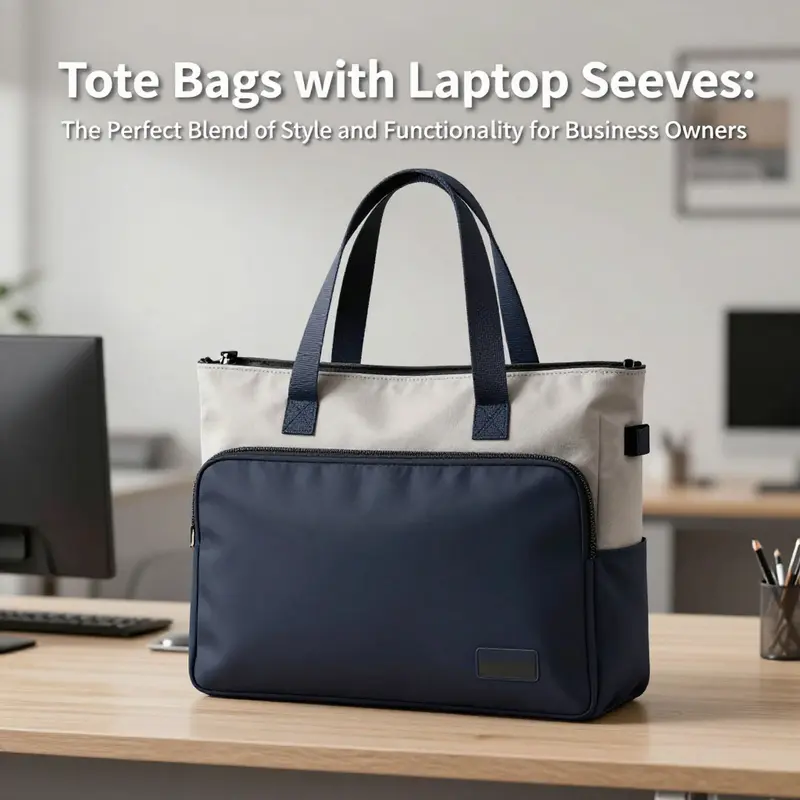
The design features of tote bags with laptop sleeves reveal a careful negotiation between style and everyday practicality. These bags aim to fit the rhythms of modern life where work, errands, and occasional travel converge into one carry-on solution. The most visible decision is material choice, because it does more than define the look. It determines how a bag handles weather, weight, and repeated use. Canvas offers a lightweight, breathable base that accepts coatings and wax finishes for water resistance. It ages with character, picking up marks that tell a personal story without compromising the bag’s professional vibe. Nylon adds a different balance: it tends to be stronger and more flexible, with a inherent gloss or matte finish that can read either casual or corporate depending on color and texture. Vegan leather provides a polished, ecologically oriented alternative that still holds a professional silhouette, especially when combined with clean lines and a restrained color palette. Water-resistant synthetics, by design, keep a bag from soaking through in drizzle or a hurried downpour, a practical consideration for city dwellers hopping between meetings and coffee shops. Each material choice speaks to a distinctive wearer: the student who needs lightweight carry; the urban professional who moves between offices; the traveler who wants one bag to endure a flight and a weekend in the city. The aesthetics emerge from these material decisions in tandem with tailoring. A minimalist approach focuses on clean lines and a structured silhouette. It produces an appearance that is equally suited to a formal meeting and a casual café stop. A more versatile look often relies on neutral colors and unadorned surfaces, letting the bag harmonize with a suit as readily as with denim and a tote of files. What matters, in practice, is how the surface interacts with the interior architecture: how the external fabric frames the internal sleeve, how the zipper closures and hardware reflect light or fade into a matte plane, how the bag’s overall weight sets the pace for a day’s journey without fatigue. The choice of a built-in laptop sleeve is central to the design logic. The integrated compartment lies along one side of the main interior, sewn into the lining with padding that provides basic protection for everyday use. This is not padding that fully cocoonS the device from every conceivable impact; rather, it cushions against common bumps, jolts, and the occasional drop in a crowded train car. The sleeve is typically sized to accommodate laptops up to about fifteen inches, a standard that aligns with many mainstream devices and allows a single bag to function for work, study, and light travel. A key facet of the sleeve’s utility is how tightly it holds the device in place. The padding, along with snug fit at the edges, reduces rattling and shifting, which can be distracting and potentially damaging if the laptop slides or presses against sharper hardware. Yet the protection is inherently partial: without full-wrap reinforcement or a hardcover core, the bag’s structure remains flexible. That flexibility is not a flaw but a design trait aimed at lightness and ease of use. In daily life, where the bag spends more time resting on a shoulder or carried by hand than being dropped from height, this level of protection often suffices. For those whose routines include frequent, rougher handling—crowded subways, airport rollers, or a stairwell scramble—the difference between a tote with a sleeve and a purpose-built laptop bag becomes evident. The interior organization further clarifies the bag’s character. The main compartment typically embraces a single, roomy space, with the laptop sleeve occupying one side. Inside, some models feature minimal pockets—perhaps a small zippered section for cards, a phone, and a charger—while others present an open field to accommodate notebooks, a tablet, and a water bottle alongside the laptop. This approach favors flexibility over complex organization. It is a design choice that invites loose items to mingle with more important gear, allowing a user to rearrange space according to the day’s needs. The simplicity resonates with a broader aesthetic: fewer compartments can communicate clarity and purpose, reducing the cognitive load of packing and repacking when plans shift. Carrying options reinforce the bag’s adaptable persona. Short handles encourage hand or elbow carry, a familiar gesture when stepping into a meeting room or climbing stairs with a mug of coffee. Some iterations include a removable crossbody strap, enabling shoulder or crossbody wear for longer commutes or a quick stroll through a park after work. The strap system becomes a quiet test of design restraint: it should feel unobtrusive, evenly padded, and adjustable enough to cross over a coat or a blazer without digging in. These elements—the material, the silhouette, the integrated sleeve, and the carrying options—work together to establish a persona for the bag. It is a case of practical elegance: the bag enhances daily life by marrying the visual language of modern minimalism with a straightforward, dependable interior anchor for a laptop. In practice, this means a tote that looks right in a boardroom and can double as a weekend carry when plans shift. It means a bag that can slip easily under a seat on a commuter train while keeping a computer accessible for a last-minute presentation. It also means a decision about whether to prioritize exterior protection or interior ease. Those who want maximum safeguarding typically turn to bags with reinforced corners, full-wrap padding, and rigid frames. The tote-with-sleeve, by contrast, remains deliberately lighter and more pliable. This is not an abandonment of care; it is a different care philosophy: one that prioritizes mobility, quick access, and a blend of fashion and function. When selecting among these designs, users tend to weigh their typical days against the severity of environments they encounter. If a life includes frequent transit, crowded events, and quick handoffs, a bag with stronger structural elements may be preferable. If the routine is a steady rhythm of meetings, offices, and casual meetings in coffee shops, a tote with a laptop sleeve offers an elegant balance. In the longer arc of design research, this balance shifts with new textures, coatings, and internal geometries that keep pace with evolving devices and user expectations. The sleeve’s integration often becomes a touchstone for evaluating the bag’s overall performance. A well-integrated sleeve should not pull or warp if the laptop is heavier than average. It should hold the device in place without pressing against the zipper line or fabric seam. It should also allow easy removal and reinsertion with one hand. The exterior must resist abrasion and retain its sharp line as the bag collects scuffs over months of use. The interior fit matters as well: the sleeve must be wide enough to accommodate devices not quite twenty millimeters shy of the listed maximum, and the padding should resist compression so that a laptop remains snug even after repeated zips and unzips. In this sense, design is an exercise in balance. The pack must feel light yet secure, refined yet practical, and modern without being austere. The wearer’s daily rituals shape how it is worn and used. A student might carry textbooks beside a slim laptop, while a professional may demand a charger, a notebook, and a portable hard drive in addition to his or her device. The pocketing strategy, therefore, should be deliberately scalable, not overbuilt. Some bags lean toward a clean, open interior that favors adaptability. Others add a few interior pockets to corral small items without turning the main space into a labyrinth. Either approach can feel intentional if paired with the right exterior geometry. For readers who want to see how the sleeve interacts with the rest of the bag’s structure, there is a concise overview that highlights the key ideas behind built-in sleeves and their impact on balance and fit. tote-bag-with-computer-sleeve offers a compact example of how these decisions manifest in real products. Understanding the design logic behind the integrated sleeve helps explain why some bags feel effortless to carry, while others require more deliberate placement of the laptop for optimal comfort. The discussion naturally extends to maintenance and care. Materials that repel moisture protect the interior and keep the laptop dry in damp weather, but routine care matters as well. Wipe-downs to remove dust, occasional conditioning of vegan leather, and mindful storage away from sharp objects all contribute to longevity. A tote that ages gracefully often avoids heavy hardware, opting instead for clean, streamlined closures that resist scratches and still read as purposeful, not brittle. For designers and consumers alike, the challenge remains clear: push for a look that does not betray the bag’s purpose or burden the wearer with unnecessary complexity. The best designs achieve a quiet confidence, a sense that form and function are not competing ideals but complementary forces that guide everyday behavior. The future of these bags will likely bring even more subtle refinements—improved padding materials, lighter yet stronger fabrics, smarter internal layouts, and finishes that gracefully endure urban life. As these iterations unfold, the line between fashion and utility will continue to blur, and the notebook plus laptop duo will become a standard only when the bag makes both items easier to carry, not merely more stylish to look at. External reading on broader design trends in this space offers additional perspectives on how the industry interprets demand for laptop sleeves in tote form. Tote Bags with Laptop Sleeves Design Trends
Material Truths: How Fabrics and Finishes Define Laptop-Sleeve Tote Bags
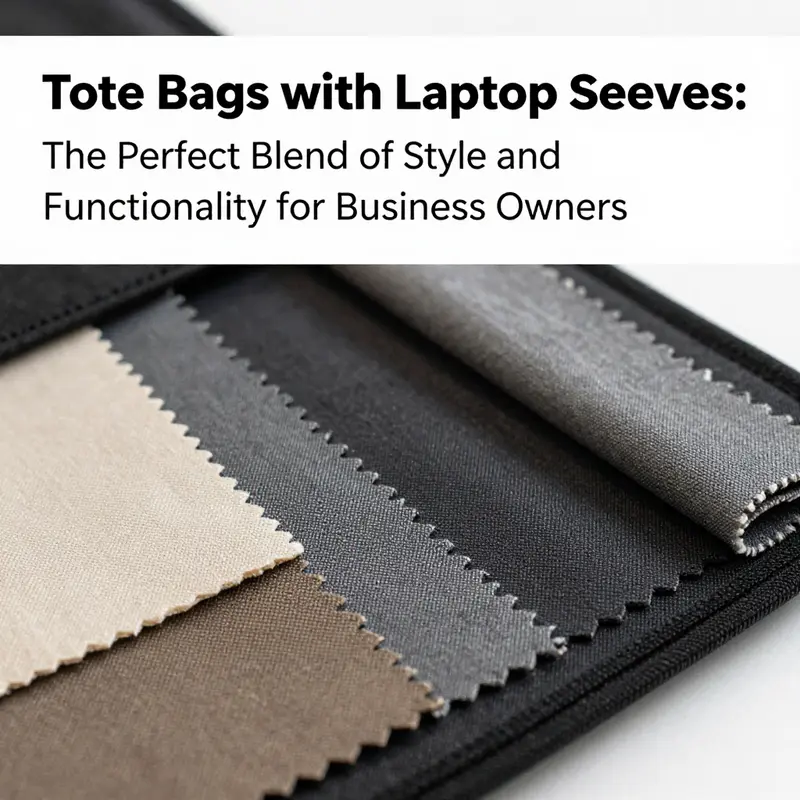
The materials chosen for a tote bag with a laptop sleeve do more than set a visual tone. They shape how the bag behaves under load, weather, and daily use. In this space where form meets function, fabric is a functional system. The interior sleeve is supported by the outer layer’s weight, durability, and restraint. A thoughtful blend of materials can balance everyday practicality with refined style. Canvas, leather, and synthetic fabrics each bring a distinct voice to the design language of these bags. Canvas offers a utilitarian vibe that resonates in professional settings yet remains approachable; waxed or treated variations add water resistance and durability. Leather signals refinement and longevity, with a patina that evolves with use, but it requires regular care. Synthetic fabrics such as polyester and nylon provide lightness and moisture management, often with coatings that enhance resistance to abrasion and rain. Coatings and laminates on both exterior and interior help protect the laptop while maintaining flexibility. Padding densities and gusset design matter as much as the choice of fabric, because they determine how securely the laptop sits and how much space remains for chargers and notes.
Ergonomics follow material behavior: heavier outer materials can influence fatigue, so brands often add adjustable straps and ergonomic connectors. The texture of the fabric also affects comfort: a smooth, tightly woven surface slides easily over clothing, while a slightly textured surface can increase grip and stability. When these details align, the bag becomes a reliable everyday partner rather than a bulky carrier. The material story informs decisions about where the bag sits in daily routines – from commute to cafe, from desk to travel – without requiring a separate, purpose-built case for the laptop.
In short, material choices are part of a practical philosophy of daily carry: they balance weight, protection, maintenance, and aesthetics to match how a bag will be used.
Carrying Versatility: The Subtle Balance of Style, Organization, and Laptop Protection in Tote Bags with Laptop Sleeves
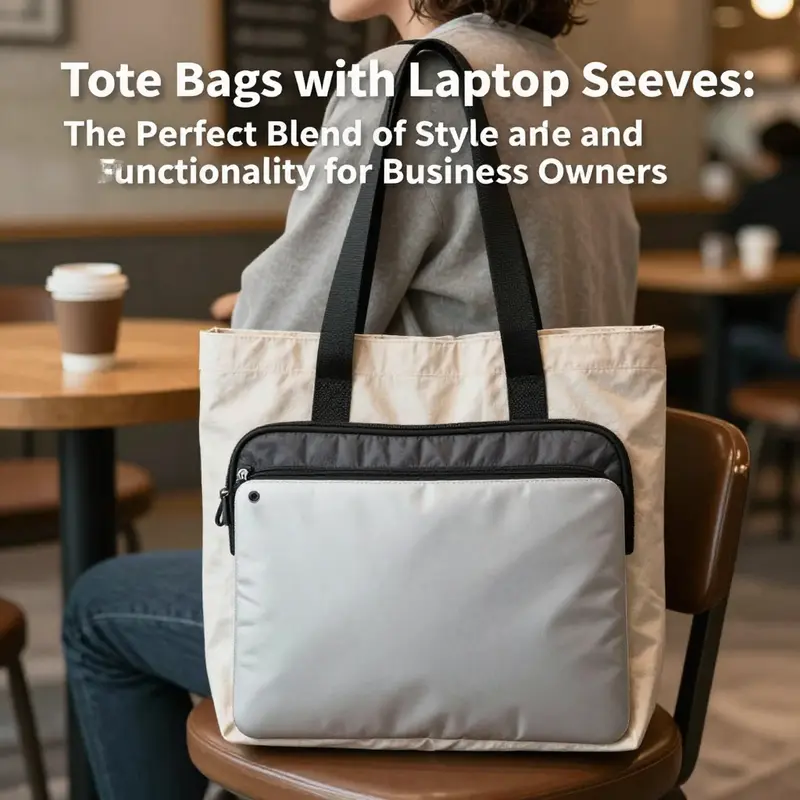
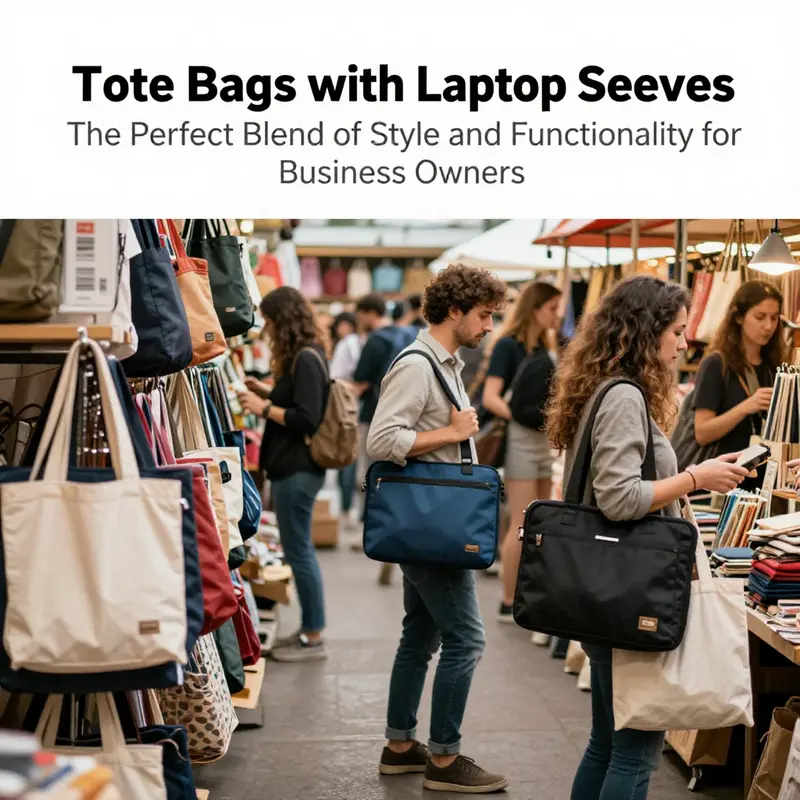
A tote bag with a laptop sleeve sits at a quiet intersection where fashion meets practical daily use. Its appeal lies not in a single, dramatic feature but in a measured blend of versatility and purpose. The shape remains familiar enough to blend into an office corridor or a café, yet the interior is engineered to cradle a laptop without demanding a separate, dedicated case. The result is a carry option that travels light on ceremony and heavy on adaptability. This is not merely a bag that happens to hold a computer; it is a design that acknowledges the varied rhythms of modern life. From a quick commuter sprint to a long study session at a sunlit corner, the tote’s value emerges in how easily it reorganizes itself to accommodate what you carry and where you go next.
Inside, the most defining feature is the laptop compartment. It is typically a softly lined space that cushions the device against scratches and minor bumps. In many designs, this sleeve is either fixed to the interior lining or removable, offering flexibility for when you just need a roomy tote for books or gym gear. The padding is deliberately modest—enough to soften a casual impact, but not so thick or enveloping that it adds bulk or creates a rigid barrier to access. This reflects a broader principle: these bags aim for everyday resilience rather than aerospace-grade protection. The interior layout often unfolds like a small ecosystem of pockets and sections. A soft-lined sleeve sits above a main chamber that can swallow notebooks, folders, or a tablet. A zippered pocket provides a secure space for a phone, wallet, or keys, while open compartments keep notebooks or chargers within easy reach. A couple of hidden hooks or loops near the opening can secure keys or small accessories, a subtle nod to the daily routine of grabbing rather than searching.
The open-top design, common to many totes, contributes to speed and ease of use. It makes loading and unloading feel almost intuitive. Yet this same openness invites considerations about security and organization. To counterbalance this, designers often balance the lack of a rigid top with thoughtfully placed closures, such as a long, full-length zipper or a magnetic closure that keeps the contents intact without sacrificing quick access. The result is a bag that welcomes a laptop but does not demand a dramatic ritual to retrieve it. The interior, in other words, becomes a microcosm of the broader carry experience: structured enough to protect and organized enough to retrieve, but flexible enough to adapt to the day’s shifting demands.
Material choices amplify this balance between style and practicality. Durable canvases, nylon blends, and soft yet polished leathers are common, each bringing a distinct personality to the tote. A canvas option often leans more toward casual, artsy, or collegiate contexts, pairing well with relaxed denim or office casual. Nylon or coated fabrics push toward a sleek, weather-ready aesthetic, suitable for damp mornings or crowded commutes where a bag may brush against railings and rain-slick sidewalks. Leather, meanwhile, elevates the look toward the professional or refined casual—an investment in color, texture, and patina that matures with use. Across these materials, colorways and finishes matter as much for how a bag sits in a room as for how it carries a device. A subdued, matte tone can project professionalism without shouting, while a brighter or patterned exterior can signal personality and confidence in informal settings. The aesthetic value of these totes thus rests not only in what they protect but in how they communicate the wearer’s style to colleagues, classmates, or friends across a crowded station.
The protective promise of a laptop sleeve inside a tote is real but clearly bounded. Real-world testing and practical experience converge on a simple truth: the sleeve provides basic cushioning, and the bag’s internal padding helps reduce the severity of minor bumps. It does not, however, replicate the full-wrap protection of a purpose-built laptop bag—those products employ reinforced corners, foam-encased frames, and suspending systems to absorb heavier shocks. For daily use—café seats, crowded buses, or quick drops from a chair—the sleeve can prevent scratches and dampen incidental bangs. If your laptop faces more intense handling or frequent travel on rough surfaces, a tote sleeve alone may be insufficient. The risk calculus shifts with context: a student bouncing between classes might be well served by this hybrid design, while a remote worker who travels by air or a creator who carries high-value equipment might opt for a bag-style system with deeper structural protection. This is not a failure of totes with sleeves; it is a call to calibrate expectations to lifestyle and risk level.
Beyond the laptop compartment, the organizational framework of these bags contributes to their charm and utility. Pockets, dividers, and external slots support an everyday ritual: you reach for your phone in the afternoon, slip a charger into a zipper pocket, then tuck a notebook into a wide, open section without rummaging. The outer silhouette remains clean and unfettered, which helps the bag transition from a work environment to a casual outing without appearing incongruous. This minimalist exterior is complemented by functional details—the ability to attach a detachable shoulder strap, or the presence of long carrying handles that permit comfortable shoulder wear when the bag is moderately filled. The adjustability of the strap is not a mere convenience; it changes the geometry of how weight sits on the shoulder, influencing comfort during long commutes or when wearing bulky outer layers in cold weather. For many users, the strap system is as important as the internal sleeve because it directly affects daily comfort and how long the bag stays in rotation.
In practice, this kind of tote is especially appealing to those who move fluidly between formal and informal contexts. A tote that looks polished enough for a conference room but remains relaxed enough for coffee shop work sessions becomes a practical constant in a busy routine. The ability to unzip a dedicated laptop space and quickly slide the device in or out mirrors how people move through spaces that demand speed and discretion. The interior layout, combined with exterior materials and strap configurations, equips the bag to function as a work bag, a carry-all for daily essentials, or a casual travel companion. It is not about choosing between fashion and function; it is about weaving both into a single, cohesive carry solution that responds to shifting needs through a light touch rather than a heavy-handed reinvention.
For readers who want to see how this balance translates into real-world choices, the idea of a tote with a computer-oriented sleeve is a helpful frame. The concept mirrors what you can find in a tote bag with computer sleeve, which emphasizes a dedicated space for the device while preserving the bag’s broader versatility. This design philosophy supports a daily rhythm in which a person can grab the bag on a moment’s notice, carry it into a meeting, a classroom, or a weekend errand, and still feel that the bag respects both form and function. The appeal lies in the quiet confidence of such a carry: no heavy protective case to reveal itself, no cumbersome system to learn, just a reliable partner that folds into the day’s flow. When a bag’s interior is thoughtfully organized and its exterior thoughtfully crafted, the wearer experiences less friction and more flow—an outcome that matters as much as the look or the price.
External reading and comparative testing affirm the practical nuance of this balance. They remind us that the allure of a tote with a laptop sleeve owes as much to its adaptability as to its protection profile. It is a design that recognizes what most users want: a single bag that can handle the laptop and still function as a dependable everyday carrier. This kind of versatility invites a certain mind-set about what a bag should do. It suggests that the ideal tote is not a one-trick device but a compact ecosystem for daily life—an all-purpose companion that respects the laptop as a valued member of the kit without turning the bag into a dedicated gadget case. The result is a product category that invites experimentation: you can swap between a laptop-focused lifestyle and a casual perspective without changing your daily bag. The subtle richness comes from the blend—the durability of materials, the ease of access, the arrangement of pockets, and the gentle, protective padding that protects the screen but leaves the bag light and flexible for other uses.
For readers who want to explore the practical implications of protection tests while keeping sight of everyday use, a helpful resource is available through independent testing and consumer reporting. It offers a comparative view of how different bag configurations perform under typical scenarios, underscoring that the strongest protection often comes from a combination of padding, structure, and user behavior rather than from a single design cue. The insight is not to discourage ownership of a tote with a laptop sleeve but to encourage mindful use. Treat the sleeve as a helpful buffer for day-to-day life, while recognizing when a more robust solution is warranted by travel frequency or device value.
External resource: https://www.consumerreports.org/laptop-bags/best-laptop-bags-for-protection-a123456789/
To further explore the broader landscape of tote bag options and how interior layouts influence usability, see this related guide on a site that curates diverse tote styles and their practical features, including options tailored for women’s laptop-tote combinations. The curated selection emphasizes how different fabrics, closures, and pocketing configurations come together to shape the daily experience of carrying, protecting, and organizing technology and personal items alike: tote bag with computer sleeve.
Shielding Style: Navigating the Trade-Offs Between Tote Bags with Laptop Sleeves and Dedicated Laptop Bags
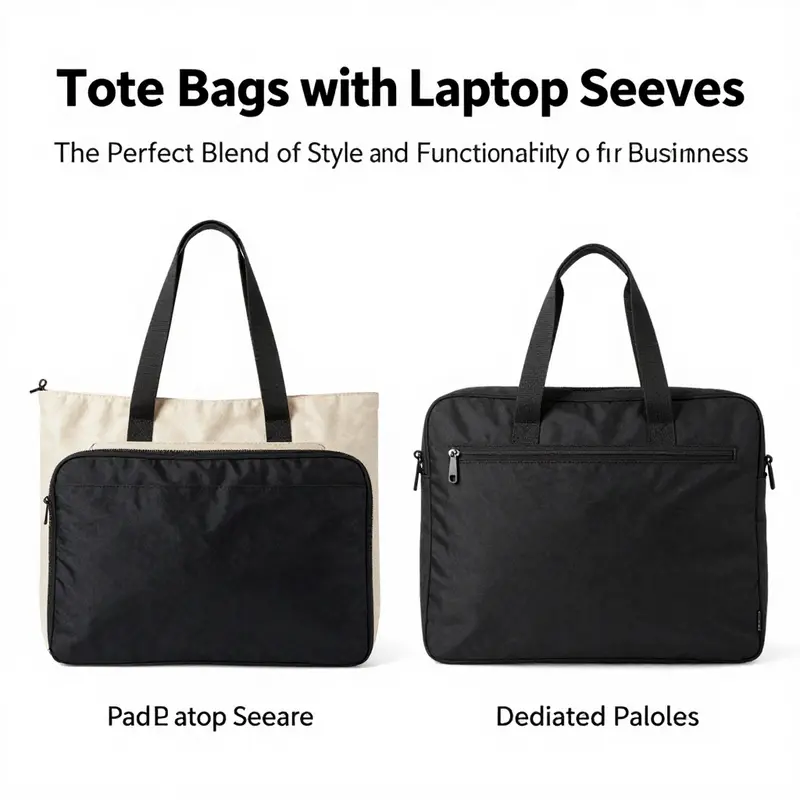
Choosing how to carry a laptop is rarely only about capacity. It is a decision that blends aesthetics, weight, comfort, and the quiet physics of protection. A tote bag with a laptop sleeve offers immediate appeal: a clean silhouette, adaptable use, and a single, familiar space for books, a charger, coffee, and a device that deserves some padding. A dedicated laptop bag, by contrast, speaks a language of purpose-built protection. Its architecture is not merely about where the laptop sits; it is about how the bag locks the device in place, how it disperses impact, and how that protection travels with you through crowded streets, stairwells, and shifting commutes. Read together, these options reveal a practical spectrum, where style and safeguarding are not mutually exclusive, but they do demand different design priorities and everyday compromises. The chapters of this discussion loop back to a common question: when does fashion become a liability, and when does it become a companion that carries your work with you rather than against you?
Protection and shock absorption anchor the comparison. Dedicated laptop bags are engineered for device safety from the ground up. They typically sport multi-layer padding, reinforced inner compartments, and a floating or suspended sleeve that isolates the laptop from external jolts. The idea is to minimize movement and dampen the force of impacts through material and geometry. In stark contrast, tote bags with laptop sleeves rely on a softer interior lining and a single layer of foam that cushions the device only modestly. The padding is never encased in a rigid shell, and the overall structure remains flexible, allowing the bag to compress under load. The difference becomes measurable in real-world tests that simulate drops and sudden shocks. A 2023 study from the Consumer Electronics Protection Institute found that laptops carried in more rigid, purpose-built carriers experienced markedly lower peak forces during simulated drops than those left in tote configurations. The takeaway is not that totes fail entirely, but that their protection is best suited to ordinary, everyday bumps rather than repeated shocks or high-energy impacts. In daily use, if your routine involves quick stops, crowded transit, or a lot of gear in motion, the specialized sleeve and structured frame of a dedicated bag offer a measurable margin of safety for your device.
Ergonomics and weight distribution further illuminate the divide. The ergonomics conversation often centers on how load is carried and where it rests on the body. Backpack-style, dedicated laptop bags distribute weight across both shoulders and the spine, creating a balanced load that reduces strain on the neck, shoulders, and lower back. When carried as a single-strap tote or a messenger-style bag, the weight concentrates on one shoulder or on one arm, lifting and tilting a heavier payload in a way that can cause postural drift and fatigue over long days. Ergonomics researchers emphasize that uneven loads contribute to cumulative musculoskeletal strain, particularly for urban commuters who traverse stairs, sidewalks, and platform thresholds. Tote bags, with their typically two-handled or one-shoulder design, also invite the bag to ride closer to the body or swing with each step, creating micro-motions that can translate into muscle fatigue after hours of walking or standing. The balance here is not simply about comfort in the moment but about long-term well-being. For some users, the chic ease of a tote—carrying a laptop sleeve and a host of personal items—outweighs the incremental ergonomic cost. For others, the priority is to minimize risk to the spine and the shoulders, even if it means adopting a more structured carrier that feels like a small daily investment in posture.
Versatility and aesthetic appeal are the heart of the tote’s charm, and this is where the tote bag with a laptop sleeve often wins in the court of daily practicality. The design language of totes tends to favor clean lines, flexible materials, and minimalist hardware that looks equally at home in a conference room, a cafe, or a weekend market. Materials range from canvas and cotton blends to waterproof synthetics and refined leathers, all chosen to age gracefully with daily use. This aesthetic advantage comes with an important caveat: the same flexibility that makes a tote adaptable can dilute the internal organization that dedicated laptop bags offer. A well-conceived laptop-specific bag often includes multiple pockets for charger cables, a tablet, a water bottle, and an assortment of small items, along with a snug, padded laptop compartment that keeps the device from sliding. In the office or airport lounge, the tote’s wide main compartment can feel liberating—yet it can also invite rummaging and disorganization when the bag is stuffed with papers, lunch, or shopping items. The compromise here is a trade between a spacious, stylish silhouette and a compartmentalized interior designed to prevent items from shifting. For many, the answer lies in a thoughtful middle ground: a tote with a laptop sleeve that uses interior dividers and a few added pockets, paired with a structured, protective shell or a detachable sleeve that can be used with other carry options.
Environmental and commuting considerations add another layer to the decision matrix. In urban settings, where rain, grime, and quick changes of pace are common, the bag’s exterior play a critical role. Water resistance, abrasion resistance, and secure closures help protect both the device and the day’s contents from weather and mishap. Dedicated laptop bags often feature rugged exteriors, weatherproof zippers, and reinforced corners. Backpack configurations minimize bounce and movement during a commute on foot, bike, or public transit, which translates into steadier gear and less device shift during every stop-and-go. Tote designs, while often lighter on hardware, must rely more on the integrity of the interior sleeve and the overall bag’s rigidity to keep the device from distorting under pressure. The urban rider, who navigates stairs between trains and hails of pedestrians, may find that the protection gains in a dedicated bag are worth the extra weight and the extra cycle of fastening and unfastening between stops. Yet for short trips, or for those who value a single, adaptable bag for both work and weekend errands, a well-made tote with a robust sleeve can meet day-to-day needs without demanding a change in routine.
The decision then becomes a question of lifestyle priorities. If mobility and appearance take precedence, a tote bag with a laptop sleeve can be a compelling choice. It offers a lighter touch, a more versatile silhouette, and a cleaner transition from desk to street. If safeguarding the device is the highest priority—especially for frequent travelers, busy commuters, or environments where bags are dropped, tossed, or shuffled—then a dedicated laptop bag becomes the safer bet. It is not simply about padding thickness but about how the bag’s architecture controls movement, absorbs shock, and stabilizes the laptop within a structured frame. For many, the optimal solution is a thoughtful hybrid: a tote-style exterior with a laptop sleeve that is backed by additional protective inserts or a detachable, semi-rigid insert that can be used on demand. This approach preserves the tote’s aesthetic while granting the device an extra layer of protection when needed.
If you want to explore this hybrid approach further, consider a quick look at how interior design and external carry options can be harmonized. A practical tip is to look for a tote that offers multiple carrying options—short handles plus a detachable shoulder strap—and to pair it with a slim, padded laptop sleeve that can be removed when the bag is used for non-work days. This combination preserves the tote’s flexibility while giving the user the option to upgrade protection during commutes or travel. For readers curious about the practical trade-off in everyday terms, a helpful reference on the broader category can be found here: tote bag with computer sleeve. The link points to a guide that discusses how interior padding and sleeve design interact with the bag’s outer shell to shape protection and convenience in real-world use.
Ultimately, the choice reflects personal routines. A professional who carries heavy documents, multiple devices, and valuable accessories may prefer a dedicated laptop bag’s proactive protections and ergonomic benefits. Someone who balances fashion with a light daily load, or who regularly switches between work, errands, and social obligations, may opt for a tote that coordinates with their wardrobe and mood while still keeping the laptop shielded by a well-designed sleeve. The central insight is that protection, ergonomics, versatility, and environmental resilience do not form a single answer but a spectrum. The best choice aligns with how you move, how you work, and how you want your equipment to travel with you.
For those who want to drill into the data behind these design choices, the broader literature on impact testing and bag construction provides valuable context. This includes rigorous testing that compares different carrying experiences and quantifies how design elements—such as padding layouts, suspension systems, and exterior materials—affect device safety in transit. As you weigh the options, a practical takeaway emerges: if your days include crowded commutes or frequent stow-and-go movements, a dedicated bag offers more predictable protection. If your days lean toward flexible, stylish day-to-day carry and occasional trips, a tote with a padded laptop sleeve can be a compelling, cost-effective compromise. And if you want the best of both worlds, seek a hybrid that combines a chic tote exterior with a detachable protective insert that can be used as needed, preserving style without sacrificing safety.
External resource for further context on impact testing and protective design: https://www.cepi.org/research/impact-testing-laptop-bags-2023
null
null
Final thoughts
Tote bags with laptop sleeves represent a strategic choice for business owners who appreciate both style and practicality in their daily carry. As we’ve explored through their design features, materials, versatility, and market trends, these bags offer a sophisticated option for professionals looking to enhance their day-to-day functionality without compromising on aesthetic appeal. In the fast-evolving landscape of business accessories, totes are not just bags; they are essential tools that blend seamlessly into the modern professional’s life, making them a worthy investment for anyone prioritizing efficiency and style.