
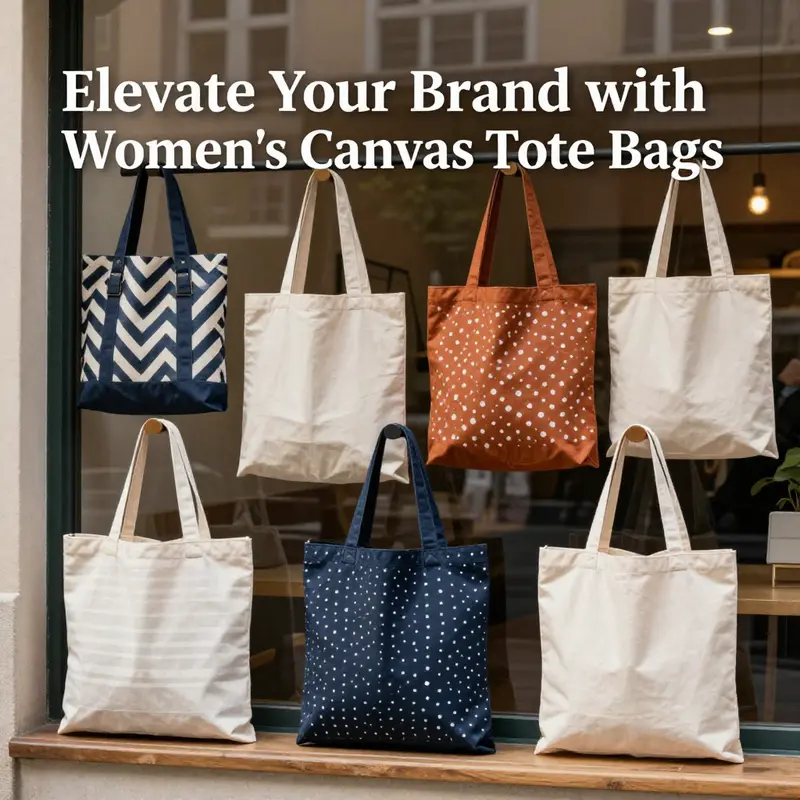
In today’s dynamic retail landscape, women’s canvas tote bags stand out as a versatile product that merges style, sustainability, and functionality. As consumers become increasingly conscious of their purchasing decisions, these bags offer brands an opportunity to meet eco-friendly demands while capturing aesthetic appeal. This article delves into the multi-faceted advantages of canvas tote bags, exploring their durability and practicality, current fashion trends, brand offerings from luxury to everyday varieties, sustainability aspects, and economic impacts. By examining these areas, business owners can better understand how to leverage this growing market segment to enhance brand visibility and consumer engagement.
Stitch by Stitch: The Durable Heartbeat of Women’s Canvas Tote Bags
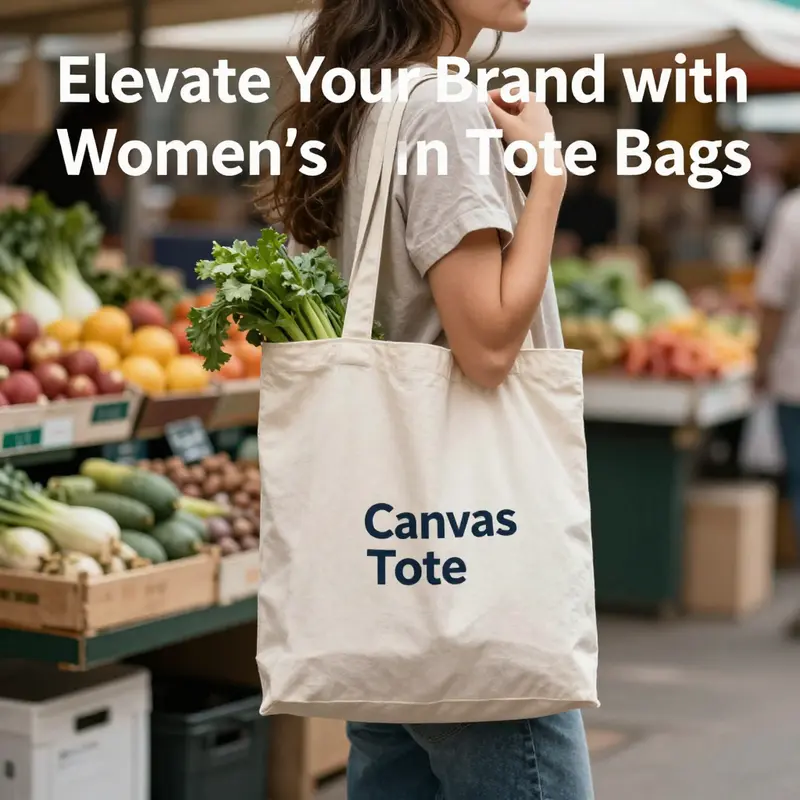
The canvas tote has earned its place in modern wardrobes not with flash but with quiet reliability. It is the kind of everyday companion you notice only when it is missing. The bag’s appeal rests on a simple equation: a generous interior, sturdy construction, and a fabric that can withstand the rhythms of daily life without betraying its purpose. When you lift a well-made canvas tote, you feel it before you see it—the fabric’s density, the heft of the handles, the neatness of the seams, and the way the bag holds itself even when empty. All these cues cohere into a product that is at once functional and understated, capable of carrying work files, groceries, gym gear, or a weekend basket of souvenirs from a trip. The real story, though, lies not in the surface appearance but in the careful choices that determine how long a bag lasts and how well it serves in the moments when you need it most.
Material quality is where the durability conversation begins. The fabric that most enduring canvas totes rely on is a tightly woven duck canvas. This weave resists fraying and water penetration better than looser constructions, which translates into a bag that can shrug off occasional exposure to rain, spills, or rough handling. Sustainability often accompanies quality in this space. Premium totes increasingly use sustainably sourced cotton, a choice that signals responsible production without sacrificing strength. A tactile test—feeling for density, noting the fabric’s weight and stiffness—can reveal a lot about a bag’s lifetime potential. A dense, slightly stiff canvas generally indicates a fabric designed to resist sagging and wear after repeated use, while overly soft or limp canvas can sag and stretch sooner under heavy loads. The material story, then, is not merely about feel; it is about longevity and the environmental footprint of production, which many designers are eager to convey through responsible sourcing and transparent fabric credentials.
The next layer of durability rests on construction. A bag’s stamina is as much about how it is sewn as what it is made from. Seams matter profoundly, especially at points where stress concentrates. Double-stitched seams provide a robust border against tearing, while reinforced stitching at the junctions of handles and the bottom corners creates a buffer against the common failures that emerge when a tote is weighed down with notebooks, laptops, or groceries. Techniques like box stitching or bartacking at critical junctions distribute load more evenly and prevent the kind of tearing that begins as a hairline fracture and ends in sagging fabric or detached handles. The choice of thread is another subtle but essential detail. Polyester thread offers UV resistance and tensile strength that hold up under sun exposure and long days of use, making it a practical choice for summer commutes or weekend adventures. The result is a tote that not only looks prepared for action but also feels capable of standing up to it, again and again.
Even within this framework of material and stitching, durability is tested in the real world. A durability assessment conducted in 2025 highlights how a high-quality canvas tote behaves under load and over time. In controlled conditions, signs of stress began to appear by week three, with minor fraying at the corners and some loosening near the points where the handles attach when the bag is carrying heavy loads. Those findings underscore a practical truth: while canvas is resilient, no tote is invincible. The difference lies in the degree of reinforcement—how robust the bottom corners are, how securely the handles are anchored, and how much weight the seams are designed to bear before the fabric begins to give way. This is not a cautionary note but a benchmark—a reminder that thoughtful construction matters just as much as the material itself. The industry’s response to these insights is to push for stronger bottom panels, more secure bartacking, and better weight distribution in designs that balance fashion with function. Such developments can help a bag weather a long workday, a busy airport terminal, or a spontaneous weekend excursion without losing its shape or its soul.
Practicality, the third pillar of enduring design, emerges through features that make daily use effortless rather than merely possible. A canvas tote’s interior layout can transform it from a carry-all into a competent organizer. Generous interior space accommodates everything from a laptop and charger to a change of clothes or a reusable shopping bundle. Thoughtful pockets—some zippered, some open—offer dedicated spots for smaller essentials, like a phone, keys, a wallet, or a pen loop, reducing the rummaging time that wears on a bag’s zipper and seams. The interior configuration is not a cosmetic flourish; it is a real-world aid that helps protect contents and preserve the bag’s structure under load. Handles deserve special attention as well. Wide, well-attached straps distribute weight more evenly across the shoulder, reducing the risk of sagging or tearing at the attachment points. A reinforced bottom panel further supports heavier items, maintaining a clean silhouette even when the bag is full. With these design choices, canvas totes become more than simple carriers. They become tools that empower daily routines, enabling a quick trip to the market, a ride to the coworking space, or a weekend escape with equal ease.
Design variety often mirrors the needs and tastes of wearers. The canvas platform supports a broad spectrum of aesthetics—from calm, solid tones to prints and patterns that introduce personality without overpowering an outfit. It is common to see minimalist, monochrome looks alongside more expressive motifs or logos rendered in a way that remains timeless rather than ephemeral. This flexibility makes the bag feel like an extension of the wearer’s style rather than a separate accessory. Yet even as fashion and function converge, the core criteria—material quality, construction integrity, and practical features—stay constant. The best totes in this tradition resist passing trends and favor longevity, so that a single bag can travel across seasons, climates, and life stages without losing its relevance.
From a consumer perspective, evaluating a canvas tote with durability in mind means paying attention to a few telltale signs. The weave density, the heft of the fabric, and the rigidity of the bag when it stands alone all signal quality. Inspect the seams where stress concentrates, and look for double stitching or box stitching around the handles and the base. Check the attachment points for any looseness or unevenness and feel the thread itself for smoothness and uniformity. Consider how the interior is divided—are there pockets that keep items in place, or is the space a broad, unstructured cavity that invites things to slide around and abrade the fabric? For shoppers, this level of inspection makes the difference between a bag that ages gracefully and one that shows wear after a few weeks. The category itself is about more than a moment’s purchase; it is about an ongoing relationship with a dependable tool you carry daily.
In the broader story of everyday practicality, the canvas tote stands out because it answers a simple need with a robust solution. It is capable of transitioning from a commuter’s daily routine to a weekend errand run, from a library stop to a farmers’ market, while maintaining a silhouette that still feels appropriate for a meeting room or a casual dinner. The fabric’s sturdiness, the stitching’s resilience, and the bag’s interior organization all contribute to a seamless experience. The aesthetic remains a bonus—the visual appeal of a well-made tote often comes from its restraint and its bearing; it looks right in light and in shadow, in sunlit corridors and in the soft glow of a café. This combination of form and function is what sustains the tote’s popularity across seasons and settings, inviting wearers to choose a single, trusted companion rather than a rotating door of trend-led alternatives.
For readers who want to explore the category further and see examples of the kind of tote that embodies these principles, a broader overview can be found at the dedicated category page for women’s canvas tote bags. This resource gathers a range of options that illustrate how different brands interpret the same durability fundamentals—material quality, reinforced construction, and practical design—within varied aesthetics. women’s canvas tote bags.
As designers continue to refine both form and function, the canvas tote remains a practical canvas for innovation. Lightweight but strong fibers, smarter truth-in-labeling about fiber content, and improved manufacturing techniques all contribute to longer-lasting products with smaller environmental footprints. The practical truth is simple: a bag designed with durable materials, reinforced construction, and user-centered features will endure more wear and tear, reduce waste, and keep pace with changing needs. In a world where everyday carry has become part of a routine—commuting, shopping, and the occasional travel—these qualities shift from being merely desirable to genuinely essential. The canvas tote, with its quiet competence and adaptable design language, continues to prove that durability and practicality can coexist with style and versatility, making it a reliable partner for seasons to come.
External reference: For a broader perspective on production approach and material emphasis in contemporary tote construction, see the 2025 durability study linked in supplier resources: https://www.alibaba.com/product-detail/Canvas-Mk-Tote-Bag-Stylish-Durable-2025-Essential_1600837948229.html
Horizontal Silhouettes, Heavy Duty Finesse: How Trends Recast Women’s Canvas Tote Bags for Everyday Luxury

Canvas tote bags have long been associated with practicality, but the fashion conversation around them in 2026 has shifted toward a sophisticated blend of form and function. The canvas tote is no longer a plain, utilitarian carrier; it has become a canvas for expression that mirrors how people navigate a world that craves both efficiency and style. A key driver of this shift is the rise of the East-West, or horizontal, silhouette. It is described as a “modern classic” by observers who track the runway-to-street translation of bags, and it continues to dominate the mainstream. The elongated rectangle reads as effortless and architectural at once, its lines framing the body in a way that feels calm, precise, and intentionally uncomplicated. This is not an isolated trend; it is part of a broader recalibration toward pieces that look as good on a crowded city sidewalk as they do in a quiet cafe after a long day. The horizontal form creates a broad, steady surface area that can balance a wide array of outfits, from a tailored blazer and wide-leg trousers to a graphic tee and denim. It is, in effect, a portable stage for daily life, a stage that stays confident whether the wearer is heading to a meeting, a gym, or a weekend market.
In the current landscape, the bag’s silhouette is a study in restraint and resonance. The form is clean enough to read as minimalist, yet the large, flattening surface invites tactile delight and subtle details that signal craftsmanship. The elongation of the body of the bag also invites a new rhythm in how items are stored and retrieved. Rather than a bulky, top-heavy profile that requires careful packing, the horizontal tote encourages a balanced distribution of weight. It hosts a notebook, a tablet, a compact makeup case, a water bottle, and perhaps a small jacket or umbrella, all without collapsing into an elephantine mass. Designers and brands—the most discerning of whom lean toward emphasis on structure—achieve this through partitions, gussets, and smart lining. The goal is a bag that feels airy and easy to carry, yet sturdy enough to handle everyday wear and tear. In this sense, the East-West silhouette captures a practical elegance that resonates with people who want fashion that does not demand extraordinary care or special occasions to justify its purchase.
The practical philosophy that accompanies this silhouette is not incidental. It emerges from a broader consumer mindset that prizes utility as a measure of quality. The modern tote is less about sheer capacity than about adaptability. People want a bag that morphs with their days: a bag that can compress slightly when needed, expand for errands, and reorganize itself through thoughtful compartments. The search for multi-pocket designs and structured elements is a response to the way life unfolds in contemporary urban settings. Each pocket, each zipped compartment, is a promise that everyday essentials stay organized and accessible. This is the vocabulary of a bag that can be a work companion in the morning and a carry-on for an overnight trip. The waist-bag-inspired structures that have surfaced in some collections speak to a similar ethos: the idea that fashion can be practical without sacrificing style. It is a mindset that values function as a design virtue, rewarding the wearer with a sense of control over the day’s chaos rather than succumbing to it.
Canvas, as a material, anchors this trend in a language of reliability. Its durability and light weight make it an ideal backbone for a daily bag, able to bear the week’s supply of papers, devices, and essentials without becoming a burden. Yet the trend toward luxury materials remains evident. The canvas tote is not simply a canvas bag; it is a crafted object that borrows the ritual of luxury from higher-end houses. Leather trims provide a tactile counterpoint to the fabric’s matte sturdiness, while satin linings offer a quiet sheen that only becomes visible when one opens the bag’s interior. This pairing of canvas with refined details creates a sense of quiet luxury, a feeling that the bag is more than a container and less performative than a statement piece. In some instances, a lattice-inspired internal structure or paneling elevates the concept of texture, catching light and casting subtle shadows as the bag moves. It is a nod to artisanal technique, a reminder that the most practical items can still carry a sense of craft and storytelling. The lattice motif, described in contemporary design discussions, acts as a modern emblem of how a functional bag can simultaneously be an object of interest and a testament to meticulous construction.
Sustainability threads its way through these developments as well. The dialogue around canvas totes in 2026 is inseparable from a wider conversation about eco-conscious manufacturing. Consumers are increasingly attracted to bags produced with sustainable inputs, whether recycled fibers, organic cotton, or fabrics derived from recycled plastic bottles. The shift toward responsible sourcing does not demand a compromise in aesthetics or durability; instead, it invites designers to explore new textures, finishes, and color stories that align with environmental values. In this climate, a high-quality canvas tote can serve as a practical, long-lasting alternative to single-use plastics for shopping and travel, carrying a symbolic weight as well as its practical heft. The integration of recycled materials and sustainable processes into the design language signals a broader shift in fashion ethos: utility that respects the planet is not merely a trend but a baseline expectation for contemporary wardrobes.
Color and pattern continue to drive the tote’s personality. The era of understated neutrals is giving way to bold color statements and expressive patterns. Saturated yellows that glow like a summer sun, electric blues that feel electric with a touch of rebellion, or vibrant reds that punch through a city crowd—these hues are no longer concessions to attention; they are intentional invitations to style conversations. The lattice texture once discussed as a technical flourish now reads in color as a dynamic surface that refracts light differently across panels and seams. Pattern work has evolved as well, with abstract lattices and graphic interpretations offering a contemporary twist on classic canvas. The result is a bag that can be both a reliable everyday companion and a personal billboard—an accessory that communicates mood, moment, and personal taste with a few intentional gestures. The bold palette expands the bag’s versatility, enabling it to pair with a simple white shirt and jeans as effectively as with a tailored dress and blazer. In this sense, the tote becomes a flexible instrument in a musician’s or commuter’s wardrobe: capable of composing a minimalist baseline and a vibrant run of accents, depending on how it is carried and styled.
Another vital thread in this evolving story is the social and environmental consciousness surrounding production. The rising demand for eco-friendly materials is paired with a growing expectation that brands be transparent about their sourcing, manufacturing ethics, and lifecycle impacts. This is not only about materials; it is about the entire life of the bag—from the initial design concept to its end of use. Consumers want items that endure, not disposable novelties. The canvas tote, when thoughtfully designed, invites a longer life: reinforced handles that resist fraying, secure closures that protect contents, and durable stitches that withstand regular load. The combination of robustness and repairability is the essence of contemporary responsible fashion. A bag built to last reduces waste and supports a circular economy mindset, where consumers can responsibly reuse, repurpose, and eventually recycle the bag rather than replace it on a whim.
As we consider the broader implications for the culture of daily wear, the tote’s role in personal branding becomes more pronounced. A canvas bag that carries a signature color or a distinctive texture can become part of a person’s visual language. It can anchor a capsule wardrobe and act as a quiet yet persistent accent that ties disparate pieces together. In this way, the tote is not merely about transport; it is about presence. It signals practicality without surrendering personality. It speaks to a lifestyle that values time, organization, and a certain poise in motion. The horizontal silhouette, with its generous surface area and measured geometry, helps this message land with calm confidence. The bag’s authority comes not from ostentation but from the quiet assurance that it has been designed to make life easier—carrying more with less effort and, in doing so, elevating an everyday journey into something a little more human, a little more considered.
For readers exploring options and seeking inspiration, a curated range of options specifically oriented to women’s canvas tote bags is available online. These selections demonstrate how a single silhouette can support a multitude of occasions and styles. The emphasis on structure and organization is evident across designs, with exterior pockets, internal dividers, and dedicated sleeves for laptops or tablets. The bags’ adaptability aligns with the impulse to reduce clutter while increasing utility, offering a refined solution to the daily challenge of transporting essentials. Whether the user is a student balancing books and a laptop, a professional commuting with documents and a lunch, or a traveler packing essentials for a short trip, the right tote can simplify the rhythm of the day without compromising aesthetic coherence.
As part of this exploration, consider the path from concept to closet. A well-made canvas tote embodies a process that respects the material’s integrity and the wearer’s needs. It begins with the choice of canvas—often a sturdy, tightly woven fabric that can resist abrasion and hold its shape. It continues with careful construction: reinforced seams, durable hardware, and thoughtful interior layout. It concludes with the option to customize or select details that resonate with personal values, whether that means choosing a color that aligns with a capsule wardrobe, or selecting a bag with recycled-lining options. In this way, the tote becomes not merely a utilitarian accessory but a partner in daily life, supporting both the practical and the aspirational aspects of contemporary fashion. Its presence in the wardrobe reflects a broader cultural movement toward products that are both functional and expressive, affordable enough for everyday use yet sophisticated enough to elevate ordinary routines into small acts of style.
To see a current range and how these ideas translate into real-world offerings, you can explore a collection dedicated to women’s canvas tote bags. It provides a practical snapshot of the silhouette’s evolution, including how color, texture, and structural details interact with the wearer’s day. For a direct route to such a resource, you can explore the collection here: womens canvas tote bags.
Beyond the page, there is a larger conversation about how fashion translates into daily rituals. The canvas tote’s ascent toward a status of quiet luxury challenges the assumption that everyday items must be either cheap or chic. Instead, it presents a model of accessibility married to refinement. The bag demonstrates that practical items can carry a sense of ceremony and that durability does not preclude beauty. It reminds us that style does not demand sacrifice on practicality; rather, style and practicality can reinforce each other, creating a more resilient wardrobe that remains relevant across seasons and contexts. The horizontal silhouette, the multi-pocket architecture, and the material mix together to create a narrative about modern living—one that values clarity of form, purpose, and durable materials that honor both the wearer and the world they inhabit.
As we look ahead, it is clear that the canvas tote will continue to evolve without losing its core identity. The East-West silhouette will remain a familiar touchstone, but the edges will sharpen as designers experiment with new structural solutions and sustainable materials. We can anticipate more refined hardware, smarter closures, and interior layouts that anticipate increasingly hybrid lifestyles. The color stories may lean even more into saturated hues and dynamic patterns, offering a visual vocabulary that can be mixed and matched with countless outfits. In short, the canvas tote of 2026 embodies a philosophy: fashion should be long-wearing, adaptable, and expressive—an everyday luxury that is accessible, responsible, and deeply personal.
External resource for broader context on the ethics and sustainability behind fashion design can be found here: https://www.fashionrevolution.org/
Between Runway Glamour and Everyday Utility: The Evolution of Women’s Canvas Tote Bags
The canvas tote has traveled a long arc from a practical carrier built for groceries and town markets to a flexible instrument of daily identity. In contemporary wardrobes, it sits at the crossroads of aspiration and usefulness, a tote that can accompany a morning commute, a weekend market, or a spontaneous day trip without demanding a change of gear. This transition is not merely about material or color; it is about how a simple shape, when executed with care, becomes a stage for personal narrative. The canvas itself—sturdy, breathable, and forgiving in its texture—plays a central role. It tolerates weight, resists wrinkles, and accepts stains as stories rather than flaws. Its fibers carry the imprint of every trip it has made, every city corner it has brushed, every patch of sunlight that has illuminated a street scene. The result is a bag that feels earned, not borrowed, because it has weathered real life with quiet resilience. In a marketplace crowded with novelty, the tote with canvas remains a touchstone, a dependable companion that does not demand the spotlight yet often earns it through steady performance and quiet endurance.
The material story matters as much as the silhouette. Canvas offers a balance that few fabrics can match: it is strong enough to hold a day’s payload yet light enough not to weigh down a shoulder before the day begins. It accepts care without fuss—simply a wipe, a gentle wash, and it returns to its character without losing its rough charm. Modern executions often pair canvas with thoughtful details that elevate the everyday into something more considered. Reinforced handles, reinforced bases, and interior pockets that keep life organized transform a mere container into a portable workspace or a spontaneous carryall for a varied life. The aesthetic range is wide, too. Solid tones, muted earth palettes, and painterly prints reflect a desire to anchor a look in versatility while still allowing room for personality to emerge. This flexibility is precisely what keeps canvas tote bags relevant as the seasons turn, as urban life shifts, and as personal style evolves.
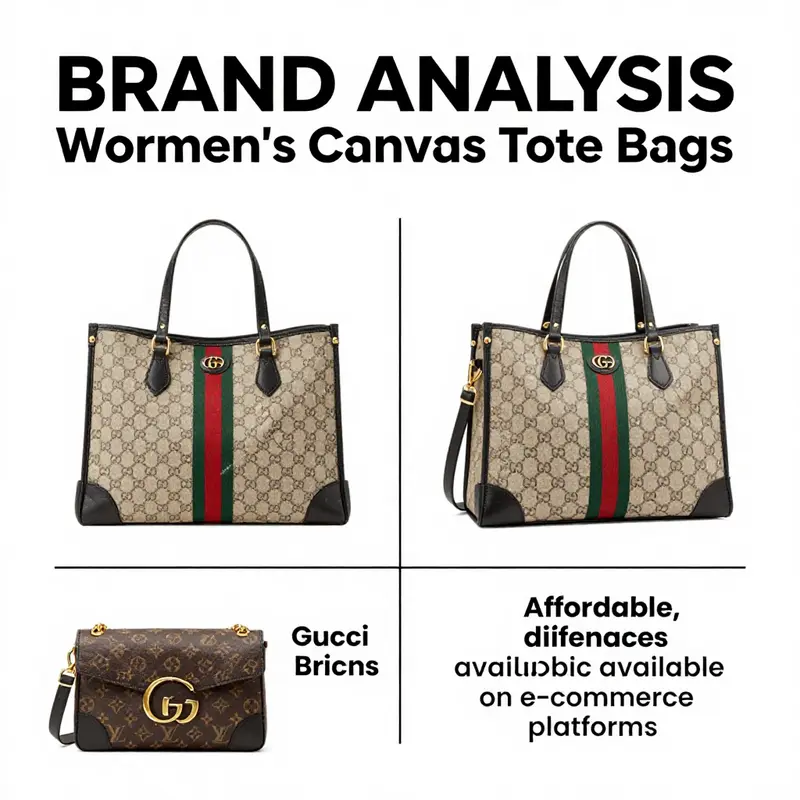
Luxury iterations of the canvas tote have expanded the definition of what a practical bag can be. Within high fashion, the canvas tote is no longer an afterthought or a purely functional piece. It is redesigned as a core product, one that borrows the precision and longevity associated with more formal lines while preserving the ease of use that makes it a daily essential. The design language at the top end speaks to a refined, enduring sensibility: premium materials, clean lines, and subtle hardware that glint without shouting. Canvas provides the perfect base for this tension between discipline and ease. It serves as a quiet canvas for leather trims, metal accents, and precise stitching, all of which communicate a sense of craft and investment. In this context, a tote ceases to be simply a bag and becomes a statement about practicality meeting curated taste. The wearer carries not just belongings but a sense of confidence that comes from knowing a bag has been built to last and to adapt—from a morning meeting to an after-hours retreat, the same piece can transition with grace.
From the broader design philosophy emerges a bridge between luxury and everyday use. A luxury labeled tote often uses canvas as a durable shell that can be paired with leather, metal hardware, and a structured interior, offering a refined silhouette without sacrificing capacity. The result is a bag that people can reach for with the calm certainty of a trusted tool and the subtle thrill of owning a piece with a sense of purpose. The emphasis on durability is not merely about resisting wear; it is a statement about longevity and value. In a world where style cycles can feel ephemeral, the canvas tote offers a continuity that many other fashion accessories lack. It is a reminder that useful items can also be crafted with intention and artistry, and that everyday rituals can hold a quiet elegance when the gear we choose is designed with care.
Yet the market does not rely on a single narrative of luxury alone. At the everyday end, brands center resilience, comfort, and ergonomic practicality. The tote is conceived to be light enough in weight to wear comfortably for hours, yet robust enough to carry what the day requires. This often translates into features that matter in real life: reinforced seams to handle heavy loads, a base that remains steady when the bag is set down on busy streets, and interior organization that keeps a wallet, phone, notebook, and groceries in their own places. The color stories tend toward versatility, with hues that pair easily with denim, workwear, or weekend whites. Prints—ranging from abstract motifs to nature-inspired patterns—offer a way to express personality without shouting. In this space, the canvas tote becomes less about status and more about reliability. It is a tool that supports the rhythm of a life lived openly, not a contrived prop for a curated moment.
Culturally, the tote has become a canvas for broad conversations about sustainability, craft, and community. The rise of custom printing and artisanal methods allows designers and makers to embed meaning into the fabric, whether through culturally resonant motifs, collaborations with local artists, or regionally inspired textures. The tote thus functions as a micro arena where social values, aesthetics, and practical needs meet. It can celebrate a small studio practice or a large batch of thoughtful production, all while maintaining a level of wearability that makes it a daily companion. For many consumers, purchasing a canvas tote is not merely about adding a new accessory but about endorsing a philosophy of consumption that prioritizes durability, reuse, and a sense of stewardship for materials and labor. This shift has transformed the canvas tote from a disposable convenience into a respectful partner in everyday life, a symbol of mindfulness as much as of style.
Care and longevity become part of the conversation, not afterthoughts. Canvas needs air and occasional cleaning, a simple ritual that preserves its texture and color. When a tote is kept clean and stored properly, it ages with the user, acquiring a patina that signals time well spent in its service. The interior lining and pockets play a practical role as well, guiding the owner to keep essential items at hand and reducing the strain of rummaging through a cavernous interior. A well designed tote encourages balance—enough capacity to be useful, enough structure to hold its shape, and enough detail to feel thoughtful without being fussy. The result is a bag that supports a busy life with ease, a companion that you do not have to manage so much as respect for its companionship. In conversations about what makes a tote worth keeping, the canvas option often rises to the top precisely because it invites this kind of mutual regard—user and bag growing together over time.
For readers exploring the breadth of options, there is value in surveying the spectrum without surrendering to the lure of novelty alone. The canvas tote offers a high ceiling for personalization with a lower floor of practicality, which means that one bag can serve many contexts. It can be a commuter tool, a travel companion, a market partner, or a casual day bag that does not require a separate vacation kit. Its adaptability lends itself to a wardrobe philosophy that prizes multi-functionality over rapid trend shifts. This is not a rejection of luxury or design energy; it is a recognition that the most respectful fashion choices are those that endure. If you are seeking a collection that spans the spectrum from luxurious refinement to everyday utility, you can find a broad range of options that match different priorities and budgets. For a broader sense of the spectrum, explore the collection of women’s canvas tote bags.
As the story of the canvas tote continues, the lines between fashion and function continue to blur in productive ways. Designers and makers experiment with lighter, more sustainable fabrics, with coatings that resist moisture without sacrificing texture, and with silhouettes that maximize accessibility while maintaining a sense of polish. The outcome is a bag that feels current without becoming hurriedly outdated, a type of accessory that can adapt to evolving lifestyles and different aesthetic tastes. The canvas tote embodies a practical ideal: a piece that remains useful across seasons, reflects the wearer’s values, and carries a narrative that is as much about daily life as it is about style. In that sense, the bag is not simply a container for belongings but a portable, moving piece of the modern wardrobe—one that can travel from a morning airport line to a late-night conversation with equal ease.
External reference: https://www.gucci.com/us/en/
Enduring Canvas, Everyday Purpose: The Sustainability Story of Women’s Tote Bags

Canvas tote bags have quietly become a staple of modern wardrobes, valued for their sturdy fabric, generous capacity, and timeless silhouettes. But behind their everyday practicality lies a narrative of sustainability that resonates with a growing audience seeking responsible choices without sacrificing style. The material—the tightly woven cotton or cotton-blend canvas—lends itself to durability that outlives many synthetic alternatives. A tote built from well-constructed canvas can bear the wear of daily errands, long commutes, and weekend getaways while maintaining its shape and texture. This resilience translates into less frequent replacement, which in turn reduces the volume of waste that often accompanies cheaper, less durable options. In a world increasingly conscious of resource use, those who choose canvas tote bags are embracing a design philosophy that prizes longevity over disposability. The result is a practical accessory that complements minimalist routines and busy lifestyles alike, a dependable partner for coffee, notes, groceries, and travel documents alike.
What makes canvas particularly compelling from an eco-conscious perspective is its end-to-life trajectory. Canvas is firmly rooted in natural fibers, and its end of life tends to be simpler to manage than many synthetic materials used in bags. When a canvas tote reaches the end of its usable life, there are pathways for reuse, repair, or responsible disposal that align with circular economy principles. While no material system is perfect, canvas offers a relatively straightforward option for extending product life and reducing landfill burden. The environmental edge comes not only from the material itself but from how people use and care for the bag over time. A piece that endures through seasons of weather, fashion shifts, and daily variables becomes not just a bag but a small practice in sustainable living. Keeping canvas clean and dry, avoiding harsh chemical cleaners, and choosing storage that preserves its shape all contribute to a longer, more responsible life for the item.
Market trends underscore why canvas remains a front-runner in the reusable bag category. Recent industry observations note canvas’ strong position within the global tote market, driven by its adaptability and comparatively low environmental footprint during production. Consumers are drawn to the fabric’s versatility, which spans casual weekend wear to more refined, office-ready ensembles when paired with the right hardware and colorways. The color palettes range from soft neutrals to bold hues, and the patterns vary from clean solid tones to understated textures. This flexibility means a single bag can serve multiple settings, reducing the need for separate bags for different occasions. Importantly, the material also accommodates innovations in sustainability, including organic or heavy-duty variants that respond to a demand for greener options. Such variants offer a credible route for shoppers who want to align quantity with quality—more product life, less waste, and a style that remains relevant across years rather than seasons.
The appeal of canvas also lies in its honest aesthetics. It does not rely on elaborate finishes to communicate value. The tactile feel of natural fibers, the slightly rugged texture, and the way color settles into the weave all contribute to a look that stays fresh without chasing fleeting trends. This beauty is not about flashy statements; it is about everyday elegance—an understated canvas that supports a polished, professional, or casual look. In this way, the bag becomes more than a utility item. It acts as a small, personal statement about values—an intention to purchase with a sense of responsibility and to invest in something that will endure. The design language of canvas bags often centers on practical features that heighten usefulness: reinforced seams, broad straps that sit comfortably on the shoulder, roomy interiors, and thoughtful pockets that keep items organized without sacrificing simplicity. Such design choices extend beyond form; they speak to a lifestyle committed to reducing friction in daily routines and to maximizing the value of each purchase.
From a lifecycle perspective, the care cycle of canvas totes matters as much as the initial purchase. Routine maintenance, like brushing out dirt after a spill, spot-cleaning with mild soap, and air-drying away from direct heat, preserves the fabric’s integrity. When accessories like zippers, hardware, or straps show signs of fatigue, small repairs can often restore function without needing to replace the entire bag. This approach aligns with a broader mindset that values repairability—recognizing that the overall environmental impact of a product can be significantly mitigated by extending its service life. Consumers who treat their bags as durable, daily companions are less likely to impulse-replace them in response to minor wear. The result is a more mindful cycle of use, where each bag travels through a long life with a smaller ecological footprint than many disposable options. Part of this mindfulness is the recognition that a well-made canvas bag can adapt to changing routines. It can serve as a work bag one day, a travel carry-on another, and a shopping companion on weekends without needing multiple specialized pieces.
A closer look at the category reveals a spectrum of choices designed to fit different life stages and values. Organic canvas variants respond to concerns about farming practices and chemical use in textile production, while heavy-duty canvases are optimized for load-bearing tasks and extended wear. The capacity to tailor a single bag to diverse contexts—light day trips or full-day markets—reduces the number of items a person must own, a small but meaningful step toward simpler consumption patterns. For those who want a balanced blend of function and flair, the palette and patterns give room to express personality while still embracing sustainability. In addition, the broader fashion ecosystem has begun to recognize the importance of durable basics as a foundation for responsible wardrobes. This shift, reflected in styling guides and outfit planning, encourages consumers to invest in staple pieces, not fleeting novelty, which aligns with the ethos of long-lasting, versatile canvas bags.
The strategic value of canvas is also evident in how it supports responsible shopping behaviors. Reusable bags, by design, reduce reliance on single-use alternatives. A well-chosen canvas tote that persists across seasons becomes a reliable alternative to disposable carriers during grocery runs, daily commutes, and weekend excursions. When paired with smart routines for packing and organization, the bag supports a lifestyle that minimizes waste and maximizes convenience. The mental model here is simple: invest in one bag that can do many jobs well, rather than chasing a variety of specialized containers that contribute to clutter and waste. This mindset aligns with broader environmental goals while preserving the personal joy of owning a bag that looks and feels right for the individual. For readers seeking a more direct look at this category, a practical overview can be found at Women’s Canvas Tote Bags. Here the range of options, colors, and textures reflects how modern canvas bags balance durability with fashion-conscious details, enabling a seamless blend of practicality and style.
To round out the sustainability narrative, it is useful to consider the production standards and how they intersect with consumer choices. Responsible sourcing, reduced water usage, and transparent supply chains are increasingly important to shoppers who want to understand where their items come from and how they are made. The availability of organic and heavy-duty canvas variants demonstrates that producers can innovate while maintaining a clear environmental focus. In practice, this means bags that can withstand daily use without resorting to wasteful manufacturing cycles or fast-fashion turnover. The combination of durable materials, adaptable design, and ethical considerations offers a compelling value proposition for those who value longevity and responsibility in their purchases. The result is a product category that earns its place not only in wardrobes but in conversations about how fashion can be both stylish and considerate.
For readers who want to explore further on this topic, an external resource that surveys canvas tote production and sustainability considerations provides a broader context for these choices. The overview emphasizes how canvas can be part of a resilient, eco-aware lifestyle, with attention to material life cycles and market practices that favor lower environmental impact. External resource: https://www.alibaba.com/showroom/canvas-tote-bag.html
Durable by Design: How Minimalist Canvas Tote Bags Are Reshaping Markets, Style, and Everyday Economics
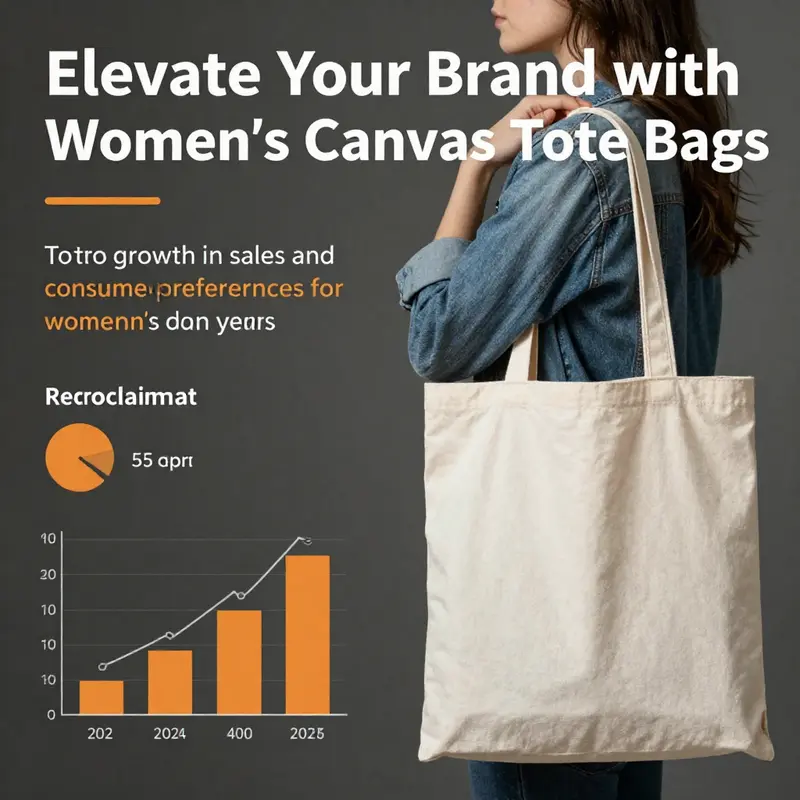
The rise of a simple, sturdy everyday staple is rewriting more than wardrobe choices. Canvas tote bags, especially the women’s varieties, sit at the intersection of practicality, sustainability, and design savvy. Recent industry estimates frame a broader tote bags market growing at a compound annual rate of about 14.1 percent from 2026 to 2033, with the canvas segment expected to command roughly 26.7 percent of the market by 2035. Numbers like these are more than math; they signal a recalibration of consumer values and business models. Durable, lightweight, and highly functional, canvas totes have proven to be enduringly relevant in daily life while also serving as a canvas for personal expression. They carry groceries, laptops, notebooks, gym gear, and impulse buys with a ease that few other carry options can match. The material itself—natural fiber, open weave, and the possibility of varied finishes—gives designers latitude to balance ruggedness with refined aesthetics. In short, canvas totes are not merely bags; they are portable platforms for living, working, and moving through cities with a sense of purpose that resonates with many modern consumers.
The market’s expansion is more than a trend driven by fashion press or influencer aesthetics. It reflects a broader shift toward sustainability and material resilience. In an era when single-use plastics are increasingly scrutinized and shoppers seek durable replacements, canvas totes represent a practical commitment to reducing waste. The eco-conscious appeal is not a marketing prop but a functional choice that aligns with everyday routines. A tote that lasts years without losing shape or color becomes both a cost saver and a statement about a buyer’s values. This alignment of utility and responsibility helps explain why canvas totes have grown from niche accessories into mainstream essentials across a wide range of price points and retail channels.
To understand why the category resonates, consider the everyday geometry of urban life. A tote that can fold into a desk drawer yet still hold a week’s worth of groceries, a laptop, and a changes of clothes for a weekend trip is more than convenient—it reduces friction in daily schedules. For many shoppers, a canvas tote is the first real substitute for disposable shopping bags. It is a reusable commitment that travels from bus stop to desk, from farmers’ market to after-work errands without demanding constant replacement or repair. In this context, the craft aligns with a culture that prizes transparency, durability, and quiet confidence. The aesthetic leans toward minimalist elegance: clean lines, high-contrast typography on natural canvas, and restrained color palettes that work across seasons and outfits. This minimalist ethos does not erase personality; it elevates it. When a bag carries a subtle message or a botanical motif—printed with a careful eye for color and balance—the tote becomes a wearable statement about one’s stance toward consumption and design. The trend is unmistakably digital-native in its pace. Brands are testing new textures, finishes, and interior configurations with online feedback loops that shorten cycles from concept to shelf. The result is a velocity that feels both agile and deliberate, reflecting a market that values both speed and integrity.
From the production perspective, canvas totes benefit from scalable manufacturing that supports bulk pricing while preserving quality. Market data point to wide-ranging cost efficiencies at scale—illustrative figures suggest unit costs can dip to around $0.65 per piece for large orders in the five- to ten-thousand-unit range. This economies of scale matters not only for retailers positioning themselves against fast-fashion competitors but also for organizations seeking branded merchandise with lasting impact. The ability to offer a reliable price-per-unit is a backbone of growth for both independent studios and larger retail ecosystems. It makes canvas totes viable as corporate gifts, conference swag, campus gear, and event merchandise without sacrificing durability or style. In practice, this means that a student club, a nonprofit initiative, or a regional business can curate a coordinated kit that feels thoughtful rather than disposable. At the same time, luxury fashion houses are contributing to the market’s economic texture, pushing the boundaries of what a canvas tote can be when paired with premium materials and iconic motifs. In these high-end offerings, the bag ascends beyond mere utility to become a discreet, status-inflected accessory, priced in a range that signals exclusivity and design sophistication. These premium options reinforce the tote’s place as a cultural artifact, a symbol of taste and discernment, even as the bulk of the market remains grounded in practicality.
The consumer base for canvas totes is varied, yet certain archetypes influence the direction of product development. Eco-conscious Millennials and urban professionals often gravitate toward clean silhouettes and high-quality materials, prioritizing longevity and reparability over fleeting novelty. The minimalist design language—often featuring bold, legible messages printed in natural-toned canvas—appeals to those who want to carry meaning without shouting. Brands have responded by pairing subtle slogans with premium fabrics, a combination that signals responsible confidence rather than conspicuous consumption. Yet the same category also thrives on more expressive expressions. Botanical prints, nature-inspired illustrations, and seasonal color stories offer a counterpoint that captures the appetite of shoppers seeking a more personal or uplifting aesthetic. The balance between minimalism and expressive design is delicate, but when executed with proportion and restraint, it broadens the tote’s appeal across diverse wardrobes and occasions.
The operational landscape behind these products is nuanced. Online shopping continues to shape how consumers discover and evaluate totes. Detailed product descriptions, precise material specifications, and transparent customer reviews have become non-negotiable signals of trust. For shoppers who cannot physically inspect a bag before purchase, these cues determine whether a tote’s fabric weight, weave, or finishing processes will meet expectations. The canvas weight, closure type, interior organization, and strap reinforcedness all influence perceived value and real-world performance. As such, brands and retailers invest in clear, consistent communication that supports informed decisions and reduces post-purchase disappointment. It is not merely a matter of marketing; it is a function of customer satisfaction, repeat business, and sustainable growth. The result is a more mature market where the best offerings pair practical utility with refined aesthetics, and where the customer’s sense of confidence grows with every click and scroll.
To place the current moment in a broader context, consider how the product category positions itself within a burgeoning ecosystem of tote-focused retailers and fashion houses. A person exploring options might look at a diverse range of silhouettes—from airy, unstructured totes to more structured forms with reinforced bases and padded laptop sleeves. This range ensures that the canvas tote can function across a spectrum of roles, from a daily work bag to a weekend carryall or a shopping companion during a lengthy commute. In many ways, the tote becomes an anchor for a wardrobe that is economical in its maintenance yet expansive in its utility. The design challenge for makers is to maintain that sense of durability while embracing innovations in hardware, linings, closures, and ergonomic features that improve weight distribution and user comfort. The economic impact of such innovations is tangible. As brands invest in better seams, abrasion resistance, and sustainable dyes, the cost structure shifts slightly toward higher-value propositions. Yet the payoff is a more resilient product line that sustains consumer trust and extends bag lifetimes, reducing the need for frequent replacements.
For readers curious about how the ecosystem translates into everyday shopping, consider the growing body of options that lives at the intersection of online retail and brand storytelling. A coherent line of products—reusable totes that can be zipped, totes designed with built-in laptop sleeves, and fashion-forward prints that retain their appeal after multiple washes—hardly signals a fad. Rather, it signals a durable shift toward responsible, versatile accessories that can ferry people through work, travel, and leisure with equal ease. When a consumer encounters a tote that promises durability, design coherence, and a narrative about sustainability, the purchase becomes an assertion of lifestyle, not merely a transaction. In this sense, the canvas tote is a small but telling indicator of larger market dynamics: a consumer base that values practical, well-made items and a supply chain capable of delivering them at scale while staying mindful of environmental impact.
For those exploring current options and the broader market implications, the ecosystem around women’s canvas tote bags illustrates how design meets function in a way that resonates with contemporary life. The conversation around these bags is not only about aesthetics or price, but about the alignment of product quality, environmental responsibility, and everyday utility. As such, the canvas tote offers a practical promise that endures across seasons and price tiers: a reliable receptacle for daily life that can be counted on to perform, adapt, and speak to an individual’s values. The economic footprint of this category continues to widen as more players enter the market, reinforcing the tote’s status as a modern staple with genuine staying power.
External context helps complete the picture. For readers looking to ground these observations in broader industry analysis, industry researchers note that the tote bags market, including the canvas segment, is expected to expand significantly through the mid-2030s, driven by scalable manufacturing, brand differentiation through material and finish, and consumer emphasis on reuse and responsible consumption. This trajectory suggests that the canvas tote will not merely ride a trend but will continue to evolve as a durable, adaptable, and desirable component of everyday life. For a deeper dive into market size, shares, trends, and forecasts, see Global Market Insights’ comprehensive report on tote bags.
Final thoughts
Women’s canvas tote bags are more than just a functional accessory; they represent a significant intersection of style, sustainability, and practicality. As consumer desires shift toward eco-friendly products, understanding how to effectively market these bags can position businesses favorably in a competitive landscape. By harnessing current fashion trends, addressing diverse consumer needs, and emphasizing sustainability, brands can enhance their visibility and connection with their audience. Ultimately, investing in women’s canvas tote bags could prove essential for businesses looking to thrive in today’s evolving market.