
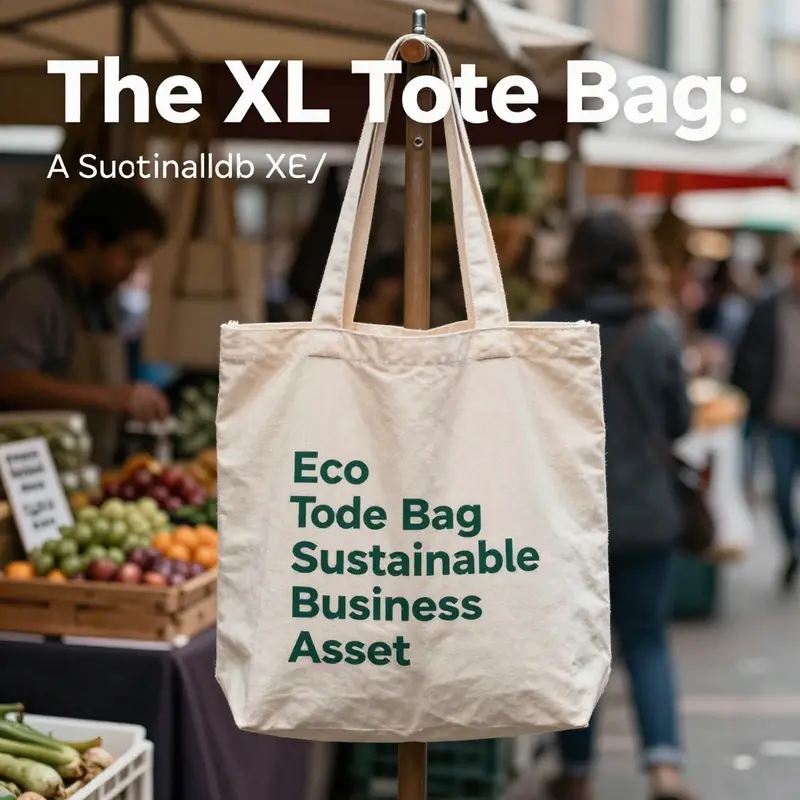
As consumers increasingly prioritize eco-friendly products, the XL canvas tote bag has become a staple in sustainable fashion and a powerful marketing tool for businesses. With its spacious design, durability, and minimalist aesthetic, the XL tote not only meets practical needs but also aligns with modern values. This article explores the key features, diverse uses, and emerging market trends surrounding the XL tote bag, showcasing how it can serve as both a functional accessory and a symbol of environmental responsibility for your brand. By understanding these elements, business owners can leverage the XL tote bag to enhance their offerings and appeal to a conscious consumer base.
The Anatomy of the XL Tote Bag: Features That Shape Modern, Sustainable Everyday Carry
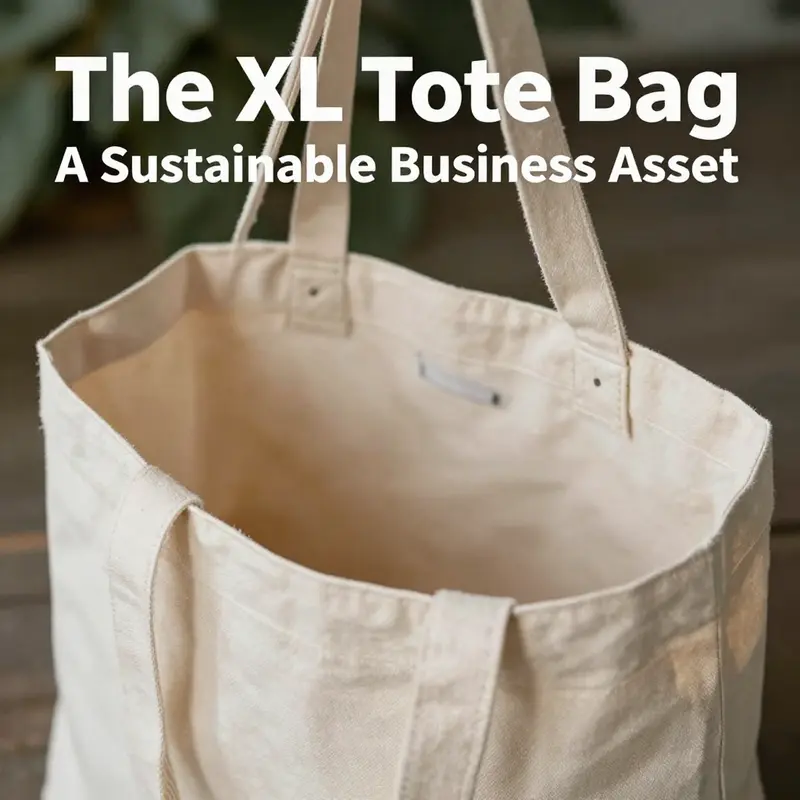
The XL tote bag has evolved beyond a simple repository for goods into a deliberate statement of how fabric, form, and function can cohere in a single, versatile accessory. When we examine its features as a whole, we see a crafted balance between spacious practicality and restrained elegance. This is not merely about capacity; it is about how a carryall can support a life with fewer choices and more confidence. The design ethos behind the XL tote emphasizes a clean, minimalist silhouette, a capacity that accommodates the everyday and the unexpected, and finishes that signal durability without shouting. In this light, the XL tote becomes a touchstone for modern, sustainable fashion, a piece that remains relevant whether worn with a tailored blazer on a commute or slung over a beach chair on a weekend escape. Its architecture—spacious interior, reinforced handles, secure closures, and eco-conscious details—speaks to a philosophy: fewer bags, better bags, lasting through seasons and habits alike.
At the core lies a generous interior that sets the stage for day-to-day rituals. A truly functional XL tote invites you to organize rather than improvise. It offers enough room to cradle a laptop, notebooks, a lunch container, or a change of clothes after a long day. Yet it does so with a sense of restraint, avoiding the clutter that smaller bags often force upon their owners. The interior is not a cavernous black hole but a designed space, with thoughtful proportions that guide what you carry and how you reach for it. This is why the material choice matters as much as the layout. When the interior is lined with a smooth, durable fabric and the seams are reinforced, the bag becomes a trusted companion rather than a fragile vessel that quickly shows wear. The result is not simply about fitting objects inside; it is about ensuring those objects are supported by a structure that can absorb daily stress, protect fragile items, and return to its shape after a heavy session in a crowded train or a bustling marketplace.
The materials that shape the XL tote are telling of its dual commitment to luxury and longevity. In some explorations of premium variants, designers experiment with combinations such as cashmere, natural canvas, and cashmere-lined leather—choices that signal a certain elevated mood and tactile pleasure. These materials, while striking in their textures and warmth, remind us that the best tote is not a single-use accessory but a craft product designed to endure. The more practical, widely adopted configurations tend toward organic cotton canvas, hemp blends, and even upcycled textiles. Each choice carries its own fingerprint on sustainability: organic cotton canvas speaks of biodegradability and a lower environmental footprint; hemp canvas offers exceptional strength with a smaller ecological toll; upcycled denim or recovered fibers celebrate waste reduction without compromising durability. In this spectrum, the XL tote serves as a canvas for values as much as for items, inviting wearers to weigh beauty against impact and to choose pathways that align with personal and planetary health.
A defining aesthetic thread runs through the XL tote—the minimalist silhouette that refuses to shout while promising to accompany every ensemble. Clean lines and neutral palettes—think beige, black, navy, and olive—create a versatile backdrop for personal expressions, from a crisp office look to a casual weekend outfit. The bag’s exterior is typically unadorned, but the finish matters: the surface is treated to resist stains and wear, the edges are carefully bound to prevent fraying, and the hardware is selected for longevity. It is in these details that the bag communicates a quiet confidence. An iconic design element often cited in trend forecasts is a sun-gold clasp—a warm, gold-tone hardware that adds a touch of elegance without compromising practicality. This clasp, when integrated with heavier fabrics and reinforced attachments, remains functional after countless zips, openings, and close encounters with busy city life. The result is a timeless quality, a carryall that does not chase fashion trends but rather embodies an enduring elegance grounded in solid construction.
Durability and comfort are not sacrifices in the pursuit of beauty. The XL tote’s handles and straps receive particular attention because they bear the brunt of daily use. Reinforced straps—crafted from thick canvas or sturdy webbing—embrace heavy loads with minimal strain on the wearer’s shoulders. The goal is a balance between grip and movement; the handles must feel comfortable on the hand and shoulder, even when the bag is packed to capacity with work gear, groceries, or travel essentials. When you test a bag under real-world conditions, the difference between a sturdy tote and one that yields under pressure is immediately apparent. The reinforced construction, along with double-stitched seams and secure rivets, contributes to a longer life, which in turn amplifies the bag’s sustainability by reducing the frequency of replacements.
Security features have grown alongside capacity and comfort. Modern XL totes increasingly incorporate zipper closures or zipper compartments that secure valuables—and the choice of closure design often reflects the user’s daily rhythm. A front or internal zipper adds a practical layer of protection for phones, wallets, keys, or documents, especially in transit or crowded spaces. This design choice mirrors a broader movement toward functionality without sacrificing style. For readers who want to explore practical implementations, a deeper dive into zippered tote options is worth considering; see the evolution of tote bags with zippers and how they harmonize security with ease of access. The combination of secure closures with the bag’s generous interior creates a carry that is as safe on the subway as it is at the farmers’ market.
An often overlooked but essential attribute of the XL tote is its ecological embellishments. Designers routinely incorporate eco-conscious touches that do not compromise aesthetics. Natural dyes, recycled stitching threads, and biodegradable labels are increasingly visible across collections. These touches are more than a nod to sustainability; they are a promise that the bag’s outward simplicity aligns with a careful approach to materials sourcing, production waste, and end-of-life outcomes. Embellishments, when they exist, are subtle and purposeful, turning a practical object into a statement about responsible consumption. In this way, the XL tote becomes a portable manifesto for eco-aware living: you carry your daily needs while carrying forward a set of choices that respect the environment.
The XL tote’s versatility extends beyond its interior. The bag’s shape accommodates a diverse range of settings—from the structured environment of a workspace to the relaxed atmosphere of a weekend beach outing. For a professional setting, the structured tote with a slightly stiffer profile maintains an upright silhouette that communicates organization and readiness. For casual days, the classic slouchy tote, with its softer drape, offers freedom of movement and an effortless kind of chic. The number of variants—logo-emblazoned, convertible, insulated, or simply zippered—allows each wearer to tailor the bag to their life. The convertible option, in particular, is a thoughtful nod to modern mobility: removable straps can convert the tote into a backpack or crossbody, enabling hands-free movement during commutes or travel. This adaptability resonates with a lifestyle where spontaneity and practicality walk hand in hand.
As with any long-term purchase, the value of the XL tote rests on more than initial impressions. Its sustainability story is anchored in longevity, which reduces the need for frequent replacements and the downstream waste that accompanies disposable options. A durable bag that lasts for years translates to lower overall environmental impact when compared with inexpensive containers that may fail after a season. The economic calculus aligns with ecological sensibility: while the upfront cost of a well-made tote may be higher, the long-term savings come from repeated use, repairability, and the ability to adapt to changing needs without purchasing additional containers. This is a tangible example of how one accessory can influence daily behavior toward more mindful consumption. To a consumer who keeps a tote for many seasons, the decision becomes not merely about price but about reliability, quality, and the assurance that one bag can carry a multitude of chapters in life’s ongoing story.
The XL tote’s influence on behavior is reinforced by a broader market trend toward transparency and customization. Contemporary shoppers increasingly seek brands that reveal supply chains and labor practices, often through QR codes or clear labeling. A tote that demonstrates ethical sourcing and fair-trade production speaks not only to the product’s quality but to the story it tells about the people who made it and the communities involved in its creation. Customization and limited-edition collaborations continue to expand the bag’s appeal, inviting wearers to connect with artists or environmental nonprofits in ways that personalize the accessory while amplifying a shared commitment to sustainability. In this sense, the XL tote becomes more than a tool; it becomes a platform for identity, values, and a collective effort toward responsible consumption.
In contemplating the various types of XL totes, it is useful to recognize a spectrum rather than a rigid taxonomy. The classic slouchy tote favors a relaxed, everyday vibe and folds into casual routines with ease. The structured tote, by contrast, keeps its shape and projects a professional demeanor, proving that a single bag can traverse office and after-hours contexts with a subtle shift in styling. Logo-emblazoned totes reflect fashion-forward sensibilities, while insulated totes acknowledge the practical need to keep food and beverages at stable temperatures during long days away from home. The zippered tote, with its practical closure system, speaks to security for wallets and documents during travel or commutes. Each variant preserves a core essence—the generous capacity that invites a daily ritual of organization—while offering a distinct personality that aligns with different lifestyles. This synergy of form and function is what makes the XL tote a durable staple rather than a niche purchase.
The materials that animate these designs reveal a thoughtful balance between sustainability and performance. Organic cotton canvas remains a cornerstone for many totes due to its breathable, sturdy, and biodegradable characteristics. Hemp canvas offers exceptional strength with low environmental impact, a compelling option for users who value long-term resilience. Upcycled denim or other repurposed fabrics celebrate circularity by transforming waste into a new, useful form, while emerging fibers like palm leaf or banana fiber point toward innovative, compostable solutions. Recycled polyester, though not fully biodegradable, can deliver moisture resistance and durability with a smaller carbon footprint when produced responsibly. Each material choice contributes a different texture, weight, and behavior in wear, and the best totes often blend these attributes to achieve a balanced, adaptable product that can gracefully age with use.
In practice, the XL tote’s features converge to support a day that flows from home to work to a late-afternoon errand and back again. The spacious interior accommodates a laptop and charger, a notebook or tablet, a gym change of clothes, and perhaps a purchase from a midweek farmers’ market. The reinforced handles distribute load across the shoulder, reducing fatigue during a long commute. A secure zipper compartment protects a phone or wallet during crowded transit, while the overall minimalist aesthetic ensures the bag remains a versatile backdrop for any outfit, from monochrome suiting to pared-down casuals. The eco-conscious embellishments reinforce that beauty and responsibility can coexist in a single product. This is not an arbitrary pairing; it is a deliberate architectural choice—an integrated system designed to support daily life without compromising ethics or style.
From a shopper’s perspective, the decision to invest in an XL tote often hinges on the perceived balance between cost, durability, and usefulness. The broader market narrative supports the idea that higher upfront investment in a responsibly made bag yields greater returns over time through durability and reduced waste. This is not merely a marketing claim but an observable pattern: consumers who commit to a high-quality tote frequently report fewer bag replacements, more consistent use across settings, and a sense that their everyday carry aligns with their environmental values. As wearers become more discerning, they increasingly recognize the tote as a partner in daily rituals rather than as a disposable accessory. The bag’s capacity to adapt to various tasks—work, travel, shopping, or leisure—cements its status as a truly multipurpose item, a hallmark of modern sustainable fashion that respects both personal needs and planetary limits.
In closing, the XL tote bag embodies a philosophy of design where form serves function and sustainability anchors beauty. Its features—spacious interiors, durable handles, secure closures, minimalist aesthetics, and thoughtful eco-embellishments—converge to produce a carry that is as responsible as it is resilient. This is a wearable artifact of contemporary life: a bag that can weather the day’s demands while staying faithful to a set of ethical choices and a timeless sense of style. Whether you are navigating a crowded city, loading groceries for a week’s meals, packing for a weekend away, or simply organizing your daily essentials, the XL tote offers a dependable, elegant solution that respects both the buyer and the world they inhabit. For readers who want to explore practical implementations further, consider the extension into zippered configurations, which combine security with ease of access in a single, versatile design. It is in this convergence of utility and refinement that the XL tote reveals its true potential, inviting you to carry not just goods but a lifestyle—careful, capable, and conscious. And as fashion continues to forecast new directions, the XL tote stands as a steady reference point for those who seek durability without compromise. For broader context on how designs like this are evolving in 2025, see Fashion Network’s 2025 Trend Forecast: XL Tote Bag Designs.
Further reading and practical examples can be found in a range of sources that discuss tote versatility, material choices, and care tips for extending life. For a closer look at how different styles translate to real-world use, you might explore resources that analyze tote categories and their daily applications, such as those focused on canvas and tote configurations, which offer a useful lens on how these bags perform in everyday life. As you weigh options, keep an eye on features that matter most to you—interior organization, closure security, strap comfort, and materials that align with your values—and you will likely arrive at an XL tote that not only carries your belongings but also carries your principles forward into each new day.
External reference: Fashion Network – 2025 Trend Forecast: XL Tote Bag Designs
Carrying Change: The XL Tote Bag as a Practical Canvas for Work, Life, and Sustainable Style
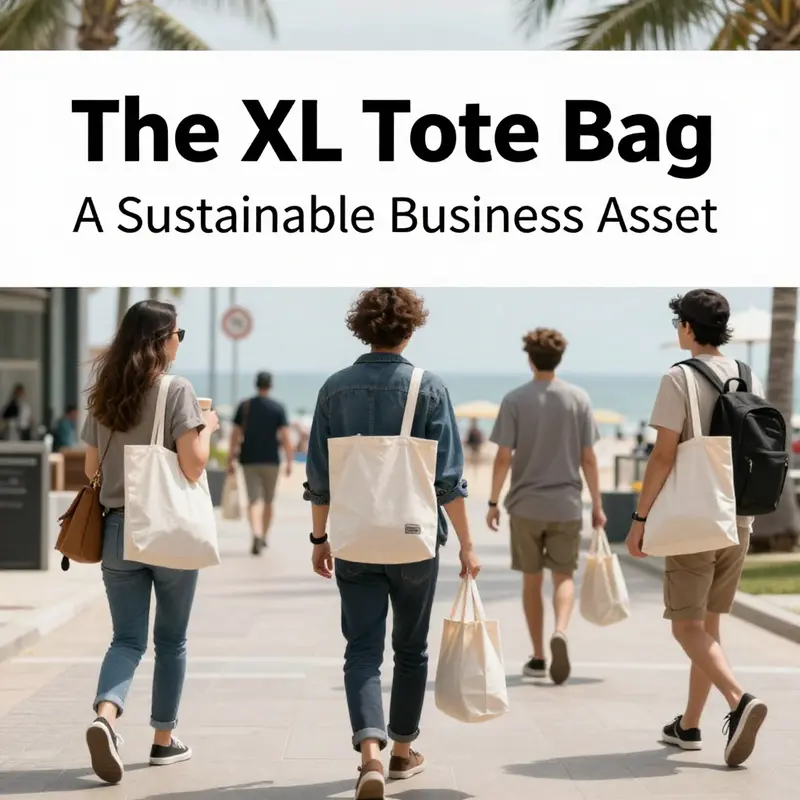
The XL tote bag has quietly become a staple in contemporary wardrobes, where practicality meets minimalism and purpose. It is not merely a larger version of a pocket-friendly carrier; it is a deliberate design response to how people organize busy days that span commutes, offices, markets, and weekends. The oversized silhouette offers a generous interior that can cradle laptops, notebooks, and documents, while also accommodating a change of clothes, a gym outfit, or a small weekend haul. It is the kind of everyday carry that asks for little fuss but rewards it with enormous flexibility. In this sense, the XL tote is less a fashion statement and more a functional companion that aligns with a growing ethos of mindful consumption. Its presence in a modern outfit signals a willingness to invest in items that endure, in materials that matter, and in a carrying system that simplifies life rather than complicates it. As a result, professionals who pack for meetings, travelers who move between hubs, and shoppers who prefer reusable options find in the XL tote a reliable ally that transcends weekly trends while quietly elevating the look of the day with its clean lines and neutral palette.
The material and construction choices behind the XL tote further deepen its appeal. Heavy-duty canvas, organic cotton, and hemp blends form the backbone of many high-quality models, balancing resilience with a sense of responsibility. The absence of disposable components in favor of durable stitching, reinforced handles, and thoughtful closures is not only a practical decision but a statement about how fashion can align with ecological values. In spaces where the zipper becomes a critical feature, the zippered variants provide security without breaking the bag’s minimalist ethos. A secure pocket for a phone, wallet, or keys can be tucked into an interior compartment or a discreet front zip, ensuring that essentials stay protected while the bag remains easy to access during a crowded commute or a busy day on the road. While some shoppers may worry about stiffness when bags are new, the right high-quality tote loosens with use, its fabric softening and its seams loosening just enough to glide across shoulders and forearms with ease. This process—the break-in—becomes part of the bag’s story, a small rite of passage that signals a commitment to long-term wear rather than quick disposal.
The XL tote’s popularity is not accidental. It rises in step with the demand for goods that combine environmental accountability with everyday practicality. The fabric choices matter here, because they determine not only how a tote wears and lasts but also how it behaves in different climates and daily routines. Organic cotton canvas with a clear GOTS certification represents one end of the spectrum, where breathability, biodegradability, and ethical production converge. Hemp canvas, with its robust performance and pesticide-free cultivation, offers an even lower environmental footprint while delivering exceptional durability. Recycled polyester blends add moisture resistance and lightness, though their end-of-life story remains more complicated than natural fibers. Upcycled denim and banana fiber blends represent the future-forward edge of sustainability, turning waste into texture and giving carry options a second life. A tote built from these materials becomes more than a bag; it becomes a mobile exhibit of sustainable choices, a visible reminder that everyday habits can contribute to broader environmental goals. Within this spectrum, brands are increasingly transparent about their supply chains, printing QR codes on packaging to reveal sourcing, labor practices, and certifications. This transparency is not a gimmick but a shift toward accountability that resonates with a generation accustomed to fact-based purchasing.
The practical uses of the XL tote stretch across the course of a typical day and beyond. For the daily commuter, it offers a single home for a laptop, lunch, a water bottle, a notebook or two, and perhaps a compact gym outfit for a post-work session. A structured interior helps items stay upright, while the minimalist exterior ensures the bag looks polished even when loaded. For grocery shopping, the XL tote replaces multiple plastic bags with a single, sturdy, washable carrier that can endure repeated trips to the supermarket and back. The large capacity is not a license to overfill; rather, it invites a mindful approach to what matters most—items that must be transported reliably and safely. At the beach or on outdoor adventures, the bag’s weight-bearing design and durable fabric make it a dependable keeper of towels, sunscreen, snacks, and a change of clothes without the fear of snagging or tearing. In gym and travel contexts, the tote transitions from a workspace to a leisure setting, proving its versatility by accommodating a change of clothes, a water bottle, a compact change of shoes, and even the occasional travel document or tablet. The bag’s flexible silhouette supports a range of shapes and sizes, so the contents are not forced into a rigid arrangement but instead adapt to the day’s needs.
In a broader sense, the XL tote embodies a shift toward functional luxury. The neutral color palettes—beiges, blacks, navies, olives—are chosen for their ability to pair with virtually any wardrobe, enabling the user to plan outfits around a single bag rather than maintain multiple matching accessories. This minimalist aesthetic does not surrender personality; rather, it invites a personal interpretation of the bag’s role in a look. A tote with a subtle logo or a refined finish communicates subtle confidence, while the absence of heavy branding allows the bag to harmonize with both subdued and statement outfits. For those who prize customization, some brands offer options that include monogramming or limited-edition textures, but the underlying design remains versatile and timeless, designed to outlive seasonal fads.
From a sustainability perspective, the XL tote’s long life is its strongest ecological argument. It is an investment that pays dividends over time. While initial costs may be higher than those of disposable alternatives, the tote’s durability translates into fewer replacements, less waste, and a smaller carbon footprint per use. The ability to repair or refurbish a tote at the end of its life—whether through a repair service, compatible accessories, or the repurposing of sturdy components—further extends its usefulness. This longevity is particularly meaningful in a system that often encourages constant replacement of items that seem functional enough but are not designed for resilience. The social dimension—ethical manufacturing practices, fair-trade production, and transparent supply chains—also matters. As consumers increasingly seek brands that demonstrate responsibility, the XL tote becomes a compelling vehicle for supporting ethical labor, sustainable materials, and responsible production methods. The conversation around the bag thus expands from individual function to collective impact, a shift that complements the broader movement toward responsible consumption.
The experiential value of owning an XL tote is another dimension that deserves attention. The bag’s scale invites a certain ease in daily rituals: the quick slide of a laptop into its sleeve, the sound of a zipper closing with a decisive click, the reassuring weight when fully loaded that signals the contents are protected. The tote’s interior layout can help cultivate organization without sacrificing spontaneity. A few thoughtfully placed pockets or dividers can turn a chaotic load into a manageable system, so a user can retrieve a charger, a notebook, or a snack with one smooth movement rather than rummaging aimlessly. This quality matters in meetings, airports, and busy streets, where time and calmness hinge on the ability to access essential items quickly. The bag’s exterior also performs a crucial role in social settings, serving as a neutral, refined backdrop that complements outfits without overpowering them. The simplicity of the design allows the wearer’s personality to take center stage, whether through color accents, the choice of accessories, or how the bag carries on a shoulder or in the hand.
No discussion of the XL tote would be complete without acknowledging consumer feedback. Across major retailers, the bag earns high praise for its sturdiness, capacity, and compatibility with a wide range of styles. Users often highlight that the tote “holds 20 pounds easily,” a testament to its reinforced handles and strong construction. The aesthetics receive praise as well, with many noting how the bag “goes with everything” and easily transitions from a professional setting to casual weekend activities. Environmental benefits are frequently mentioned, with shoppers appreciating the move away from single-use plastics and toward reusable, durable alternatives. Yet the feedback is not without nuance. Some buyers report a momentary stiffness when the bag is new, a natural trait of dense canvas or premium leather, which loosens with use. Others note that zipper durability can be challenged by overloading, underscoring the importance of mindful packing and mindful care. Overall, the chorus is positive, with many customers describing their XL tote as a long-term companion rather than a temporary purchase, a sentiment that aligns with the chapter’s emphasis on durability, longevity, and responsible purchasing.
Care and maintenance play a pivotal role in preserving the tote’s form and function. Regular cleaning with appropriate detergents and gentle drying preserves fabric integrity, while avoiding overloading helps prevent strain on seams and handles. For natural-fiber canvases, a light refresh with a fabric-safe cleaner can lift stains without weakening the material. If the tote features a leather or leather-like trim, conditioning the trim helps maintain suppleness and prevents cracking at stress points. Storage away from direct sunlight and in a breathable bag protects the fabric’s color and texture over time. The break-in period—allowing the fabric to soften and the seams to settle—should be expected, but a well-made tote should not require excessive breaking-in. The goal is a comfortable balance: a bag that feels ready for daily use yet remains resilient through countless cycles of loading and unloading. In this way, the XL tote becomes a partner in a sustainable wardrobe, its life extending through careful care and mindful use.
A larger cultural moment underpins the ascent of the XL tote, though it is not tied to any single label or collection. The trend toward larger, more functional handbags reflects a broader shift in how people want to carry their daily needs. A moment in popular culture—a public figure seen with an oversized, understated carrier—illustrates the appeal of a bag that communicates efficiency and taste without resorting to conspicuous branding. That moment helped blur the line between utility and elegance, showing that a practical, well-made tote can be a fashion staple as well as a daily must-have. The implication is clear: the XL tote is not merely an accessory but a workable philosophy—one that favors sustainable materials, ethical manufacturing, and a simple, timeless silhouette that can adapt as life evolves.
To connect this discussion to practitioners and enthusiasts alike, consider the ways in which the XL tote can be positioned within a broader wardrobe narrative. Its neutral foundation makes it an anchor piece for a capsule approach to dressing, where a single bag supports multiple outfits and occasions. It also invites collaboration with other sustainable design elements, such as reusable water bottles, compact nylon pouches for organization, or a lightweight foldable tote for even greater versatility on travel days. The bag’s adaptability makes it a central piece in a sustainable lifestyle, one that can be integrated into work routines, shopping trips, weekend escapes, and gym sessions without requiring a complete reorganization of accessories.
In terms of practical guidance for choosing the right XL tote, a buyer should weigh how much weight the bag is expected to carry on a regular basis and what kind of environment it will face. A heavy canvas with reinforced straps is ideal for daily commutes and travel where a laptop and lunch are standard. A zipper closure adds security in crowded spaces and supports a more formal environment by keeping contents inside with a decisive, clean line. If fashion flexibility is a priority, a structured tote can present a sharper silhouette for professional settings, while a classic slouchy tote can project a relaxed vibe for weekends. For those who value sustainability above all, a tote built from organic cotton or hemp and produced under transparent ethical standards aligns with a longer-term mindset about both personal use and planetary health. The choice becomes a statement of intent as much as a practical decision.
Internal linking note: for readers interested in exploring more about related bag styles and how they complement different wardrobes, see a wide range of styles in resources like women’s canvas tote bags. Such sources capture the breadth of options—from everyday carry to more refined silhouettes—showing how a simple tote can adapt to evolving style preferences while remaining anchored in sustainability. women’s canvas tote bags.
External resource: for a broader perspective on how oversized totes are shaping fashion trends and sustainability discourse, see Vogue’s guide to XL tote bag trends. This exterior insight complements the discussion here by situating the XL tote within a global fashion context and highlighting how editorial narratives influence consumer choices: Vogue XL Tote Bag Guide.
Carrying the Market: The Global Rise of XL Tote Bags and the Manufacturers Behind It
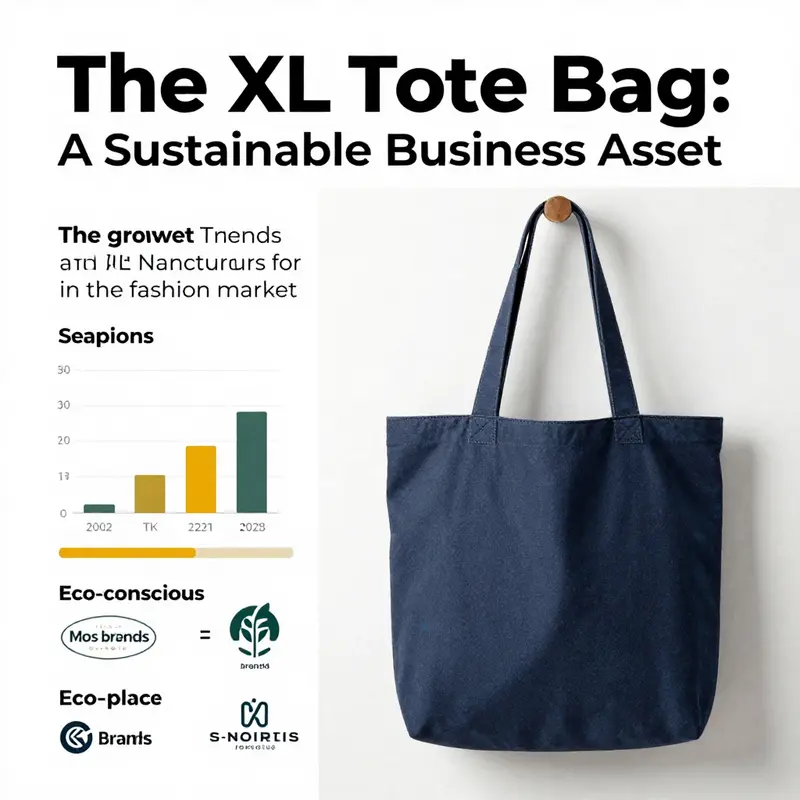
The market for extra large tote bags has moved beyond a niche accessory and into a category that intersects practical logistics, sustainability, and branding on a global scale. In industrial terms this space is sometimes described with the tongue in cheek label 265 gallon tote, a marketing shorthand that signals oversized capacity and rugged durability more than a precise measurement. In the real world, these bags are selected for their ability to move multiple roles at once: they shoulder work documents and laptops, groceries and gym gear, or travel essentials for short trips. The shift toward such capacious, reusable totes mirrors broader waves in contemporary consumption, where durability, repairability, and a transparent supply chain are valued as much as style. A sizable portion of the demand arises not only from individual shoppers seeking one bag that does it all, but from organizations running sustainability campaigns, campus programs, or promotional events that require a carryall with both presence and performance. The XL tote has thus evolved from a practical tool into a canvas for green messaging, corporate responsibility, and everyday efficiency.
Design language in this space has become intentionally minimalist and restrained. Clean lines, neutral palettes, and functional silhouettes dominate the shelves and online listings. This is not accidental; the aesthetic is chosen to maximize compatibility with a wide range of outfits and settings, from the casual to the professional. A bag that looks good with jeans, a blazer, or a printed dress is more likely to be reused repeatedly, reducing waste and strengthening the bag as a reliable daily companion. The palette tends toward oatmeal, moss green, terracotta, slate blacks, and deep navy, with the occasional olive or warm gray to offer a little tonal variation without sacrificing versatility. The messaging on these bags is often subtle, using negative space and restrained typography. When logos appear, they are usually understated, designed to complement the user’s own style rather than overpower it. This approach reflects the broader shift in sustainable fashion toward authenticity and subtle branding rather than loud statements, inviting the wearer to project meaning through usage rather than through conspicuous labeling. Within this framework, the tote becomes a personal canvas for mindful living, a practical device that quietly signals a preference for durability, repairability, and thoughtful consumption.
Material choices anchor both performance and sustainability in the XL tote category. Organic cotton canvas remains a foundational option, prized for breathability, strength, and end-of-life biodegradability. The organic route supports farmers and mills that adhere to strict ecological and social standards, and it pairs well with the bag structure to resist sagging under load while maintaining a slim profile when empty. Hemp canvas offers an alternative that often appeals to those who seek exceptionally durable fabrics with very low ecological footprints. Hemp grows quickly and requires fewer pesticides, and its fibers can produce a robust tote with a distinct, slightly textured hand that many wearers appreciate. Recycled polyester or other recycled fibers add moisture resistance and longevity while consciously diverting plastics from landfills, though this route comes with tradeoffs in terms of biodegradability. Upcycled denim introduces unique textures and character, giving each bag a one of a kind feel while promoting waste reduction through repurposed materials. Emerging fibers like palm leaf and banana fiber point to future-oriented sustainability through compostable or readily biodegradable options, though their availability in heavy-duty, oversized formats is still evolving.
Within the same ecosystem of materials, brands and makers balance performance, price, and sustainability credentials. The rise of certified fabrics and traceable supply chains has become more visible in the XL tote space. Certifications from recognized bodies reassure buyers that the materials were grown or produced with ethical practices and minimal environmental impact, while labels and QR codes on packaging provide a path to verify origin, processing steps, and labor conditions. These elements matter because XL totes are often positioned as both practical work tools and soft power statements about environmental responsibility. Consumers increasingly expect clarity about where fabrics come from, how workers were treated, and what happens at the end of a bag s life. In response, designers and manufacturers are incorporating transparent supply chain storytelling into product pages and marketing materials, aligning with a broader culture of accountability that affects both consumer trust and brand loyalty. In this context, the bag is no longer a single object but a node in a larger system of materials, people, and processes that must work in harmony to deliver a reliable product with a clear ethical footprint.
As the product evolves, so does the architecture of the market that brings XL totes to a global audience. China maintains its position as the dominant production hub for large format totes, supported by integrated regional clusters that chain raw materials, textile processing, manufacturing, and logistics into a single, efficient pipeline. Guangdong, Zhejiang, and Jiangsu provinces have become well known for their capacity to scale production while maintaining consistent quality. Within these provinces, sub-regions carve out niches that support different aspects of the tote ecosystem. A cluster known for sustainable packaging solutions specializes in biodegradable components and eco friendly finishes, offering capacities that can meet large promotional orders or bulk campaigns with relatively tight timelines. Another cluster blends fashion aware textile expertise with flexible order fulfillment, appealing to lifestyle retailers and promotional product distributors who want customization without sacrificing speed. A third cluster in the Shanghai area leverages proximity to research and development resources, as well as international logistics gateways, enabling faster iteration cycles and export readiness.
This geographic spread supports a flexible, resilient supply chain that can adapt to shifting demand patterns. For example, when a brand seeks to scale a limited edition collaboration or respond to a sudden spike in eco conscious messaging, the ecosystem can allocate production across multiple clusters to optimize for speed, cost, and sustainability goals. The regional specialization also helps with risk management: a disruption in one node can be mitigated by rerouting orders through other nodes with minimal impact on overall delivery timelines. Importantly, this dynamic is built on a foundation of long standing supplier relationships, quality control frameworks, and standardized processes that ensure continuity across large volumes. In practical terms, buyers looking for XL tote solutions should approach sourcing with clear specifications that translate into reliable performance on the factory floor. Internal dimensions, weight capacity, handle thickness, stitching quality, and finish details like zipper closures or thermal linings are not just features; they are measurable criteria that affect usability, durability, and customer satisfaction. The more precise the input, the more predictable the output, reducing potential mismatches between expectation and delivery.
The procurement landscape for XL totes also reflects a shift toward modern filtration in sourcing decisions. Buyers are increasingly not just seeking low prices but value that comes with performance data, verifiable quality, and risk management. A mature sourcing workflow now often starts with a detailed spec sheet that includes internal measurements, load testing results, and material thickness. It continues with a request for samples to verify stiffness and flexibility, a test for zipper durability under load, and a review of stitching strength along several stress points. The goal is to prevent a mismatch that could lead to early wear or failure when the bag is used to carry laptops, gym wear, or groceries. The emphasis on reliability extends to the handling of aftersales service, including repair options and part availability, which is especially relevant for larger formats that may undergo heavier use and more frequent washing.
Within this landscape, the role of branding and messaging has become more nuanced. XL totes are used not just as functional tools but as carriers of values. In practice, this means minimalist slogans printed in a restrained sans serif on durable fabrics, paired with a quiet emphasis on sustainability credentials. Slogans like less plastic more tote or carry kindness have emerged as a way to communicate a shared commitment to environmental stewardship without overwhelming the user with noise. The emphasis on subtle messaging aligns with consumer preferences for authenticity, allowing the bag to reflect the buyer s purpose rather than simply advertise it. This is particularly relevant for corporate campaigns and campus programs where the tote serves as a portable billboard for responsible consumption while remaining an everyday workhorse. In combination with QR code based supply chain transparency and certifications, these design choices help build trust with consumers who expect a clear and responsible story behind the goods they purchase.
From a market perspective, the XL tote segment continues to grow as a practical solution that fits into both personal routines and business logistics. The category resonates with a broad range of consumer segments, but it is particularly attractive to Gen Z and Millennial shoppers who place a premium on sustainability and authenticity. Their preference for durable products that deliver long-term value translates into a higher willingness to invest upfront, recognizing that a well made tote can replace multiple disposable alternatives over several seasons. For marketers and designers, this means shaping products around experience, longevity, and repairability. The cost advantage of reduced waste and fewer replacement purchases over time translates into real value, even if the initial price point is higher. The result is a cycle in which quality and durability reinforce responsible consumer behavior, elevating the XL tote from a mere accessory to a practical instrument of sustainable living.
In the broader ecosystem, collaboration and customization are rising as standard practices. Brands increasingly partner with artists, museums, or environmental organizations to create limited edition runs that celebrate a cause or a seasonal theme while staying aligned with a sustainable sourcing agenda. The collaborative model not only expands reach and visibility but also demonstrates how fashion oriented products can support social and environmental goals. Importantly, these collaborations must still pass the same rigorous standards for durability and usability that define everyday totes. The appeal lies in owning a bag that carries a message and a story, yet remains fully functional for daily tasks such as commuting, grocery shopping, gym visits, or weekend travel. For wholesale buyers and retailers, the lure of limited editions is matched by the need to verify supply chain transparency and ensure ethical practices at every stage of production. The ability to deliver both novelty and reliability is what keeps XL totes relevant in a crowded market where many bags compete for attention but fewer deliver on long term performance.
The landscape also includes clear signals about future direction. Transparent sourcing, sustainability certifications, and the ability to trace material origins through QR codes or digital records are becoming foundational expectations rather than optional add-ons. This shift is driven not only by consumer demand but by the purchasing policies of institutions and retailers who seek responsible procurement practices. In practice, that means brands can no longer rely on a single claim about sustainability; they must demonstrate the lifecycle story of the fabric, the production process, and the people involved in making the bag. The net effect is a market that rewards clarity, accountability, and open communication. The XL tote then emerges not just as a product but as a platform for responsible storytelling and an enduring tool for everyday life.
In sum, the XL tote bag market embodies a convergence of utility, sustainability, and strategic manufacturing. The product s oversized format makes it useful in everyday contexts while its durability and potential for customization make it a powerful medium for brand values and social responsibility. The manufacturing network that supports it is increasingly agile, transparent, and capable of meeting the demands of bulk orders and limited edition runs alike. Buyers must balance the allure of scale with the realities of material performance, dimensions, and handling characteristics. The result is a mature, evolving market that offers a compelling proposition for consumers who want a single bag that can carry the week s work, workouts, and errands, and for organizations that want a tangible symbol of their commitment to a cleaner, more thoughtful economy. For readers seeking a glimpse into current industry dynamics and supplier profiles, one can observe how trends in minimalist design and sustainability messaging intersect with production realities and global logistics to shape a category that continues to grow in relevance and usefulness. The story of XL totes is thus a story of carrying capacity and carrying responsibility at the same time, a dual purpose that defines contemporary material culture and the practical decisions behind big, reliable carryalls.
For readers interested in seeing how the trend is documented across the broader market landscape, the tote bags trending page offers a snapshot of current directions in style, material choices, and messaging. tote bags trending. This resource illustrates how minimalist aesthetics and eco conscious messaging have become commonplace across a range of brands, providing a useful frame for understanding the momentum behind XL totes without getting lost in brand specific narratives. Its emphasis on sustainability aligned with practical design choices mirrors what buyers and designers are increasingly prioritizing in this space.
On the sourcing side, large format totes are increasingly sourced from a network of suppliers that balance scale with customization capabilities. Across regional clusters, manufacturers are refining processes to deliver heavy duty handles, reinforced stitching, and secure closures, including zippered compartments that add security for wallets and devices. The capacity to fold or compress when not in use remains a practical option for some models, while others emphasize weather resistance and long lasting coatings for outdoor use. The choice between materials such as organic cotton canvas, hemp canvas, or recycled fibers ultimately hinges on a constellation of factors: how the fabric behaves under repeated loading, how it weathers washing cycles, the ease of dyeing or finishing, and the overall overhead associated with certification programs. The decision matrix for buyers thus becomes a careful evaluation of performance data, supplier reliability, and the long term value of the bag in everyday life and in promotional contexts. In the end, what emerges is a market that prizes not only the bag s capacity but the story behind its making, the integrity of its supply chain, and the continued potential for meaningful collaboration that keeps the XL tote relevant as both an efficient tool and a statement about how goods are produced in a more sustainable era.
External resource for deeper supplier insights and market trends can be found in industry reporting that documents supplier dynamics and market expectations. External source: https://www.alibaba.com/supplier/product-123456789.html
Final thoughts
The XL tote bag stands at the intersection of practicality and sustainability, making it a strategic asset for businesses. By incorporating this versatile accessory into your brand’s offerings, you not only cater to the needs of eco-conscious consumers but also reinforce your commitment to environmental responsibility. As the trends continue to favor durable, sustainable products, positioning your brand alongside the XL tote bag can enhance customer loyalty and attract a broader audience. Embrace the XL tote bag as both a functional item and a powerful marketing tool in your sustainable business strategy.