
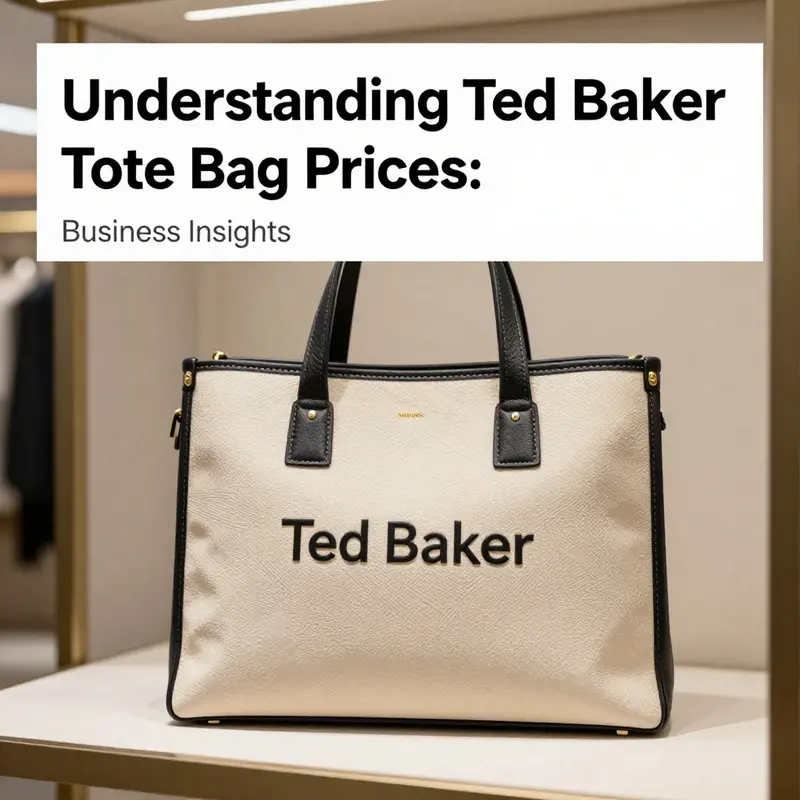
Ted Baker tote bags have gained notoriety not only for their fashionable design but also for their strategic pricing structure that appeals to both casual shoppers and serious business owners. Understanding this pricing range and the factors influencing it is crucial for entrepreneurs looking to stock quality products or strategize on market positions. This article will delve into the pricing range of Ted Baker tote bags, examine key factors driving these prices, and assess how these bags are positioned within the market, ultimately providing an insightful perspective for business owners.
The Price Spectrum of Ted Baker Tote Bags: Craft, Material, and Value Across a British Fashion Brand
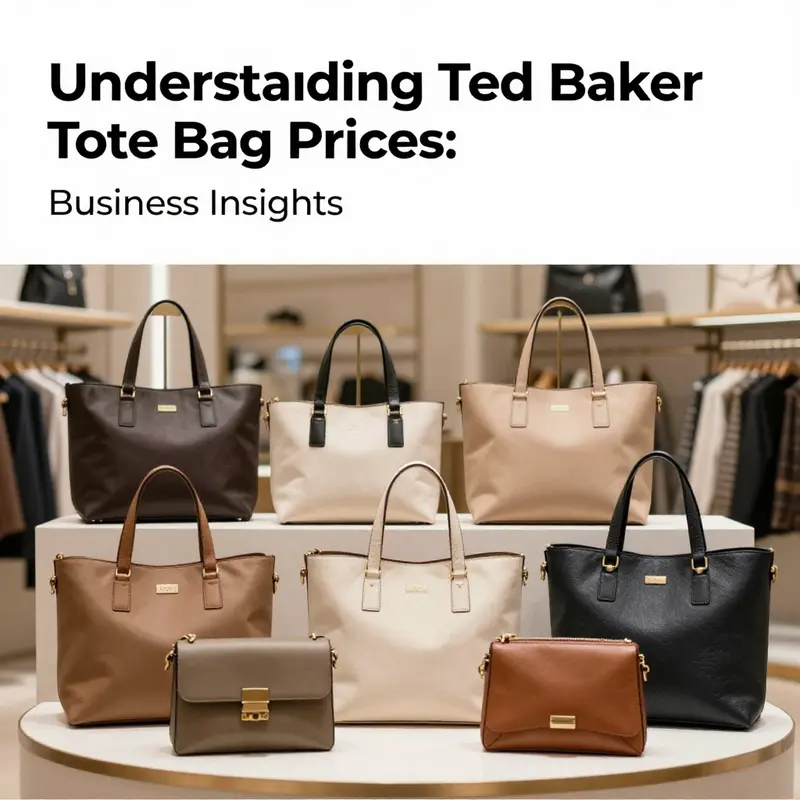
The price spectrum for Ted Baker tote bags captures the brand’s attempt to meet a wide audience without diluting its characteristic sense of polish. For the classic nylon or canvas options, which align with the London-inspired, no-frills approach to daily carry, prices tend to sit in the lower to mid range. In practical terms, you will often see these models priced around the £75 to £95 bracket. They are designed to be reliable, versatile, and easy to pair with a broad array of outfits, from smart-casual to more relaxed weekend wear. The materials are chosen for lightness and resilience, with reinforced stitching and practical interior layouts. These bags perform well as workhorse totes, commuting companions, and everyday utility carriers, where affordability and function hold equal weight in the user’s decision. The appeal lies in the crisp silhouette, reliable hardware, and brand-signature detailing that signals taste without requiring a large investment. The shopping experience for these pieces is typically straightforward: store stock, catalog listings, and promotions guide the decision, often with a seamless online-to-offline transition that makes comparison shopping efficient and intuitive. To get a sense of how the category is curated, you can explore the product range here: Ted Baker tote bag.
Moving up the price ladder, leather and more embellished designs introduce a different calculus. When a tote bag features genuine leather, premium finishes, or distinctive design elements such as intricate hardware, embossed or printed textures, and perhaps metallic hardware accents, the price commonly elevates into the £130 to £180 range. This tier signals an investment in materials perceived as long-term assets, alongside a more curated aesthetic that leans into a more formal or upscale vibe. Leather carries with it a familiar promise of durability and shape retention, which many buyers interpret as a justification for the higher price. The hardware—zips, clasps, and logo plaques—receives particular attention, not just for function but for the tactile and visual impression it creates. The patterns and prints, if present, are often carefully chosen to resonate with seasonal themes or timeless motifs that carry brand recognition without overwhelming the silhouette. Even within this category, there is variety: some pieces opt for a minimalist, quietly luxurious look, while others go full statement with bold prints or metallic finishes. Both strategies communicate quality, but they speak to different priorities within the same price range.
The range described above does not merely reflect materials. Size matters too, and it interacts with design language to influence perceived value. A larger tote that claims greater capacity will require more fabric or leather and reinforcement, potentially raising the price even within the same material category. Conversely, compact designs that preserve proportion and clean lines can carry a lower price tag while still delivering the brand’s signature aesthetic. The typology of the bag—whether it is a simple open-top tote or a structured silhouette with interior pockets, magnetic closures, or a detachable shoulder strap—also informs price. A meticulously organized interior, with well-padded laptop sleeves or reinforced base panels, often comes with a premium that reflects additional manufacturing steps and more careful material testing. In short, the price is an index, not a verdict; it signals not only what you are buying but how the design team has anticipated your daily rituals and storage needs.
Beyond material and size, the design vocabulary plays a decisive role in price placement. Subtle branding elements, like discreet logo embossing or understated hardware, can position a tote toward the lower end of the premium spectrum while still delivering a polished, modern look. Conversely, more assertive brand statements—such as distinctive prints, high-contrast hardware finishes, or exclusive colorways—tend to align with the higher end of the range. The market often rewards bags that balance quiet elegance with practical features: thoughtful interior compartments, exterior pockets, and weather-resistant finishes are not mere niceties but value creators that influence how a bag serves across different contexts, from office commutes to evening outings. The consumer pays not just for appearance but for the assurance that the design will adapt to shifting routines—an attribute that becomes even more important as life patterns evolve around hybrid work or flexible travel.
For shoppers, the price spectrum is a practical map. It helps distinguish when a tote is primarily a fashion statement and when it is a tool for daily life. If you need a bag that can be whipped out for a presentation and then carried to the gym, then the mid-range nylon or canvas options may be the most sensible choice, offering a pragmatic blend of weight, capacity, and low-maintenance care. If your daily routine includes a laptop, documents, and a heavy load, you may lean toward leather or premium textiles with reinforced bases and robust hardware. The durability and aging characteristics of leather, in particular, can yield a better long-term value if you plan to use the bag intensively over many seasons. In such cases, the initial outlay can translate into a longer expected lifespan, provided you maintain the bag with appropriate care—conditioning leather and protecting hardware from wear and tear. The trade-off is clear: a higher upfront price can correspond to greater resilience and a longer life span, a consideration many buyers weigh against immediate affordability.
There is also a logistical aspect to price that often goes underappreciated. The channels through which a Ted Baker tote bag is purchased can shift the end price by a meaningful margin. Official retailers, direct from the brand’s own channels, frequently offer consistency in color accuracy and finish, along with straightforward warranty terms. Authorized retailers may present occasional promotional incentives, bundled offers, or loyalty benefits. Meanwhile, third-party sellers or regional marketplaces can exhibit price dispersion due to stock levels, import costs, or regional demand. This variation is not inherently bad, but it does require a shopper to compare like-for-like and verify authenticity, as counterfeit risks loom when the price signals look too tempting. In practice, most shoppers find it helpful to anchor their decisions to a few reliable sources, then monitor price movements around seasonal transitions and new releases. The goal is not merely to find the lowest price but to secure the best value given the intended use and the bag’s anticipated life.
If you want to inspect the design language and product configurations more directly, exploring the brand’s catalog through an official or official-affiliate channel can be enlightening. The range typically features a shared DNA—clean lines, precise stitching, and a balance of function and finesse—while offering variations that allow different user personas to locate a tote that feels personal rather than generic. For instance, a user who prioritizes practical features such as a padded laptop sleeve or a wide gusset may gravitate toward the mid-range or premium tiers where those details are easier to realize with durable hardware and reinforced seams. In contrast, someone who values a crisp silhouette with minimal hardware and a dependable everyday carry might choose a lighter-weight option in the lower end of the range. The spectrum is not only about material choice but about how the design team orchestrates function, form, and everyday usability into a cohesive whole. If you are curious about the exact configuration and to see how a specific model aligns with your needs, a direct look at the catalog can be helpful, and the category page is a good starting point for a careful comparison.
Shopping for a tote bag is a moment when aesthetics and arithmetic collide. It is not merely about buying something that looks good on a hanger or in a showroom; it is about buying something that holds its value in the long run, both in terms of wear and the sentiment of daily use. Brand storytelling matters here. Ted Baker has built a distinctive image around refined silhouettes, subtle humor in detailing, and a certain British-leaning sensibility that resonates with a broad audience. The price points, then, are not a random set of numbers; they are a narrative about what the brand deems necessary to deliver premium feel, reliable durability, and a sense of occasion that can be leveraged from the desk to the weekend. For a quick, category-specific exploration of an emblematic Ted Baker tote, you can follow this link to the dedicated product page: Ted Baker tote bag.
In closing, the Ted Baker tote bag price range—roughly £75 to £180—maps onto a deliberate strategy. The lower end targets everyday practicality with lightweight materials and accessible styling. The upper end rewards an emphasis on leather, premium finishes, and more complex design language. Across this spectrum, the brand aims to deliver consistent quality, a recognizable aesthetic, and the flexibility that modern life demands. For buyers, the key is to identify the balance that aligns with personal needs: the frequency of use, the weight carried, the environments in which the bag will live, and the level of care you are prepared to invest. The same bag might hold up beautifully for years when chosen for the right reasons, or it may be best enjoyed as a seasonally refreshed accessory that marks a moment in time without becoming a long-term burden. As with any significant purchase, a careful comparison of material, construction, and purpose—along with an eye on official channels and trusted retailers—will guide you toward a choice that feels both stylish and prudent. For continued exploration and a direct view of the range, consider visiting authoritative catalog pages and keep an eye on seasonal drops, which often bring fresh colors or understated updates that reframe the perceived value of the collection. And when you are ready to confirm current pricing and availability, the most reliable source remains the brand’s official site.
External resource note: For the most up-to-date pricing and official specifications, you can consult the brand’s official site at https://www.tedbaker.com.
Priced by Design and Fabric: How Style and Material Shape Tote Bag Value in a Leading Fashion House
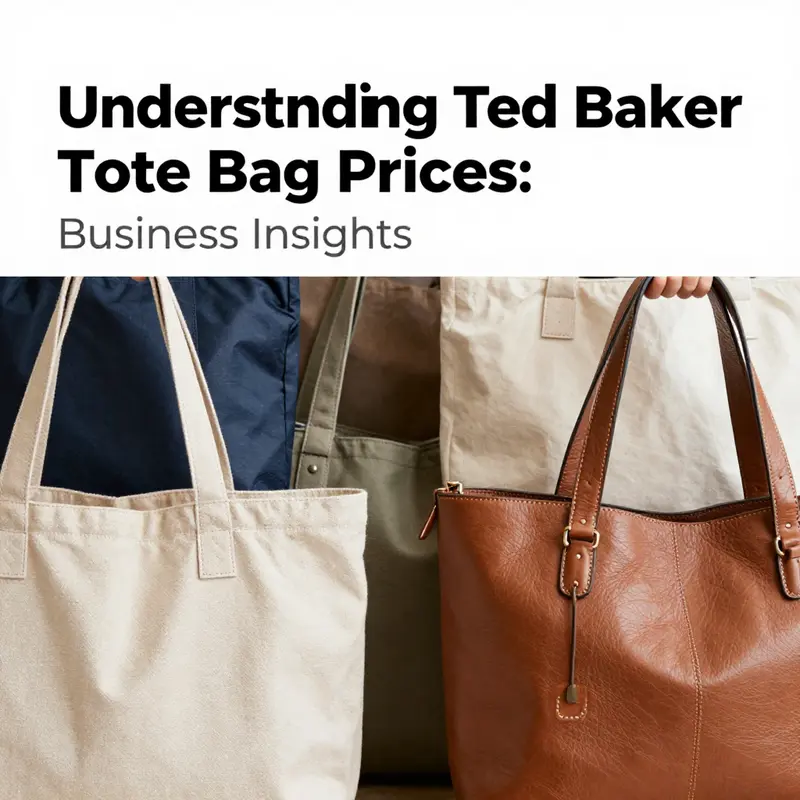
A tote bag from a prominent fashion house does more than carry daily essentials. It acts as a compact statement of design intent, material choice, and the brand’s broader storytelling. Price, in this light, becomes a conversation between aesthetics and practicality, between the promise of durability and the lure of exclusivity. Across the label’s tote line, the price point often sits within a clearly visible range, reflecting deliberate decisions about style and fabric. In practical terms, shoppers typically see a spectrum that starts with more accessible options and climbs toward more premium constructions. This isn’t happenstance; it’s a carefully crafted pricing architecture designed to appeal to different pockets while preserving the line’s overall perceived value. When the door to a bag is opened, it is as much about the story of the design as about the cost of the materials used to realize that design. The result is a product category that can feel both approachable and aspirational at the same time, depending on which bag a customer chooses and how that choice aligns with their needs and aspirations.
The first thread in this tapestry is style. Every tote in a leading fashion house’s collection is part of a larger dialogue about form and function. At one end of the spectrum sits the classic minimalist silhouette: clean lines, restrained hardware, and a focus on utility. These pieces tend to be more affordable within the tier, because their simplicity translates into lower production complexity and fewer design elements to navigate in the factory. They offer reliable, timeless value—an everyday companion that can be worn with a wide range of outfits and in varied settings. The price signal here is uniform and predictable, which helps the consumer feel confident in the purchase as a practical investment rather than a gamble on fashion fads.
On the opposite end, the collection often features bold patterns, textures, and distinctive silhouettes that play into the label’s storytelling prowess. Statement bags, often produced in limited runs, carry premium pricing tied to their rarity and visual impact. These pieces may employ more intricate stitching, decorative hardware, complex embossing, or unique colorways that require careful color matching and higher labor inputs. The logic is twofold: scarcity sustains desirability, and complexity signals exclusivity. When a bag enters this tier, the design team is signaling not just a bag’s utility but its role as a collectible object that will hold or even increase its appeal over time for the right buyer. The resulting price ladder mirrors the brand’s intention to balance volume with prestige, offering a pathway for early adopters and fashion enthusiasts to participate in the house’s evolving story, while also allowing collectors to seek out limited-edition pieces that feel truly special.
Material choice is the other axis that dynamically shapes value. In the lower range, the material story often leans toward durable synthetics and sturdy fabrics. Nylon, canvas, and other resilient compositions provide practical benefits: lightness, easy care, and lower production costs. These advantages translate into accessible price points that make the bags suitable for daily use, travel, and busy lifestyles. The intrinsic value comes from performance and durability rather than luxury perception, which keeps the cost to the consumer reasonable while still offering a branded silhouette that looks polished. By contrast, bags made from genuine leather or other premium materials carry a premium price tag. Leather delivers durability and tactile luxury that many buyers associate with long-term value. The manufacturing process for leather goods is more complex, and the material itself commands higher raw costs, contributing to higher sticker prices. Even within leather variants, there is a nuance: full-grain or top-grain leathers, careful finishes, and hardware that resists wear all add to the total cost of production and, eventually, to the retail price. In such offerings, the perceived value rises as the bag develops a patina over time and demonstrates lasting quality.
The material story doesn’t end with leather. High-quality synthetics—carefully engineered to mimic the look and feel of natural materials—can deliver a compelling blend of durability, weather resistance, and affordability. Modern faux leathers, coated fabrics, and performance membranes can give a bag a luxurious touch without the same price tier as genuine leather. The result is a broader market reach: customers who want a refined look and respectable longevity without paying premium leather prices. This is where the brand’s pricing strategy becomes especially elastic. By offering a mix of materials across the same design language, the house can maintain aesthetic coherence while inviting different consumer segments to engage with the line. It is not simply a matter of choosing between leather or fabric; it is about selecting the right material for the intended use, the desired longevity, and the consumer’s willingness to invest.
Across both style and material, the design team’s decisions reverberate through the supply chain and into price. Intricate hardware, such as gleaming zippers, branded clasps, or metal feet, adds tangible cost but also enhances perceived value. Finishes—pearlized coatings, embossed logos, or tactile textures—require additional production steps and stricter quality control. Limited editions demand unique color processes or exclusive runs that can strain capacity and tighten distribution, further elevating price. When a bag enters a limited collection, the premium is not merely about the material or the visible features; it is about the importance of belonging to a moment in the brand’s ongoing narrative. For consumers, the choice becomes a balance between the joy of owning something slightly rarer and the practical need for a versatile and durable bag.
This balancing act is central to the label’s broader pricing strategy. By segmenting the tote line into tiers—entry-level pieces that lean on practical materials and straightforward designs, mid-range offerings that blend durable materials with refined details, and premium or limited-edition pieces that emphasize exclusivity and craft—the brand can reach a wider audience without diluting the overall image. The psychological effect is meaningful: lower-priced options invite trial and daily use, while higher-priced items cultivate aspiration and collectability. The pricing structure thus reflects more than production costs; it encodes a brand proposition that communicates durability, style, and status across a spectrum of consumer experiences.
Market realities also shape how price translates into perceived value. The official store often anchors consumers with a transparent range that reflects the production realities of different materials and configurations. In this context, the price is a signal that helps consumers calibrate their expectations: it communicates the bag’s intended lifespan, its degree of versatility, and its position within the fashion house’s evolving story. The same bag in a different material finish or with a more elaborate design elements can swing from a practical everyday accessory to a premium object of desire. When shoppers compare options, they weigh factors like how often they will reach for the bag, whether it will endure rough daily use or delicate occasions, and how strongly they value the brand’s aesthetic language. All these considerations feed into the final price the consumer is willing to pay.
To illustrate how these dynamics play out in real life, consider the practical implications of material and design choices. A minimalist silhouette crafted in sturdy canvas sits at the lower end of the price spectrum, appealing to students, professionals, and urban commuters who need reliability without paying a premium. A slightly more complex design—perhaps with a decorative motif, a subtle metal accent, and a reinforced handle—keeps the price within a comfortable mid-range while signaling a step up in attention to detail. Finally, the most premium constructions—full-grain leather, carefully matched interior linings, specialty hardware, and limited-edition colorways—occupy the upper tier. These pieces intend to be valued not only as utilitarian bags but as fashion statements that can be treasured over time. For a shopper, the decision essentially becomes a question of intent: Is the bag a workhorse for daily life, a special-occasion accessory, or a collector’s item? The answer will guide how much is worth paying relative to the anticipated use and the consumer’s personal style narrative.
From a consumer education standpoint, understanding how style and material influence price helps people avoid misaligned expectations. The same silhouette may offer divergent value depending on material choice and finish. A bag with a simple look but premium hardware can outshine a more elaborate exterior that relies on cheaper components. Conversely, a boldly patterned bag with modest hardware may command a higher price due to its visual impact and the time required for production. In other words, price is not a single metric but a constellation that reflects what buyers value most: longevity, versatility, exclusivity, or a distinctive aesthetic. When shoppers recognize this, they can make more informed decisions that align with their budgets and lifestyle needs without feeling they are sacrificing quality or style.
Within this framework, the brand’s official channels remain a reliable source for current pricing and stock information. While the conversation about value can be abstract, real-world prices anchor expectations and provide a concrete baseline for comparison. It is useful to note that the range typically observed spans from accessible options designed for everyday use to premium pieces that justify a higher price tag through materials, craftsmanship, and limited availability. For researchers and enthusiasts tracking price patterns or collecting data, these official ranges offer a stable starting point while still leaving room to observe how promotions, regional variations, and seasonal drops influence actual transaction prices.
For readers who want a tangible sense of the market beyond the brand’s own pages, external listings can illustrate how the same design and material mix is valued across marketplaces. One practical price snapshot comes from active marketplace listings, which often feature a mix of new and used pieces in various conditions. Such listings reveal how depreciation, wear, and seller positioning affect price, complementing the brand’s stated ranges with the realities of secondary markets. When evaluating whether to buy new or pre-owned, shoppers should consider the bag’s expected lifespan, warranty terms, and potential restoration options. A well-maintained piece with classic lines may outlast a trend-driven variant and offer enduring value that justifies a higher initial investment.
In sum, price in a leading fashion house’s tote line is not a single figure derived from one variable. It is the product of a carefully choreographed interaction between style and material decisions, each contributing to a ripple of effects on manufacturing complexity, perceived quality, and market positioning. The more nuanced the design and the higher the material standard, the higher the price expected by the consumer. Yet even at the lower end of the spectrum, a well-executed design with durable materials can deliver substantial everyday value. The price, then, becomes a reflection of both present utility and future potential—of a bag that can perform daily tasks with ease and also ride the wave of fashion narratives that the brand continually advances.
To connect these ideas to practical buying behavior, readers can explore how different materials align with different needs. For instance, canvas and nylon options may appeal to travelers and students who prioritize lightness and ease of care. Leather options tend to attract professionals and luxury-minded shoppers who value tactility and longevity. The key is recognizing that the material choice is not merely cosmetic; it sets the baseline for durability, weight, and maintenance, all of which feed back into long-term cost of ownership. This perspective shifts the focus from a one-off price to a total value proposition, encompassing initial cost, expected lifespan, maintenance requirements, and the bag’s ability to complement a wardrobe across seasons.
For those who want to navigate the material landscape with a practical eye, consider the following approach. Start by identifying the primary use case: daily commuting, travel, or occasional use. Then map those needs onto three material archetypes—durable synthetics, natural leather, and hybrid fabrics. Evaluate weight, care needs, and resistance to elements. Compare the tactile feel, the bag’s structure, and the hardware’s perceived sturdiness. Finally, assess whether the design’s allure—the pattern, the silhouette, or the finish—adds enough value to justify a higher price. This method helps ensure that the chosen bag not only sits within a preferred price band but also delivers the right blend of aesthetics and functionality for the buyer’s life.
In addition to the material and style considerations, it is helpful to think about the bag’s compatibility with other wardrobe elements. A bag’s color, texture, and hardware can influence its versatility. A more neutral palette might pair effortlessly with many outfits, maximizing use and, by extension, value. A stronger, statement color or unique print can enhance the bag’s role as a focal accessory, potentially enabling the owner to extend the life of other wardrobe pieces by anchoring multiple looks around a single bag. The price paid is thus not just for a bag, but for the degree of synergy it can create within a person’s full collection.
As readers prepare to compare options, an internal resource can help illustrate how different materials translate into price without getting lost in brand-specific jargon. Consider a category like canvas-based tote bags and their diverse iterations. These pieces frequently demonstrate how a straightforward material can support a spectrum of design choices—from basic utility to more fashion-forward accents—without pushing the price into premium territory. To explore this broader material-to-price relationship within tote bags, you can browse articles on canvas options such as women’s canvas tote bags, which provide context on how fabric choices influence perceived value and price across a range of brands. tote bags with computer sleeves offers another angle, illustrating how functional features contribute to price in a practical way.
Ultimately, the pricing of a tote bag from a leading fashion house is a narrative of value that evolves with the consumer’s perspective. For some, the allure lies in the badge and the story it tells. For others, it is the tangible quality—the way the leather feels, the heft of the hardware, the perfection of the stitching, and the bag’s overall balance when loaded with daily essentials. The house seeks to balance these pulls by offering a spectrum of designs and materials that together form a coherent brand message: durability, style, and a sense of inclusion in a story that many people want to be part of. The price line, then, is not merely a sum of costs; it is a carefully calibrated invitation to participate in a lifestyle, a promise that beauty can be reliable, and a reminder that good design can endure both seasonality and wear.
For researchers, journalists, or curious shoppers, the critical takeaway is that price is a signal whose meaning shifts with context. It communicates not only the cost of making the bag but also the anticipated relationship a buyer will have with it. A lower price may signal accessibility and everyday utility. A mid-range price can reflect a solid balance of quality and practicality. The upper tier signals exclusivity and narrative depth. Each tier coexists within a single collection, offering a coherent path for different buyers to engage with the brand’s voice while maintaining a shared sense of craftsmanship and style. In this way, price becomes a language—one that speaks of design decisions, material science, labor, and the enduring appeal of well-crafted accessories.
External market dynamics also shape how price is perceived in the real world. After all, the brand’s official price may be contrasted with listings on secondary markets where condition, rarity, and timing can push prices higher or lower. Such dynamics are part of the broader ecosystem that surrounds any enduring fashion item. While the official range provides a clean baseline, the marketplace reveals how consumer demand, depreciation, and collector interest can temporarily bend price norms. For anyone studying pricing behavior or simply planning a purchase, this broader lens helps ground expectations and encourages a more nuanced assessment of value. If you want to explore a snapshot of current marketplace activity, you can consult external listings that reflect ongoing demand and price variation beyond the brand’s own channels.
In closing, price within a leading fashion house’s tote line emerges from the intersection of design ambition and material choice. Style determines how a bag communicates with the wearer, while material dictates how long it will stand up to the rigors of daily life. Together, they shape a price structure that aims to be inclusive of everyday needs and aspirational enough to celebrate special moments. Whether the buyer is drawn to a minimalist classic or a bold, patterned piece, the underlying lesson remains the same: value, in this context, is a balance of immediate utility and long-term satisfaction, not a one-dimensional figure on a tag. By understanding how style and material interact to shape cost, shoppers can approach the tote market with clarity, confidence, and a clearer sense of what constitutes a wise and stylish investment.
External resource for broader market context: https://www.ebay.com/b/Ted-Baker-Small-Tote-Bags-for-Women/174693/bn_182504562
Between Value and Prestige: Pricing, Perception, and the Market Positioning of Ted Baker Tote Bags
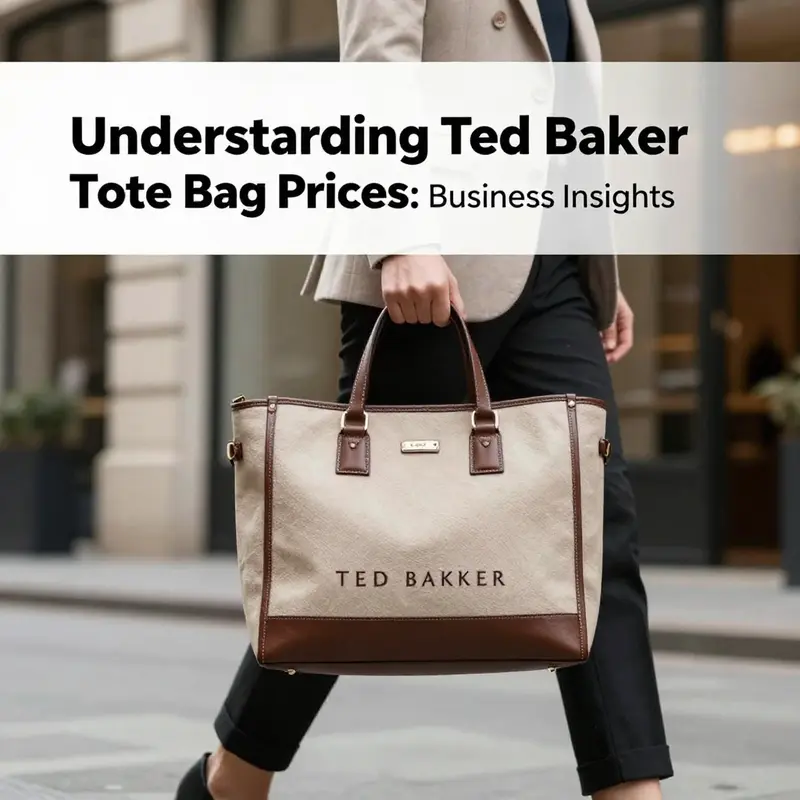
The price landscape for Ted Baker tote bags is not a single straight line but a spectrum that mirrors the brand’s broader ambitions. Across official channels and authorized retailers, tote bag prices typically nestle between the comfortable margins of seventy five to one hundred eighty pounds. What looks like a simple price range on a storefront is in fact a reflection of a carefully calibrated value proposition. The lowest price tier usually covers classic nylon or canvas constructions that emphasize everyday practicality, often yielding a price point around seventy five to ninety five pounds. These bases provide accessible entry points for shoppers who want a reliable, well designed bag without a hefty investment. On the other end, when premium materials enter the design, when leather is used or when special prints and metallic hardware elevate the bag, the price moves into the one hundred thirty to one hundred eighty pounds zone. The margins here are not arbitrary; they signal a deliberate shift toward durability, craft, and a certain level of design bravado that seeks to be noticed in a crowded marketplace. This pricing architecture aligns with Ted Baker s broader strategy of carving a space that sits between accessible luxury and solid value, a space that consumers can reasonably aspire to without stepping into the price territory of the most exclusive houses. The official channels also remind shoppers that the latest drops and stock levels can shift with seasonal collections, while still keeping the core price bands intact as a guide. For readers who want to see the catalog in motion, the Ted Baker tote bag category on the brand s digital storefront illustrates how the same silhouette can carry different material and hardware signals without straying from a coherent price framework. A useful point of reference is the catalog entry for the broader Ted Baker tote family, which showcases the range from standard nylon to more elaborate leather iterations. Within this continuum, the brand preserves its recognizable silhouette while signaling value through material choices, construction details, and a thoughtful balance of form and function. When price is considered in concert with design, the tote becomes more than a carryall; it becomes a statement of taste that a shopper can calibrate to their own budget and aspiration. The practical implication for consumers is clear: price communicates intention as much as material. The nylon and canvas versions deliver reliability at a modest premium, while leather and embellished variants promise lasting appeal and a more distinct designer signature. The result is a pricing scaffold that helps buyers gauge whether they are investing in everyday utility or in a piece that may accompany them through several seasons and a few wardrobes rotations.
From a market vantage point, Ted Baker s tote bag prices sit at a level that keeps the brand in dialogue with a broad audience. The value proposition is not simply about cost; it is about the perceived return. A tote at the lower end offers durability and versatility for daily use, with a quick sense of British styling that resonates across age groups and style sensibilities. The upper end promises a curation of details that can be interpreted as a nod to enduring quality and fashion sense. The difference between the two ends is not merely a matter of material richness; it is a narrative about how a brand tells its own story through product design. This narrative is essential in markets that prize both practicality and aspirational cues, where a bag must be able to blend into a professional setting, a casual weekend, and, increasingly, a digital social moment where accessories often serve as stylish signals in photos and videos. The price, then, functions as a social cue, a quick shorthand that communicates where the product sits in the broader fashion ecosystem. The brand s ability to anchor price in quality and design detail sustains its luxury perception while remaining accessible enough to attract a diverse customer base. In this sense, price is a language that helps the consumer understand what the bag is meant to be and what it is expected to endure. The customer who chooses the lower end of the range is not trading off style for savings; they are selecting a well built, visually coherent item that offers reliable performance. The shopper at the higher end is signaling a desire for nuance in materials and finish, the subtle lift that elevates an outfit from ordinary to considered. Both paths reinforce a cohesive market image for the tote family, one that the brand curates with careful attention to product development, marketing communication, and distribution strategy.
The value perspective is particularly salient in today s apparel and accessories landscape, where consumers increasingly measure items against long term use, environmental impact, and the possibility of wear across multiple seasons. Ted Baker tote bags thus negotiate a careful balance: they present themselves as more than disposable fashion, yet they avoid the exclusivity trap that can deter a broad audience. This balance is not accidental; it is deliberate pricing design that recognizes the realities of consumer expectations in a post recession, post fast fashion era. The value narrative rests on a few pillars. First is durability. Even the more affordable nylon versions are built with reinforced seams, sturdy straps, and hardware designed to withstand daily wear. The materials may be brisk in feel, but they are tested for practical longevity. Second is design integrity. The brand carries a signature look that includes discreet branding, clean lines, and thoughtful proportions. Even when the bag carries a pattern or a logo heavy design, the aesthetics are calibrated to appear timeless rather than flashy. This is critical because the perceived value of a bag is closely tied to its ability to complement a broad range of outfits and settings. A well designed tote can be reused across seasons, increasing its perceived value in the mind of the buyer. Third is versatility. The emplacement of pockets, the strength of the handles, and even the availability of a laptop sleeve or a dedicated interior organization space contribute to a tote s functional value. In the context of Ted Baker s price bands, these features are not an incidental afterthought; they are essential to justify the price to a consumer who looks for both style and practicality in a mid to high tier purchase.
The market growth and current trend lines for the tote bag category help explain why a brand would maintain this price architecture. The global tote bag market is expanding as consumers seek durable, multifunctional accessories that can travel with them into diverse environments. Analysts project growth from several billion dollars today toward a future where product variety and sustainable materials become even more central to consumer choice. In this expanding market, Ted Baker tote bags are positioned to capture a segment that values design-as-an-economy of scale: not the cheapest option, not the most expensive, but a reliable, well constructed product that offers a credible blend of aesthetic appeal and everyday usefulness. The pricing strategy complements this positioning by signaling that the brand values quality and refined taste while staying accessible to a wide audience. For readers who want to explore market dynamics in more depth, this segment is part of a broader narrative in which contemporary fashion accessories navigate between value, status signaling, and responsible consumption. A reputable industry resource offers a forward looking perspective on the magnitude and direction of the tote bag market, highlighting the demand for durable, stylish options that can be used across multiple contexts and cultures.
The positioning extends beyond the product itself and into distribution and brand storytelling. Ted Baker s tote bags are typically available through official brand channels and a network of authorized retailers. This distribution strategy helps preserve price integrity, ensuring that the bands stay within a predictable range and that promotions do not erode perceived value excessively. The existence of a robust online catalog and a recognized store footprint also supports consumer confidence in the product, reinforcing the sense that the bag is a thoughtful investment rather than a purely transactional purchase. The brand also benefits from a recognizable design language that helps customers identify the tote across seasons and campaigns, reinforcing a sense of consistency that consumers come to expect. This consistency supports a pricing strategy that can withstand competitive pressure from other labels offering look alike styles at different price points. In practice, shoppers often compare the Ted Baker tote against both mid tier and premium tier alternatives, assessing durability, finish, and details in relation to price. Their judgment tends to favor bags that demonstrate a credible balance between the visual appeal of the design and the practical assurance of long term use. The price serves as a measure of this balance and a signal of the brand s commitment to a certain standard. Those who buy into that standard are often receptive to occasional variations in price when new materials or structural upgrades appear, because the upgrade is framed as meaningful rather than superficial. The consumer who is less price sensitive may still expect more extensive leather finishes or unusual hardware, and the higher end of the price range makes room for this expectation while preserving the core brand identity.
From a consumer psychology perspective, the price bands help shape perceived value and risk. A lower priced tote includes an implicit guarantee: it is a reliable starter bag, not a fragile novelty. The higher priced options carry with them an assurance of long term style and a sense of investment in a wardrobe that is built to endure. The distinction matters in a culture where many fashion items are acquired in rapid cycles of trend and renewal. By offering a breadth of options within a consistent design language, Ted Baker communicates that value is not merely about a bargain but about a carefully considered purchase that will complement a wearer s life over time. This approach also helps the brand navigate the tension between fashion and function. The lower end provides a practical solution for everyday life—commuting, shopping, weekend trips—where a bag must perform reliably without demanding excessive care or attention. The higher end invites a more deliberate selection, a bag that becomes a signature item for those who want to refine their personal style and own something that suggests a curated taste rather than a mass produced accessory. In practice, customers often pair these choices with a broader collection that speaks to a cohesive wardrobe; the bag then serves as a central piece that unites various outfits around a shared sense of design philosophy and quality expectations. The pricing strategy, the materials, and the channels together create a narrative that supports a lifestyle choice rather than simply a purchase decision.
Within this frame, the tote category participates in a larger conversation about sustainability and responsible consumption. Durability and timeless design are now recognized as forms of value that extend beyond the initial price tag. A bag that remains stylish and functional across seasons reduces the need for frequent replacements, aligning with consumer desires to minimize waste and maximize use. The brand s materials mix, the care taken in construction, and the potential for repair or refurbishing across time contribute to a sense of long term value that helps justify a higher entry price for certain variants. This is not just about materials; it is about how a bag is designed to travel with a wearer through different life stages, professional settings, and social occasions. The demonstration of value in this sense becomes a persuasive argument for cautious budgeting and mindful purchasing, where the cost is offset by enduring style and practical returns. For readers evaluating these factors, the internal catalog and the development history behind each tote help illuminate why certain pieces command higher price points and why the brand maintains a balanced portfolio that can appeal to both price conscious and aspirational shoppers.
As this chapter threads together the threads of price, value, and market positioning, it is worth returning to the idea that the tote bag is more than a functional object. It is a signal of taste and a marker of lifestyle. The way price is set and communicated is a crucial part of that signal. The range from seventy five to one hundred eighty pounds, with material and design variations, reflects a calibrated approach to appeal to different audiences without fracturing the brand identity. It also allows the brand to adapt to shifts in consumer sentiment, from practical demand for dependable carry items to moments when style becomes a personal statement that people want to express through a well chosen accessory. In this sense, price is not the end; it is a means to an ongoing dialogue about value, design, and the relationship between a wearer and their belongings. This dialogue will continue to evolve as the tote category grows and as consumer expectations around sustainability, durability, and design excellence deepen. For readers interested in the broader market context that frames these choices, a leading industry source provides a comprehensive forecast and analysis of the tote bag market that can illuminate why price positioning matters for brands operating in this space. The link below offers a broader view of market dynamics, including demand drivers and competitive landscape as the category expands over the coming years.
To explore more on this topic, see the tote bag category that collects Ted Baker s offerings in a consolidated view: ted-baker-tote-bag.
External context and further reading: for a global market forecast and industry trends, refer to Market research on tote bags at https://www.marketsandmarkets.com/Market-Reports/tote-bags-market-68725292.html
Final thoughts
As we have explored, Ted Baker tote bags represent a balance of sophistication and pricing that can attract discerning consumers. Understanding the range from £75 to £180, along with the materials and styles that affect price, gives business owners valuable insights into potential inventory selections. Additionally, recognizing Ted Baker’s market positioning as a luxury yet accessible brand can guide marketing strategies and customer engagement efforts. By integrating these insights, business owners can enhance their offerings and better align with consumer expectations in today’s competitive marketplace.