
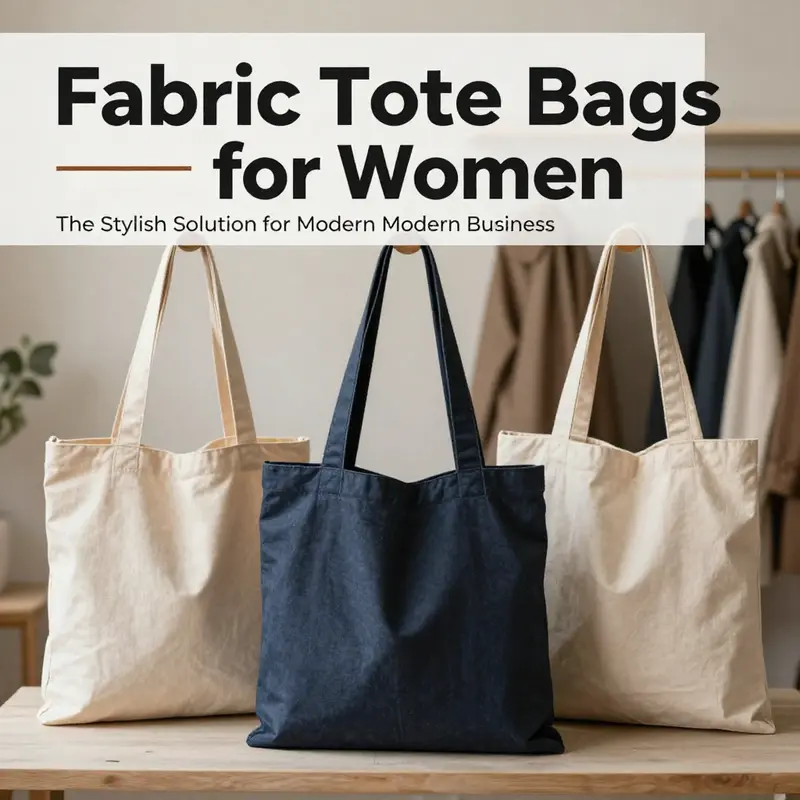
Fabric tote bags have become an essential accessory for women, blending practicality with style and appealing to a wide range of consumers. In today’s market, business owners are recognizing the potential of these bags as not only a product but also a branding opportunity. The durability and design of fabric tote bags make them ideal for everyday use, while their diverse styles cater to various fashion preferences. Furthermore, a growing emphasis on sustainability is influencing manufacturing practices, ultimately meeting the demands of eco-conscious shoppers. This exploration into the world of fabric tote bags will provide business owners with insights into durability and design, current fashion trends, sustainable practices in manufacturing, and economic accessibility, ensuring an informed approach to incorporating these bags into their offerings.
Durable by Design: The Quiet Craft of Fabric Tote Bags for Women
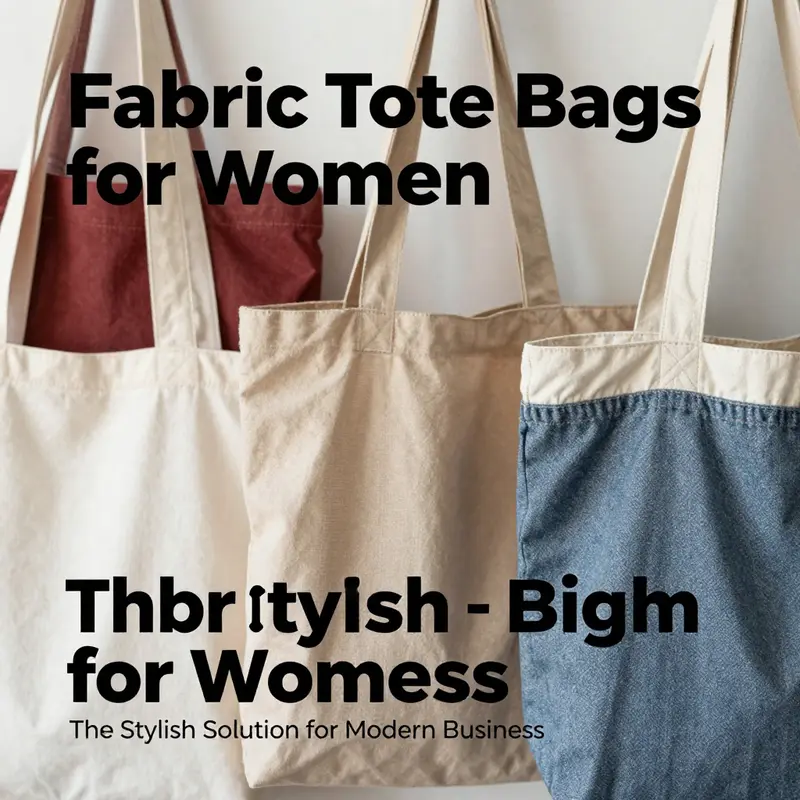
Durability and design in fabric tote bags for women form a conversation between material science, human-scale comfort, and everyday practicality. When a bag travels from counter to elevator to office to bus seat, it carries more than objects; it carries trust. The best fabric totes resist fraying at the seams after repeated loading and unloading, hold their shape when they’re full, and soften with use rather than stiffen into discomfort. This is not an accident of luck but the result of deliberate choices in fabric, structure, and finish. The materials—reinforced canvas, dense felt, cotton-linen blends, and even durable synthetics like PU leather—each bring a different balance of weight, texture, and resilience. Reinforced bottoms, double-stitched seams, and robust handles that feel substantial in the hand are small details that accumulate into a bag that can endure daily routines, long commutes, and frequent handling without showing wear in weeks, months, or even years. In that sense, durability becomes a design principle rather than merely a feature list. It is the backbone that allows style to be worn every day with the same ease that sneakers or denim offer, a quiet confidence that a bag won’t fail when the wearer needs it most.
Design in these bags ranges from minimalist elegance to vibrant statements, reflecting the varied lives of modern women who juggle work, travel, errands, and leisure. The open-top silhouette with a generous interior invites quick access to a notebook, a grocery list, or a stray umbrella on a rainy day, while some versions incorporate thoughtful pockets that keep keys, phones, and small essentials organized. The choice of material sets a tone: a clean, unadorned canvas can read as utilitarian and timeless, while a softly textured felt or a cotton-linen blend can appear refined yet approachable. Even within a single fabric family, designers push the boundaries through texture, color, and hardware. A bag can feature reinforced handles that feel substantial in the hand, or it can showcase matte or hammered hardware that adds a touch of durability-inspired sophistication without overpowering the fabric’s natural charm. It is in these carefully balanced moments—where a sturdy bottom meets a smooth leather-like handle, where a subtle internal pocket keeps a cardholder secure—that the design becomes more than skin-deep. It becomes a ritual of carrying: a reminder that fashion can be both practical and pleasurable, a daily companion that ages with grace rather than betraying a trend.
While durability might be most visible in the heft of the bottom and the strength of the straps, the long view matters as much as the moment. The lifecycle of a fabric tote is increasingly defined by responsible choices that extend its utility. Eco-conscious wardrobes are drawn to fabrics that retain their integrity under repeated washing, static loads, and shifting contents. A cotton-linen blend, for instance, can resist deformation when it expands to accommodate a laptop or a week’s worth of groceries, returning toward its intended silhouette after the load lightens. Recycled materials and organic options offer another path, delivering similar resilience with a lighter environmental footprint. These choices align with a growing consumer expectation that a bag should last, not just for a single season but for many, reducing the need for replacements and the downstream waste associated with disposable fashion. In practice, that translates into careful fabric selection, tested stitching methods, and a commitment to finishes that stay true after months of daily use. A tote’s durability is not merely in the material it is made from but in the entire system of its construction, from the way seams are joined to how the fabric relaxes and moves as the bag is carried.
From a design perspective, the tote’s silhouette communicates a philosophy of ease. The open interior is a canvas for organization, not chaos, with interior pockets that cradle a pen, a phone, or a small wallet. The exact dimensions and handle lengths matter because they impact comfort as the bag shifts with everyday motion. A bag crafted with a shoulder-carry length close to the natural resting position of the arm reduces fatigue over hours of use. Some designers specify a carry length around 11 to 12 inches, ensuring the bag sits at a practical height when worn on the shoulder without slipping or digging into the forearm. This ergonomic attention, though subtle, makes a tangible difference to comfort across a full day. The interaction between form and function is most evident in the way a bag responds to an impulsive purchase or a planned workday: it must accommodate a tablet, a book, a water bottle, and perhaps a few cosmetics, all without looking strained or bulky. That balance is achieved through a well-thought-out internal structure—gusseted sides that expand to hold contents, a solid bottom panel that helps the tote keep its shape even when it’s partially full, and reinforced seams that prevent wear where most bags fail.
In this ecosystem of durability and design, the tote also serves as a stage for personal expression. The range of textures—soft felt with a gentle nap, crisp canvas that holds its crispness over time, a smooth cotton-linen mix with a natural sheen—lets a wearer choose a fabric that resonates with mood and lifestyle. The color palettes can be restrained or exuberant, allowing a bag to blend into a corporate wardrobe or to stand out as a travel companion on weekends away. Even when the design is understated, it communicates a confidence born of careful construction and dependable materials. Conversely, bold patterns and tactile textures can transform a practical accessory into a personal signature, a respectfully loud statement about how a woman chooses to present her everyday life. In every case, durability remains the quiet partner to fashion, ensuring that beauty does not fade with the bag’s first rough day and that the design remains legible long after the initial admiration has passed.
For consumers who value customization or bulk purchases, the lifecycle extends beyond one bag. Factory-direct options in manufacturing hubs offer opportunities for private labeling and tailored dimensions, enabling retailers to align a tote with a specific lifestyle or brand story. The ability to adjust size, handle width, interior pocketing, and finish touches can transform a standard tote into a workhorse that feels uniquely hers. This capacity for personalization matters because it reinforces the tote’s durability in a broader sense: if a bag fits a user’s needs perfectly, it is used more consistently, reducing the likelihood that it will be replaced by a newer, slightly different model after a few months. The result is a durable product experience that honors both the wearer’s daily rituals and the environment’s long view. In this sense, the tote’s durability is inseparable from its design ethos. It is not merely a means to carry things; it is a reliable partner in everyday life that stands up to the demands of a dynamic schedule while aging gracefully in step with its owner.
The conversation around durability and design is anchored by a practical understanding of materials and a respect for the wear patterns that inevitably emerge from daily use. A reinforced bottom earns its keep through steady contact with floors and bags placed on countertops; sturdy handles can resist the repeated strain of lifting a full load from a car seat to a desk. The finishes—whether a matte PU edge or a soft, fabric-winished seam—contribute to longevity by reducing snagging and wear. The ensemble of these elements—material choice, structural reinforcement, ergonomic dimensions, and a well-curated interior—defines a fabric tote that is as resilient as it is refined. It is this synthesis that makes fabric tote bags for women not just a practical accessory but a durable, adaptable design piece that travels through life with the wearer, aging with character, and remaining relevant because it has been built with intention from the start.
For readers exploring specific options within the broader landscape of fabric totes, consider looking into collections that emphasize everyday practicality alongside aesthetic flexibility. A good starting point is a range that highlights durable canvas and thoughtful interior layout, with a focus on the balance between weight and capacity. When evaluating options, pay attention to how the bag behaves when lightly loaded versus fully stocked, how the hardware feels under repeated use, and how the texture of the fabric changes with exposure to sun and rain over time. The goal is not to find a bag that lasts forever in a vacuum but to discover one that grows with the wearer: a bag that remains comfortable, functional, and visually steady as life unfolds. For those curious about canvas-focused designs and more of a minimalist approach, you can explore collections like the dedicated canvas offerings in the broader tote category. This path often yields options that pair longevity with a low-key elegance, making them versatile enough to accompany a meeting, a weekend market, or a flight across time zones.
To delve deeper into canvas-focused styles that embody this blend of practicality and restraint, see more about women’s canvas tote bags. The page showcases how the material’s natural properties can be leveraged for durable, everyday use without sacrificing style. Additionally, for readers seeking broader context on sustainability and design in fashion, ongoing conversations and research from industry-wide platforms offer valuable perspectives on material choices, lifecycle thinking, and consumer behavior. External resources can provide useful frameworks for evaluating how a tote’s design aligns with environmental goals and social responsibility, complementing the hands-on observations of durability that sit at the heart of modern tote design.
External resource: https://www.fashionrevolution.org
Carrying the Future: The Fabric Tote as a Woven Tale of Style, Sustainability, and Everyday Purpose
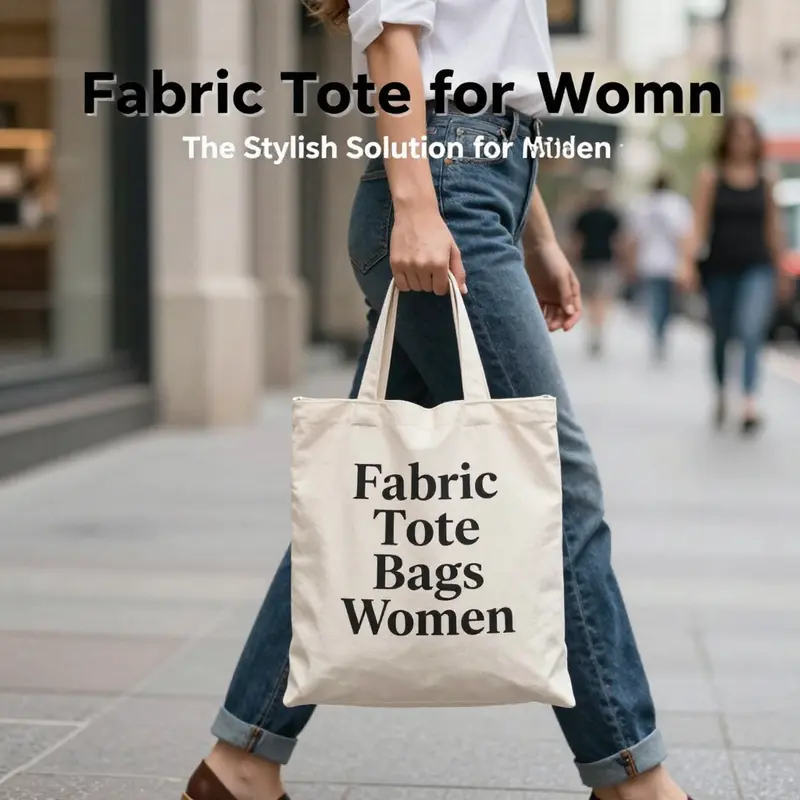
Across wardrobes and routines, fabric tote bags for women have settled into a quiet, enduring role. They are not merely carriers but companions that translate personal taste into practical decisions. In 2026, the bag a person chooses to shoulder is more than a statement of style; it is a deliberate alignment with how they move through daily life, how they interact with the world, and how they value resources. The contemporary fabric tote embodies a convergence: an aesthetic that reverberates with contemporary taste, a design ethos that prioritizes function as much as form, and a commitment to sustainability that reshapes what it means to own a single accessory over time. The East-West silhouette remains a touchstone in this evolving landscape, a shape that has proven its staying power by offering a clean, elongated line that can cradle a notebook, a tablet, a water bottle, and a handful of groceries without sacrificing grace. The line is not about chasing a trend; it is about a reimagined classic that adapts to the rhythms of modern life. The tote’s perceived simplicity—its open, spacious interior, its confidence in minimal hardware—hides a deeper architectural thinking. The bag is designed to be worn in multiple contexts, from a quick coffee run to a long-haul train journey, and the simplest shapes often hide the most thoughtful details. The ongoing transformation of fabric totes is less about reinventing a silhouette than about refining what the silhouette can do inside a busy day. Thus, the perfect tote is not just a style item but a utility system—an integrated partner that helps manage time, priorities, and space with a quiet competence.
The idea of sustainability threads through every choice, elevating a practical object into a reflection of values. Designers today treat fabric selections as statements about responsibility, not mere fashion. Organic cotton may replace mass-produced blends, and recycled polyester can substitute for virgin fibers, all with the aim of reducing environmental impact without compromising durability. Plant-based textiles—where feasible—offer another avenue for responsible production, while mindful sourcing emphasizes traceability and ethical labor practices. This is not a surrender to austerity but a deliberate pivot toward pieces that endure. When a bag is built to last, the logic shifts from consumption to stewardship. A well-made tote becomes part of a long-term wardrobe strategy, one that minimizes waste and supports a circular economy where possible. In this framework, the tote becomes a canvas for personal storytelling—textures, colors, and detailing that echo the wearer’s values and routines without shouting for attention.
At first glance, the East-West shape suggests a straightforward, almost minimalist approach. Yet in practice it reveals a sophisticated balance between reserve and reach. The elongated horizontal profile makes it easy to slip in a laptop, a planner, or a festival of small items, while the width ensures a stable base that won’t collapse when the bag is loaded. The silhouette translates across occasions. A structured version can feel professional enough for the last-minute meeting and resilient enough for a weekend escape. A softer rendition, with a tactile finish such as brushed canvas or a lightly padded panel, can become a weekend companion for casual errands or a long stroll through artists’ markets. Designers push the silhouette further by pairing it with materials that play to the wearer’s mood and setting—reliable leather accents for a tactile contrast, or lightweight, plant-based fabrics for airier, warmer-weather wear. The result is a bag that reads as versatile rather than transactional: a single piece that can adapt its voice to different contexts while preserving its core identity.
The sustainability discourse is not a trend’s ornament but its engine. Consumers in 2026 are not content with a bag that looks good for a season; they seek a lifetime companion, a vessel that travels through various chapters of life with them. This shift grows from a broader cultural recalibration toward mindful consumption. The conversation moves beyond how a bag is made to how long it will endure, how easily it can be repaired, and how well it integrates with a daily schedule that often runs between home, work, and errands. In response, brands are investing in durable constructions: reinforced handles that resist wear, double-stitched seams that resist seam splitting, and linings that resist abrasion. The hardware—the zippers, the sliders, the closure systems—tends toward corrosion resistance and reliability. Yet durability is not just about resilience; it is about adaptability. A robust interior layout with adjustable pockets and a flexible sleeve can accommodate a workweek’s worth of gear and then reconfigure for a weekend trip. This practical engineering keeps a tote relevant across seasons, turning it into a long-term ally rather than a disposable asset. The internal disposition often features multiple compartments, pocketed organizers, and sometimes a dedicated sleeve for a tablet or a laptop. Such architecture not only protects items but also supports a disciplined daily rhythm, helping the wearer locate keys, phone, or wallet in moments of haste. The tactile diversity of the bag—from smooth textiles to nubby weaves—also serves a pragmatic function: different textures offer cues for what belongs where. A reinforced leather trim may signal that this edge will bear the brunt of frequent contact, while a soft linen panel invites touch and conveys a lighter, more seasonal mood. The interplay of textures matters because it shapes how a person approaches the bag in public spaces. It is not just about looking good; it is about prompting confident use in ways that feels natural and intuitive.
Within this design philosophy, multi-pocket designs have emerged as indispensable. The modern tote is less a single, open space and more a thoughtfully zoned interior. A well-considered layout includes a dedicated phone pocket, a zip-secured interior section for smaller valuables, and a padded sleeve sized for a compact tablet or slim laptop. Outside of the main pocket, a slim exterior zipper pocket provides quick access to transit cards or receipts. The drawstring feature has made a subtle comeback as a practical accent, offering a compact, adjustable closure that can mitigate bulk when the bag is full but still provide a tightened, elegant silhouette when needed. The fringe detailing that has circulated back into fashion’s repertoire plays a likewise balancing role: it injects movement and a bohemian sense of play without overpowering the bag’s overall discipline. This is where aesthetics and utility fuse. The fringe suggests personality and a sense of whimsy, while the quiet functionality of a multi-pocket interior provides reassurance that the bag is suitable for daily use. The trend toward integrated features also responds to the realities of real life—commutes, shopping excursions, and travel—where pockets become little command centers, helping the wearer keep essentials organized and accessible.
A nuanced texture strategy adds further depth. Fabrics such as dense cotton twill or linen blends deliver a sturdy base, while softer finishes—like felt panels or brushed surfaces—soften the overall impression and invite touch. The color language tends toward earthy neutrals balanced by richer accents, enabling the tote to blend with a wide range of wardrobes. The palette selection reinforces the sense of timelessness; a tote that feels both current and enduring invites steady use across seasons, rather than becoming quickly outdated. The unspoken promise here is that a bag is not a one-season dalliance but a trusted companion that can transition from a busy office to a casual dinner with ease. In this sense, the tote becomes a small, sustainable lens through which a wearer views daily life: a way of organizing space, reducing waste, and expressing personal taste with restraint and clarity.
The practical and the aspirational come together when considering how production ecosystems influence design choices. As supply chains evolve, the offerings of factory-direct options and private labeling become more accessible to retailers and individuals alike. The potential to tailor dimensions, adjust the interior layout, and select fabrics enables a tote to be more than a generic product; it becomes a customizable tool that aligns with specific lifestyles. While this aspect may seem distant to the everyday shopper, it matters because it expands the possibility space: there is room to select a tote that fits a bag’s expected duties, from a lightweight daily carry to a laptop-ready companion for longer days away from the desk. This shift toward customization supports the broader trend toward personalized sustainability, reinforcing the idea that a single bag can function for several life chapters with minimal environmental impact. The practical implication for wearers is clear: choose a tote that resonates with your routines, and let it adapt as those routines evolve, rather than replacing it with a new model every year.
For readers seeking concrete examples within the fabric tote family, there is a clear path to a durable, canvas-focused option that emphasizes everyday utility without sacrificing style. A shipshape canvas tote offers a grounded texture, a robust feel, and a naturally versatile appearance that can be dressed up or down. It is worth exploring the category of options described as women’s canvas tote bags, which provide a practical baseline while still inviting personalization through color, finish, and detailing. For a direct reference to a curated selection in this vein, you can explore the collection at women’s canvas tote bags. In that space you will find a spectrum of weights, closures, pockets, and finishes that illustrate how an enduring shape can accommodate a wide range of needs and preferences. The goal is not to chase novelty but to foster a repertoire of pieces that extend a wardrobe rather than fragment it. It is about choosing a tote that harmonizes with a person’s daily rhythm, one that can be repurposed across weeks and seasons with limited waste and maximum reliability.
As we imagine the future of fabric totes for women, the picture becomes one of a coalesced philosophy: a willingness to invest in materials that respect both people and the planet, a design ethic that honors structure and ease, and a sense of play that keeps the everyday from becoming dull. The result is a bag that carries more than items; it bears the stories of countless small moments—a cafe encounter interrupted by a phone call, a train ride with a book resting on its surface, a cart loaded with groceries at the end of a long day. The fabric tote is a vessel for a modern, responsible life, one that recognizes both style and responsibility as essential components of a coherent, contemporary wardrobe. In this sense, the trend toward sustainable materials, enduring silhouettes, smart organisational features, and curated embellishments such as fringe or drawstrings signals a mature evolution. It is a fashion moment that respects what a bag can be when it aligns with the wearer’s values and daily practices, offering a blend of beauty, reliability, and meaning that endures beyond a single season.
For readers who want to widen their understanding beyond the domestic sphere, it is useful to consider how production choices influence availability and cost. The market has seen a move toward more transparent supply chains and versatile offerings that can scale from wholesale to private label. This means that the fabric tote can be commissioned in various dimensions to suit different retailers and consumer needs, with the potential to tailor pockets, closures, and exterior textures. In practice, these decisions translate into a product that not only looks appropriate in a showroom window but also holds up under the pressure of daily life, travel, and routine errands. A tote that is easy to repair or refresh—perhaps with a renewed lining or reinforced strap—extends its usable life. It invites the wearer to think of the bag as a long-term asset rather than a one-season purchase. The beauty of this approach is that it respects the many roles a modern woman plays, from professional to caretaker to traveler, and it provides a single, reliable companion to move through these roles with them.
This evolving landscape invites ongoing curiosity. While the East-West silhouette remains a stalwart, its continued relevance rests on a balance between enduring form and adaptive function. Sustainability, when integrated into every design decision, becomes less a trend and more a standard. And the smartest totes—those that combine smart pockets, durable yet refined materials, and a sensibly scalable interior—offer more than convenience; they offer a sense of confidence in how one carries themselves through the day. As shopping choices become linked to longer-term thinking, the fabric tote bag emerges as a quiet gesture toward a more considered wardrobe. It is a practical tool that also communicates a personal philosophy: that style can be responsible, that simplicity can be elegant, and that everyday encounters deserve a carry that respects both the wearer and the world. The tote thus stands as a small but meaningful node in a broader system of thoughtful consumption, where design, craft, and care converge in a single, well-used object that travels far beyond its modest footprint.
External resource for broader context on sustainability in fashion: https://fashionrevolution.org/
Weaving Responsibility into Everyday Carry: Sustainable Tote Bags for Women
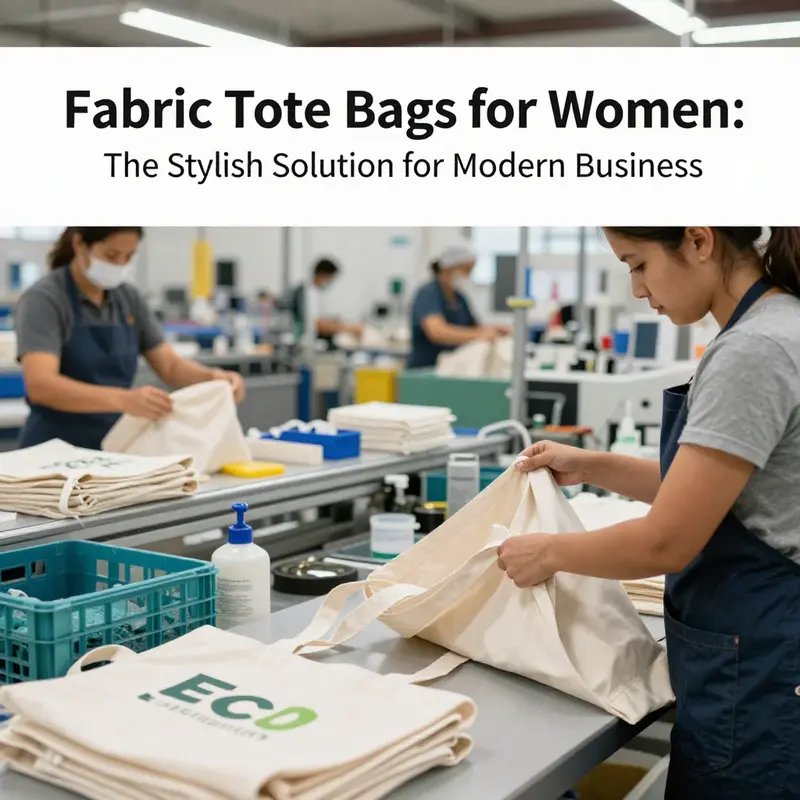
Every fabric tote bag is more than a simple carrier; it’s a compact statement about style and stewardship. This chapter explores how tote bags can embody responsible manufacturing from first stitch to final disposal. It’s not about a single material or certification but a web of choices that shapes the bag’s footprint. From fiber selection to cutting patterns, each decision matters for workers, communities, and ecosystems. Materials reveal environmental intent: recycled polyester (rPET) diverts plastic waste and reduces carbon, while natural fibers like organic cotton and hemp offer soil, water, and biodiversity benefits. Each option has trade-offs in care, colorfastness, and durability, so designers balance performance with responsibility.
Waste minimization is a second pillar: zero-waste patterning reduces leftovers, and offcuts can become pockets or lining accents, with larger scraps downcycled into stuffing or accessories. End-of-life design matters too: detachable linings, repairable stitching, and replaceable hardware extend life and enable recycling or repurposing. Ethical dimensions run alongside environmental ones: fair wages, safe conditions, and transparent supply chains are essential. Audits and traceability help buyers understand who made the bag and under what conditions. Localized or near-shore production can reduce emissions and strengthen communities, complementing global collaboration. Finally, consumer involvement matters: choosing durable designs, returning or recycling end-of-life bags, and supporting brands that publish measurable progress.
For readers seeking concrete examples, the category of durable, natural-textured totes offers practical insight into materials, construction, and longevity. The broader textile sustainability framework—certifications, metrics, and best practices—helps brands communicate impact clearly and steadily improve over time.
Everyday Style, Everyday Savings: The Economic Accessibility of Fabric Tote Bags for Women
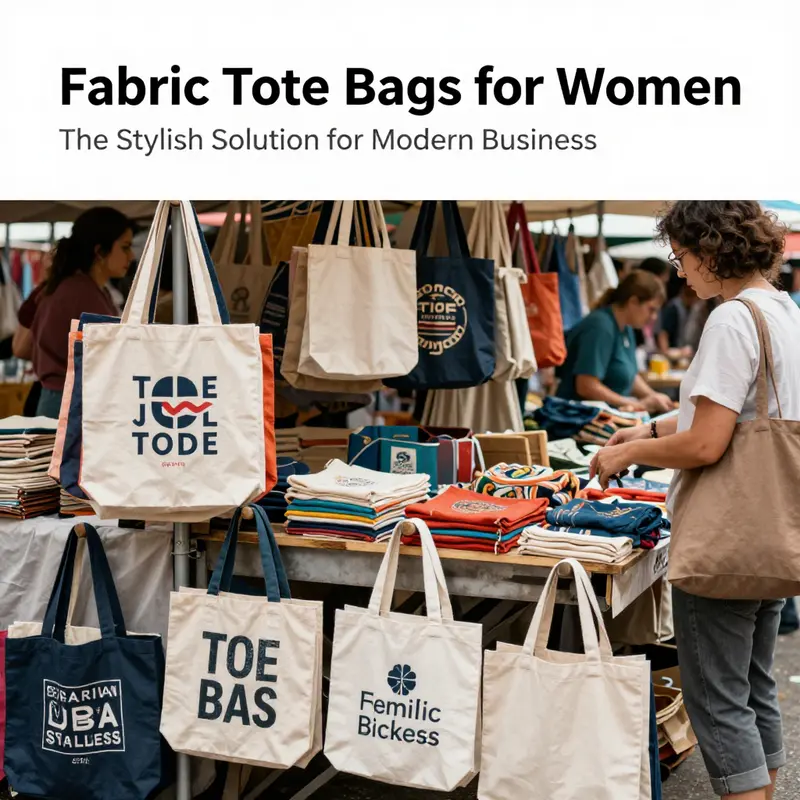
Fabric tote bags for women sit at a compelling intersection of style, utility, and economy. Their appeal goes beyond color and cut; it rests on a practical math that matters to households, students, professionals, and shoppers alike. The affordability of these bags is not a single number but a spectrum shaped by material choices, production scales, and the growing demand for reusable, durable fashion. When you walk into a store or scroll a wholesale listing, you encounter a simple truth: fabric totes often cost far less than leather or couture equivalents, and even the most affordable options can be customized enough to feel personal. This affordability, however, does not arise from a single silver bullet. It emerges from a combination of raw material options, manufacturing efficiencies, and strategic distribution channels that together expand access without erasing quality or longevity. The result is a category that invites wide adoption across diverse budgets and lifestyles, while still allowing retailers and brands to offer added value that goes beyond price alone. In this sense, fabric tote bags exemplify how practical design can translate into economic accessibility without diluting the quality or the experience of owning one.
At the heart of the accessibility story is the material palette. Canvas, cotton, linen, and felt each bring a distinct balance of strength, weight, texture, and cost. A basic tote made from cotton blends can be remarkably inexpensive, with initial price points that begin around seven dollars in bulk markets. This baseline makes the bag approachable for a first-time buyer, a student, or a shopper who wants a reusable alternative to disposable carriers. The same materials, when used in bulk and with streamlined construction techniques, allow for per-unit savings that compound as orders scale. The economic logic is simple: the more units produced, the lower the marginal cost, and that savings can be passed along to the consumer in the form of lower sticker prices or more generous minimums for customization. It is this pricing dynamic that enables bulk-purchasing options to become a practical choice for retailers, schools, or community programs seeking practical, environmentally friendly staples for everyday use.
Yet price alone does not define value. A key driver of economic accessibility in fabric totes is the potential for customization without prohibitive added costs. The same vendors who offer basic models frequently provide color variations, pattern options, and size tweaks that allow buyers to tailor a product to a specific audience or brand identity. Even within budget tiers, customization lets a tote feel personal and fit a particular lifestyle—be it a minimalist workstation companion, a travel-ready bag with reinforced handles and a roomy interior, or a playful tote that doubles as a statement piece for light errands. The range of customization is broad, and the pricing model often accommodates these variations through tiered options rather than a radical leap in cost. In many cases, the “newest rainbow pattern” or a curated set of colors can be achieved at a marginal cost that still lands in an accessible price range for most consumers.
Production logistics play a parallel role in shaping affordability. Fabric totes benefit from factory-direct arrangements and regional hubs where bulk manufacturing and streamlined supply chains minimize lead times and middleman markups. When a supplier can offer lower minimum order quantities or favorable terms for large-scale buyers, the resulting price stability helps retailers and organizations budget with greater confidence. The Guangzhou region and other manufacturing centers have traditionally served as examples of how proximity to textile processing and seam assembly can translate into lower costs per unit. This is not merely about raw price; it also touches on reliability, given shorter freight routes and more predictable production timelines, which reduces the risk of stockouts or price volatility that can indirectly raise consumer costs.
A practical corollary of these supply-chain dynamics is the availability of private labeling and logo customization. For groups seeking to align tote bags with a school, club, or corporate initiative, the option to add a discreet logo or private label offers a powerful value proposition. It is a feature that enhances perceived value without forcing a steep increase in the unit price, especially when ordered in bulk. Private labeling also supports longer product lifecycles by fostering a sense of ownership and identity among buyers, a factor that can, in turn, drive repeated use and, consequently, greater cost efficiency over time. In the context of a consumer’s budget, this means a tote can be seen not just as a one-off purchase but as part of an extended, budget-conscious lifestyle routine, where durability and practicality maximize return on investment.
Sustainability, often framed as an ethical choice, also intersects with affordability in meaningful ways. Fabric totes designed for durability and long-term use can outperform single-use alternatives in total cost of ownership. A bag that lasts for years, withstands repeated loads, and remains visually acceptable after heavy use minimizes the frequency with which a consumer needs to replace it. The environmental advantages—reduced waste, lower material footprint per use, and the ability to re-train a bag’s identity through customization—translate into economic savings over time. When combined with the ability to rehome or repurpose older totes rather than discarding them, the financial equation becomes even more favorable for mindful buyers who balance immediate price with long-run value.
This interplay of material choice, production efficiency, and sustainability creates a nuanced landscape of price points. On one end, a basic tote can be incredibly affordable, appealing to students, travelers, and everyday shoppers who want a simple, dependable bag for routine errands. On the other end, the market supports higher-quality fabric totes equipped with reinforced handles, structured interiors, and thoughtful design details that increase durability and practicality. Even in these higher tiers, the price jump remains manageable compared with luxury leather or couture designs. A high-end tote might command several thousand dollars in the luxury segment, reflecting materials, craftsmanship, and branding that elevate status as well as function. Fabric totes, however, occupy a broad middle ground where accessibility and quality converge, offering a compelling value proposition without requiring a premium budget. In practical terms, this means a wide spectrum of consumers can find a tote that fits both their functional needs and their financial constraints, from a sturdy everyday carry to a tote capable of handling travel or work with equal aplomb.
As buyers navigate this spectrum, the decision often boils down to balance: how much flexibility does a bag offer in terms of usage, how long can it reasonably withstand daily wear, and how much control does a consumer have over the total cost of ownership? A tote with reinforced straps, durable stitching, and a roomy interior might cost a bit more upfront, but its life-cycle performance can offset the higher initial price through lower replacement rates and higher user satisfaction. Conversely, a lighter, lower-cost tote can serve as a temporary or transitional option for someone who is experimenting with new fabrics or colors, or who wants a seasonal bag to rotate with outfits. The beauty of fabric totes lies in their adaptability to these varied uses and budgets. They provide a platform where fashion sensibility, practical capacity, and economic sensibility meet, allowing women to curate a daily carry that aligns with both style preferences and financial realities.
In this context, the role of design and marketing nuance cannot be ignored. Brands and retailers aiming to maintain wide accessibility often emphasize value beyond price. They highlight durability, versatility, and ease of maintenance—factors that extend the useful life of a tote. A tote that cleans easily, resists wrinkles, and maintains its shape after repeated loading earns continued use and defers replacement. Likewise, thoughtful details such as interior pockets, easy-to-clean linings, and robust handle constructions contribute to user satisfaction, which in turn reinforces an economical choice. The dynamic is simple: when a bag performs well across a broad range of scenarios—from grocery runs to work commutes to weekend trips—the consumer perceives greater value at a given price point. This perceived value translates into repeat purchases, referrals, and a broader base of loyal customers who view fabric totes as a reliable, economical staple rather than a disposable commodity.
For buyers who are deeply cost-conscious yet curious about design, the landscape offers ample pathways to balance. Wholesale options with modest MOQs enable boutique retailers and community groups to experiment with styles, colors, and fabrics without committing to oversized inventories. The availability of rainbow patterns and other visually engaging choices demonstrates that affordability does not equate to bland or trivial aesthetics. Rather, it signals a market that recognizes diverse tastes and seeks to meet them with efficient production and scalable customization. In this ecosystem, a well-chosen fabric tote becomes more than just a carrier; it becomes a vehicle for personal expression that respects budgetary limits while supporting sustainable consumption. The consumer journey—from cost awareness to design satisfaction to long-term usability—indicates that economic accessibility is more a design philosophy than a price tag.
To illustrate how this translates to real-world choices, consider the practical scenario of a university club or a small business looking to purchase totes for a wide audience. The decision to source in bulk, negotiate customization, and select durable materials produces a clear arithmetic: lower unit costs per bag, reduced waste through reuse, and an expanded capacity to offer branded or coordinated options without inflating the price for each member. The math informs the values. It makes room for a broader audience to participate in coordinated activities with cohesive aesthetics, all while remaining mindful of budgets. The bottom line is that fabric tote bags for women are not just an accessory; they are a functional, economical solution that aligns with contemporary habits of reuse, minimal waste, and practical fashion. They empower everyday choices and collective options alike, creating a marketplace where value and virtue coexist in a single, durable carryall.
For readers curious about how this plays out in the broader shopping ecosystem, one quick look at the marketplace reveals a wide array of affordable, customizable options that reflect the reality of mass production and consumer demand. If you want to explore a specific example of customization and color variety, you can browse a selection that showcases rich colorways and patterned designs—an example of how design diversity can be achieved without a prohibitive price increase. For further reading and to explore related categories, you can visit a resource that highlights the range of tote options available in the market, such as the collection of women’s canvas tote bags that emphasizes both form and function. This linkage provides a window into how affordability and style coalesce in everyday items that many people carry with them daily. women’s canvas tote bags.
In the end, economic accessibility in fabric tote bags for women rests on a careful blend of material choice, scalable production, and a commitment to durability and usability. The price points, from basic entries to mid-range options, create a practical ladder that invites broader participation in reusable fashion. When paired with customization options and responsible sourcing, these bags offer not only immediate savings but longer-term value—a combination that strengthens their role as a staple of contemporary wardrobes. The result is a category that remains inclusive, adaptable, and resilient, capable of meeting the needs of diverse consumers without compromising on aesthetic appeal or practical performance. That is the essence of accessibility in fabric totes: a means to carry everyday life with confidence, style, and economy.
External reference: https://www.alibaba.com/product-detail/Newest-Rainbow-Pattern-Fabric-Tote-Bag1600498765519.html?spm=a2700.galleryofferlist.poffer.i1.6d5c3a5cKJwP6l&productId=1600498765519
Final thoughts
Fabric tote bags for women have transformed into essential accessories that marry style with functionality. As a business owner, understanding the durability, design, and current trends surrounding these bags can offer competitive advantages in an evolving market. Emphasizing sustainable practices not only aligns with consumer values but also enhances brand reputation. Lastly, targeting economic accessibility ensures that these tote bags appeal to a broader customer base, potentially increasing sales. Entrepreneurs are encouraged to adapt to this trend thoughtfully and strategically, producing fabric tote bags that resonate with consumers on various levels.