
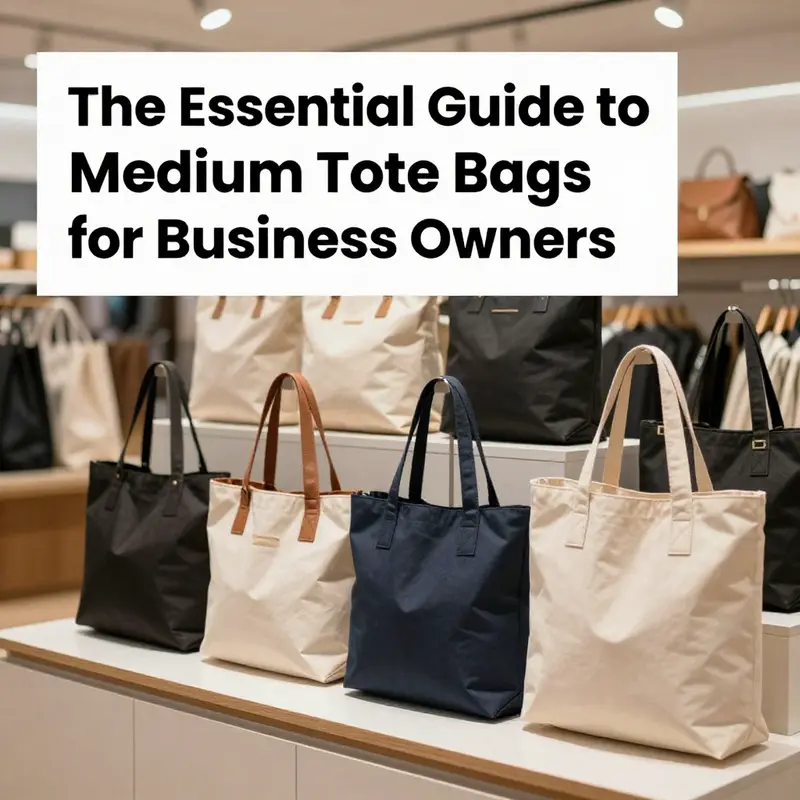
Medium tote bags have become essential accessories for business owners, blending functionality with style. These versatile bags not only help carry daily essentials but also project professionalism and sophistication. As we delve into the design features, materials, price ranges, functional uses, and cultural significance of medium tote bags, you’ll discover why investing in these bags is not just about aesthetics but also about making a smart business decision. Understanding these aspects equips entrepreneurs with knowledge to select the right tote that meets both practical needs and brand image.
Measured Elegance: The Design DNA of the Tote Medium Bag
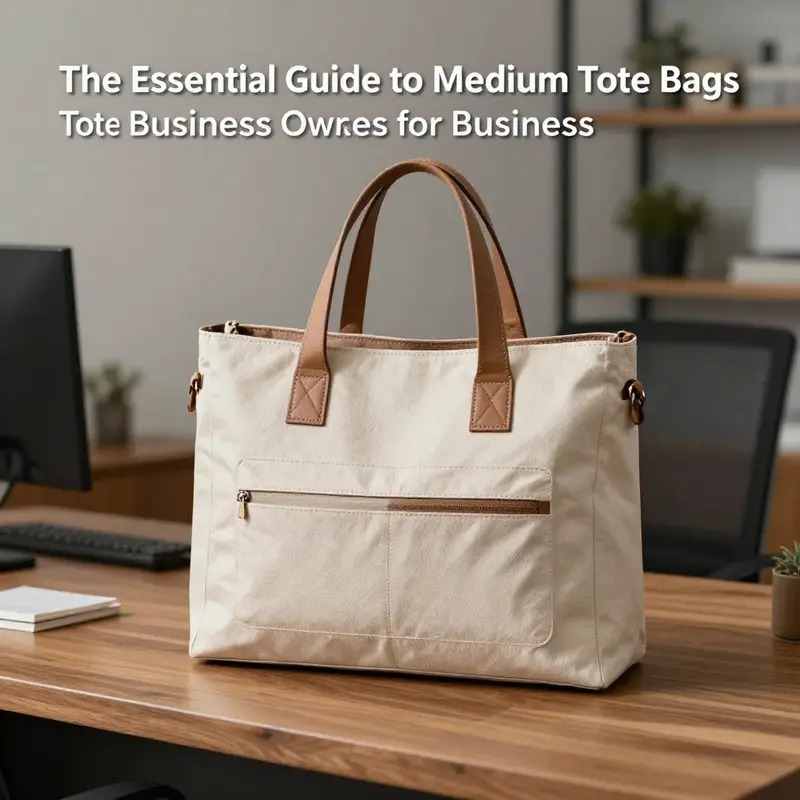
The tote medium bag occupies a paradoxical space in modern wardrobes: it is at once an everyday workhorse and a vessel for personal style statements. Its appeal lies less in a flashy silhouette and more in a quiet, practiced balance between capacity, proportion, and material presence. When we consider the Gucci Beatrix medium tote bag, this balance becomes a clear case study in how a single design language can translate utility into a wearable poise. The Beatrix does not shout for attention; it earns it through a disciplined insistence on form that serves function. Its signature details—like the horsebit hardware that quietly sits along the shoulder strap—do more than mark heritage. They knit memory and practicality together, reminding the wearer that luxury, when executed with restraint, can enhance daily life rather than overwhelm it. The design logic behind such a bag begins with a silhouette that embraces relaxation without drifting into casual sloppiness. The rectangular, softly structured frame reads as refined but unfussy, a shape that supports a spacious interior while maintaining a clearly defined outer outline. This is crucial for a medium tote, which must be capable of swallowing a tablet, a notebook, cosmetics, keys, and a wallet, yet never appear strained or out of scale with the wearer. A well considered tote manages volumes so that the bag sits close to the body, offering a psychology of ease rather than a mechanical push into the armpit or under the arm. Materials play a decisive role in reinforcing this equilibrium. In the Beatrix, the leather is described as soft and smooth, a tactile invitation without visual heaviness. A refined brown hue adds depth and warmth, ensuring that the bag can anchor a range of outfits—from charcoal suiting to cafe-ready denim. The interior lining, described as a brown cotton linen, shifts the interior experience from mere fabric to a sensory layer of luxury. This lining is not mere padding; its texture communicates quality and sustains the bag’s sense of permanence. The choice of lining, paired with a discreet zip pocket inside, is a reminder that the interior deserves as much attention as the exterior. The pocket provides a secure home for small essentials—keys, cards, or a phone—safeguarded from the rummage of a bustling day. The Beatrix thereby embodies a quiet philosophy: make the interior usable, accessible, and organized, so the exterior can remain calm and elegant. The exterior hardware, finished in gold-toned metal, complements the leather’s warmth and reinforces the bag’s status without overpowering it. The hardware is not merely decorative; it is functionally positioned to support the bag’s use scenarios. The coin-like gleam of the gold accents catches the eye in a way that feels deliberate and timeless, echoing the idea that luxury is about enduring appeal rather than ephemeral flash. A further layer of design is the adjustable shoulder strap, listed at an 85 cm length with a 21 cm drop. This dimension is more than a numeric specification; it encodes how the bag wears across different bodies and wardrobe choices. An 85 cm strap with a 21 cm drop can be worn comfortably on the shoulder or adjusted to sit neatly in the crook of the arm for a hand carry. The versatility of this strap configuration speaks to a core requirement of the tote medium bag: it must adapt to varying tasks throughout the day, from a commute to a meeting, from a gallery visit to a weekend brunch. The strap hardware, aligned with the bag’s gold-toned accents, adds to the cohesion of the overall aesthetic while ensuring that the wearer never needs to choose between security and ease of use. Within this frame of materials, dimensions, and hardware, the Beatrix demonstrates a design intent that is both generous and disciplined. The interior geometry supports organization without sacrificing openness. A discreet zip pocket within the interior is a small but essential feature, a guardian for small items that could otherwise get lost in the broader interior landscape. This is a deliberate acknowledgment of how people actually use bags: there are moments when you need quick access to a card or a key, and there are moments when you want a more secure place for valuables. The Beatrix also balances the tactile pleasure of premium materials with the practicality demanded by daily life. The leather’s soft texture invites touch and conveys a sense of luxury, yet its durability promises longevity through routine use. The brown cotton linen lining, with its subtle grain and color, reinforces that same sense of durability and refinement, elevating the experience of opening and closing the bag as part of a daily ritual rather than a chore. The silhouette and materials work together to create a bag that feels substantial without being heavy, formal without losing its accessibility. This is the core logic of a tote medium bag designed for contemporary life: it is a pragmatic tool that also reflects its wearer’s taste. The Beatrix exemplifies how a brand can honor its heritage while meeting current needs. The horsebit detail, a signature hallmark, ties the bag to a lineage of fashion that values craft, history, and recognizable iconography. Yet the feature is not a costume; it functions as a handle of memory—visual proof that the wearer is carrying a piece with a story, a piece that can accompany both a tailored coat and a casual sweater with equal grace. The design language here is not about novelty but continuity: the rectangular form, the measured capacity, the warm leather, and the quiet brimming of gold hardware all contribute to a coherent aesthetic, a language that speaks of reliability and refined taste in equal measure. In the broader landscape of tote medium bags, such a language matters because many outfits demand a partner that can slip into both daywear and eveningwear. The Beatrix answers that call with a balance of proportions and details that never feel fussy. It is this balance that makes the medium tote a versatile investment and a reliable daily companion, one that can carry a laptop or a tablet and still look appropriate when paired with a perfectly cut blazer. It is not simply about what the bag holds but about how the bag holds its own in a crowded room—how it sits on the shoulder, how the zipper glides, and how the hardware catches and returns light without drawing attention away from the wearer’s overall look. The Beatrix thus serves as a useful benchmark when considering other medium totes within luxury and premium segments. It demonstrates that good design—where materials, finish, and proportion align with practical use—can elevate a functional object into a trusted everyday companion. For readers who want to explore how different brands translate these design principles, it is instructive to consider the broader ecosystem of tote designs that emphasize signature hardware, durable interiors, and adjustable carrying options. As a practical example within this ecosystem, a well-regarded option from another reputable label offers a comparable balance of capacity, silhouette, and finish. While the names and exact features may vary, the underlying principle remains: a medium tote should feel natural to wear, respond to the user’s needs, and age gracefully. If the desire is to compare approaches across brands, the dialog becomes a study of how hardware, interior organization, and material selection—leather, canvas, or fabric—contribute to the bag’s overall personality and utility. The Gucci Beatrix thus becomes a touchstone; its design features illuminate the way a single bag can consolidate heritage, practicality, and luxury into a single, enduring form. When approached with a mindful eye, the tote medium bag reveals itself as more than a container. It is an architectural study: the right proportion, the right balance of visible and hidden details, and a set of tactile experiences that keep the object feeling contemporary even as it nods to tradition. This depth, accessible to anyone who lives with bags as part of daily ritual, explains why such pieces remain coveted across seasons. For those who want to broaden their sense of what a tote can be while staying within the medium size, exploring the range of signature totes across brands can yield useful insights into how different design languages approach the same functional task. The shared thread is clear: a medium tote succeeds when it blends utility with a quiet luxury, and when the details—horsebits, lining, pockets, and straps—work in concert rather than in competition. Internal reference for further reading on tote design styles and how a brand translates heritage into modern hardware can be found at this related collection: Coach Signature Tote Handbags. For readers seeking broader context on the materials and construction principles behind premium leather goods, an external overview offers perspectives on why soft leathers and durable linings matter so much in everyday carry. External resource: https://www.gucci.com
Material Alchemy: Textures, Tones, and Techniques Behind the Tote
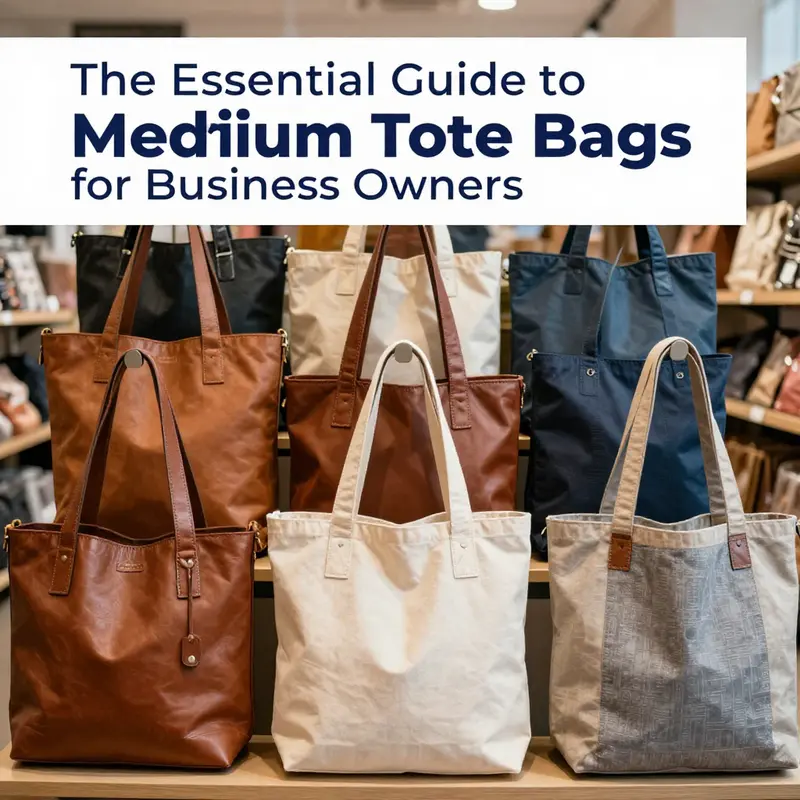
The tote medium bag illustrates how material choices shape everyday use. Materials determine weight, drape, weather resistance, and how a bag ages. Canvas, leather, and high-tech fabrics each bring different benefits and care requirements. Cotton and canvas offer strength and breathability, balancing durability with softness. Leather delivers polish and patina, demanding regular conditioning and careful sourcing. High-tech synthetics can provide lightness and structure but may require attention to care and cleaning. Beyond basics, textures such as embossing, embroidery, and mixed surfaces add tactile depth, while features like toron handles, detachable straps, and protective feet influence stability and wear. Sustainability enters material selection through natural fibers, recycled content, and responsible sourcing, guiding decisions toward lower environmental impact. Maintenance varies by material: spot cleaning for canvas, conditioning for leather, and gentle washing and line drying for synthetics. Price and longevity interact as premium materials often justify longer lifecycles. Ultimately, the best choice aligns with daily rhythm, climate, care preferences, and personal values, turning a tote into a reliable partner rather than a mere container. For further context on sustainability and sourcing, readers can explore industry resources that discuss regenerative materials and lower-impact practices.
Priced for Purpose: Understanding the Value Matrix of Medium Tote Bags
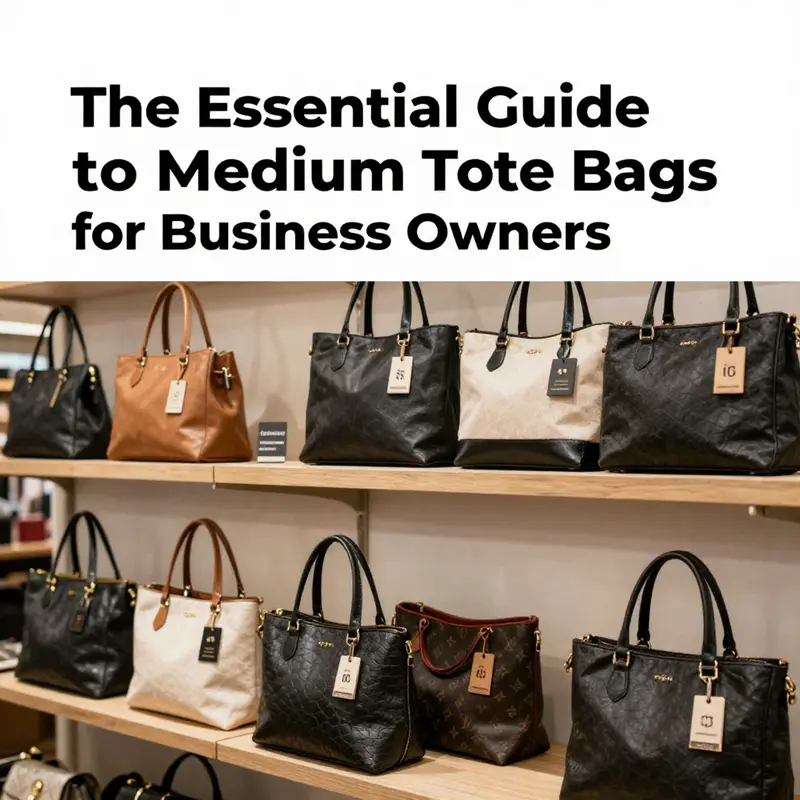
A medium tote bag is more than a carryall. Its price is a signal of purpose, not just a number. In practice, price reflects how much a bag can simplify daily life while standing up to the rigors of routine use. The interior is large enough to accommodate daily essentials, a notebook, a tablet, a water bottle, and perhaps an umbrella, yet the silhouette remains elegant enough to pair with tailoring or casual wear. Price is entwined with this versatility, because the same bag built for a commute, a weekend away, or a formal meeting will demand different materials, different seams, and a different degree of finish.
Break the price into layers: entry, mid, and luxury. Entry-level options often use sturdy but economical fabrics, with practical features like magnetic closures, simple linings, and a straightforward strap. They may be less structured but more forgiving of rough handling. The mid-range tier tends to use better materials—coated fabrics or genuine leather substitutes—and reinforced stitching, with better hardware and more organized interiors. The luxury tier, by contrast, leans on premium hides, natural fibers with aging patinas, robust hardware, and meticulous construction. In this tier, the design often balances timeless shape with the distraction of rare finishes, limited colors, and sometimes bespoke touches like hand-applied edge finishes. Across these strata, the price tells a story about the balance between cost, craft, and consumer expectations, reminding buyers that beauty and utility can coexist within a single, well-made carryall.
A case in point within luxury shows how variable price can be within a line. One leading house lists prices around HK$37,500 (roughly USD 4,780), while the same line includes models priced from about HK$26,700 to HK$81,500. Those numbers reflect more than size. They reveal the influence of materials, colorways, and the scope of detailing. A larger size adds material cost and often changes the balance of the bag, the way it sits on the shoulder, and how the interior remains accessible. A monochrome finish hides less of the texture than a deeply grained leather or a lacquered surface. An edition produced with limited quantities increases scarcity and, therefore, price. It is a reminder that the price tag often encodes both tangible factors—weight, texture, resilience—and intangible ones—heritage, exclusivity, and the promise of a maintainer’s care routine that keeps the bag looking as new as the day it was bought.
Material matters. Genuine leather typically commands higher prices than coated canvas or synthetics because its surface gains character with age and can resist daily wear longer if properly maintained. But the relationship isn’t simply hierarchical. A high-quality canvas with a robust lining and coated details can outlast a pale leather that shows wear quickly if not treated. The interplay of outer shell, lining, and hardware also changes the total cost. Brass or brushed metal hardware, reinforced rivets, and double-stitch or cross-stitch patterns add up in labor and time. The interior is more than a pocket array; it is a system. Proportions of compartments, pen slots, laptop sleeves, and zip pockets affect how you pack and how the bag behaves when loaded. Structural integrity—how the bag holds its shape under weight, how well it resists sagging at the sides, how the handles distribute weight—takes meticulous engineering. That engineering translates into a higher price, but it also means less risk of sagging, tearing, or misshapen forms after months of daily use. In this light, price becomes a proxy for reliability and ease of life, not merely a reflection of brand aura.
The intangible influence—brand heritage and design language—also plays a role, especially in the luxury tier. The look of a bag can carry a narrative, a sense of history, and a sense of belonging to a community of wearers. This adds value for many buyers that goes beyond raw material cost. Yet value is subjective. Some shoppers prize the timeless silhouette that works across seasons, while others seek color variation or a statement finish that signals a certain lifestyle. The price, therefore, is a signal that encompasses more than the bag’s physical components. It encodes expectations: how long the bag will hold its shape, how well it resists wear, how easy it is to care for, and whether it might hold its value if the owner chooses to resell. The true worth of a medium tote, then, emerges when its performance over time aligns with the buyer’s daily rituals and wardrobe needs, rather than simply matching a desire for status or novelty.
From a practical viewpoint, paying attention to the details can help match price to performance. Start by inspecting materials. Examine the grain, the texture, the uniformity of color, and the edge finishes. Check the stitching—rows of tight, even stitches that run along stress points like the top edge, the base, and the attachments where the handles meet the bag. A reinforced seam or a double layer of material at the most heavily used points can significantly extend life. Then test the weight support: fill the bag with typical daily items and heft it. Note whether the handles feel secure, whether the weight concentrates unnaturally on any one seam, and whether the base maintains its shape with a modest load. Consider the hardware: is the zipper smooth, are the clasps secure, do the metal pieces show symmetry and finish that won’t scratch quickly? A moment of care here can reveal the true cost of durability, and it can spare a buyer from later guilt when wear marks appear sooner than expected.
In addition to materials and construction, the layout and ergonomics deserve careful consideration. A bag that organizes efficiently can greatly enhance daily efficiency, lowering the perceived cost by reducing time spent rummaging for essentials. Detailing such as a comfortable shoulder drop, balanced weight distribution, and a robust bottom panel can transform a practical bag into a dependable work companion or a travel-friendly everyday bag. Conversely, a design with excess hardware, stiff edges, or awkwardly placed pockets can undermine comfort and accessibility, making a high price feel unjustified in day-to-day life. Buyers should weigh the value of these ergonomic choices against their budget, the bag’s intended use, and the occasions on which it will ride as a constant companion.
For those exploring more canvas options in tote form, the collection of womens-canvas-tote-bags offers a helpful reference point. The breadth of options in that category demonstrates how materials, weight, and structure influence price without invoking luxury branding. It underscores the core idea: in the medium tote category, price is about the harmony between the bag’s purpose, its durability, and its beauty. A canvas option that pairs sturdy construction with a clean silhouette may carry a lower price tag but still deliver exceptional daily performance, whereas a leather model with meticulous hand-finishing and premium hardware might justify a higher initial outlay because it promises a longer, more graceful aging process. The continuum between these ends is where most consumers live, balancing budget, lifestyle, and taste.
For consumers who insist on a longer horizon, the conversation shifts toward maintenance and value retention. Leather, for instance, benefits from conditioning and careful storage; neglected leather can crack or dry out, accelerating the need for repair or replacement. Canvas and coated fabrics also require care—avoiding prolonged exposure to sun, moisture, and rough abrasion helps preserve color and integrity. The long-run cost of ownership includes not only the upfront price but also care products, potential repairs, and the bag’s resale prospects. With a well-chosen medium tote, the frequency of bag replacement can decrease, and the wear patterns can accumulate into a patina that many find desirable. In this light, price becomes the first chapter in a longer narrative about how a bag ages with its owner, and how a thoughtful buyer can preserve its form and function for years rather than months.
External resources can illuminate these considerations further. For an established reference on how luxury houses frame pricing through materials and craftsmanship, see the external resource at https://www.louisvuitton.com/eng-us/products/shopper-tote-mm-product. This material complements the practical guide by highlighting how a premium bag’s value is anchored in both tradition and technical excellence. In the end, the decision to purchase a medium tote rests on a clear-eyed assessment of how well it supports daily life today and how gracefully it will age tomorrow, rather than simply how loudly the price speaks in the moment.
The Medium Tote in Motion: How a Functional Bag Shapes Daily Rhythm and Style
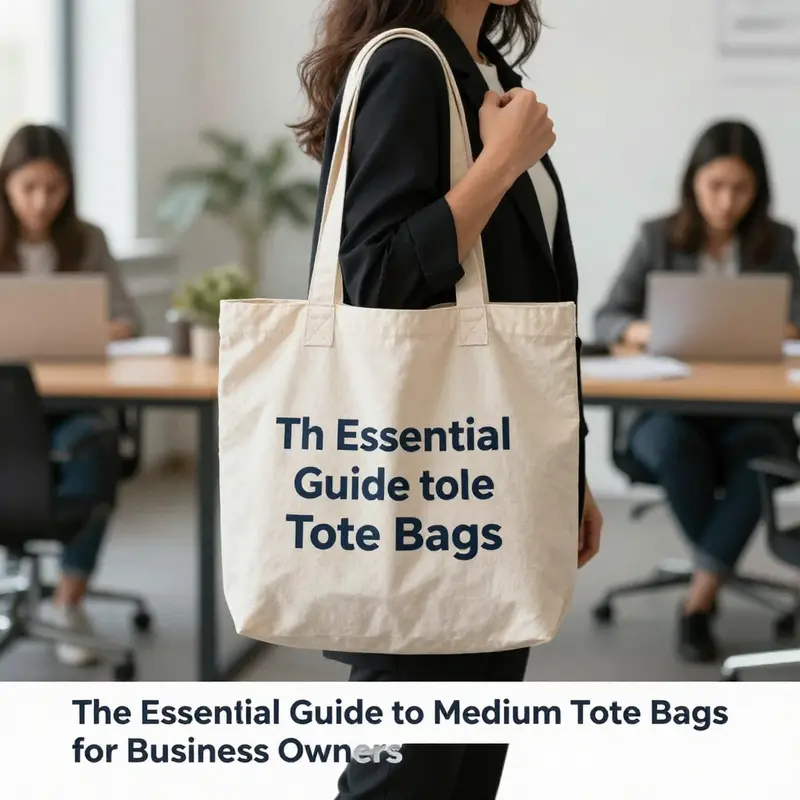
A medium tote bag is much more than a simple container. It is a steady partner in a life that moves quickly from morning to night, a balance of space, weight distribution, and quiet elegance. When a bag offers enough room without becoming bulky, it invites you to carry the essentials you actually need rather than a pared-down version of everything you own. In that sense, the medium tote performs a subtle art: it respects the shape of daily routines while elevating them with a touch of refined design. The goal is not to overwhelm with capacity but to harmonize function with form, so your hands stay free for the tasks that demand them and your outfit remains coherent with the pace of your day. The best totes achieve this balance by combining generous interior volume with thoughtful organization that you barely notice until you need it.
From the moment you lift a medium tote, you sense a careful calibration of space. The interior is capacious enough to cradle a laptop, a notebook, a tablet, or a couple of books, yet structured enough that the contents do not slosh around or collapse into a jumble. A well-appointed interior will typically offer dedicated pockets or zones, including a secure zip pocket for wallets, keys, or phones. The presence of such quiet compartments can transform a bag from a mere carryall into a small, organized command center. Even when you are juggling several items at once, the ability to locate a crucial item without rummaging through the entire bag adds a layer of calm to an otherwise bustling day. This is not about cramming more into a bag; it is about creating an intelligent home for the items you rely on most. The sense of ease that comes from this organization is tangible, and it translates into confidence in every move, whether you are heading to a meeting, catching a train, or meeting a friend after work.
A medium tote also presents a practical range of ways to wear it. The adjustable shoulder strap is a key feature, often allowing a drop that spans roughly from a little over 20 centimeters to well beyond 80 centimeters. Such versatility means you can carry the bag by the hand when you are navigating crowded sidewalks, tuck it under your arm for a quick bus transfer, or wear it across the body for added security when you are traveling light through unfamiliar streets. The ability to switch from a short, hand-carried carry to a longer cross-body style enables a single bag to adapt to different outfits and occasions without the need for a second accessory. This adaptability is especially valuable in a wardrobe built on versatility and longevity, where a single piece can anchor multiple looks across workweeks and weekends alike. When you combine this wearability with a spacious interior, you begin to see how a medium tote becomes less about carry capacity and more about fluidity in daily movement.
On the professional side, a medium tote can be a surprisingly capable work companion. It accommodates documents, folders, a notebook, and essential tech without or with minimal compromise. The interior organization helps separate work tools from personal items, reducing the friction of transition between professional and personal moments. For those who shuttle between meetings and coffee chats, the bag offers enough structure to keep a laptop or tablet in place while still feeling light enough to lift into a car or onto a train seat. The aesthetic of the tote—clean lines, refined hardware, and restrained logo placement—sends a message of capability without shouting for attention. It communicates that you are prepared and composed, a small but meaningful signal in professional environments where presentation matters as much as performance.
The student and traveler audiences also find in the medium tote a reliable ally. For students, the bag can accommodate heavy textbooks, a study planner, and a charger with ease, while still leaving room for a lightweight jacket or a water bottle. Its weight distribution matters; a bag that balances weight evenly across the shoulder reduces fatigue during long campus days. For travelers, the tote becomes a compact yet capacious unit for short trips or overnight stays. The interior space accommodates a change of clothes or a compact personal kit, and the bag’s shape helps it slide into overhead compartments or under seats without tipping. In these contexts, the tote sustains a sense of order and efficiency, letting you focus on the experiences and work ahead rather than the logistics of what you are carrying.
The gym tote is another facet of its functionality. A medium-sized bag can hold gym shoes, a towel, a change of clothes, and a few personal care items without appearing oversized or unwieldy. The ability to keep damp items separated from clean ones—whether through a dedicated pocket or a clever partition—extends the tote’s usefulness beyond the office and classroom. The result is a single bag that transitions from the daily commute to the gym, and then to a casual evening out, without requiring a rapid switch of bags or a new outfit strategy. This seamless transition underscores the tote’s appeal: it is not merely about carrying things, but about preserving momentum and reducing the mental load of what you must carry and where you must place it next.
Material quality plays a decisive role in how well a tote performs over time. Durable fabrics and surfaces that endure daily contact are essential, yet they must also feel comfortable to touch. Soft, smooth leather and lighter weight suedes have long offered the right balance between resilience and tactile pleasure. A leather tote may patina gracefully with age, while suede offers a delicate texture that remains inviting. The idea is not to pretend a bag is invincible but to respect it as a long-term companion. Caring for such materials involves practical habits: when the bag is not in use, it should be stored in a protective sleeve or flannel bag to shield it from dust and accidental scuffs. If you begin with a bag that maintains its shape—often by being lightly filled with tissue paper when not in use—you preserve its silhouette and ensure it sits well when you need it most. Regular gentle cleaning and conditioning help maintain the material’s integrity and visual appeal, extending the bag’s life as an investment in daily reliability.
The design language of a medium tote often finds its strength in restraint. Rather than shouting with ornate detailing, the bag tends toward clean lines, refined hardware, and balanced proportions. A touch of luxury is conveyed through crafted finishes, careful stitching, and hardware that feels substantial without being excessive. This understated quality supports both formal and casual wear, making the bag a true wardrobe staple rather than a seasonal accent. The result is a timeless piece that can bridge multiple trends while remaining faithful to the essential idea of practicality. In this way the tote becomes a versatile canvas, capable of adapting to the mood of the day while anchoring an outfit with quiet confidence.
At a practical level, the medium tote answers the question of capacity without overwhelming the wearer. The interior should feel generous yet organized, with a layout that respects the body as you move. The bag should not pull you backward or irritate your shoulder during long commutes, nor should it crumble beneath the weight of a heavy laptop on a crowded train. A well-designed tote makes the weight feel more evenly distributed and the access points intuitive. It invites you to place the most essential items within easy reach while tucking away items that are used less frequently. The result is a sense of order that travels with you—an invisible but real enhancement to daily life.
For readers who want a practical reference to device-friendly designs, consider exploring bags that are optimized for laptops and tablets. These designs often feature dedicated sleeves or reinforced panels that protect devices while preserving a slim silhouette when the bag is not fully loaded. A good way to start is to consider how you move through your day: do you commute on foot, rely on public transit, or frequently switch between indoor and outdoor environments? The answers will guide your choice of interior organization, hardware finish, and the overall feel of the bag when worn. As you reflect on these questions, you may find that a medium tote offers more than the sum of its parts—a reliable framework for daily life, compatible with both professional demands and personal style. To see how one approach to device-ready design translates into real-world use, you can explore examples in the broader tote category through resources such as laptop-tote-bags-women.
In the end, the medium tote is a timeless option for those who value elegance alongside practicality. It is not a rescue bag designed to solve every problem at once; it is a thoughtfully engineered tool that supports the rhythm of modern life. Its enduring appeal lies in how well it accommodates the unpredictable cadence of a day, while staying true to a refined aesthetic. Across work, study, travel, and sport, the bag remains a quiet constant, a dependable shell for the essentials you carry and the moments you share. The result is a seamless blend of form and function that feels both effortless and enduring, a reminder that great design often lives in the spaces between ambition and everyday use. For care and maintenance guidance, explore the official care practices that accompany high-quality leathers and fabrics, and consider how your own routines can help preserve the bag’s shape, texture, and presence over time. External resources for further reading on premium tote handles considerations and material care can be found here: https://www.gucci.com/us/en/shop/product/850926aafk42718
Threads of Identity: The Tote Medium Bag as a Cultural Artifact
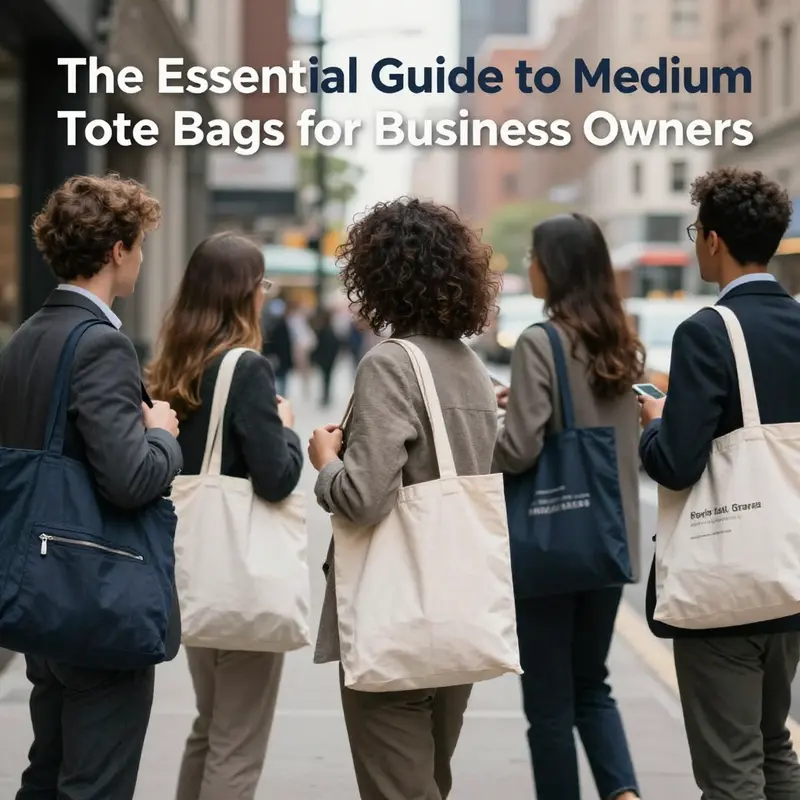
A tote medium bag is more than a carrier for daily essentials. In the language of textiles and everyday life, it functions as a portable gallery of memory, a conduit through which community, craft, and face-to-face history move from one generation to the next. Across cultures, the tote becomes a bridge between function and meaning, a humble item that carries weight far beyond its interior pockets. In many Indigenous communities, the tote bag is steeped in spiritual and familial significance. Each totem design woven or embroidered into the bag tells a unique story tied to a family, a clan, or a lineage. The bag is not simply used to transport belongings; it becomes a living artifact that holds ancestral voices, rituals, and pride. When a person carries such a bag, they carry a lineage in their hands, a way of walking that acknowledges where they come from and who their people are. It is no accident that these objects are cherished and passed down; their grids of line and color translate lineage into portable significance, turning a practical tool into an emblem of cultural continuity. The tote, in this sense, doubles as a vessel that preserves memory and reinforces identity in a dynamic, changing world.
In Chinese cultural contexts, the tote bag frequently embodies artistic symbolism that blends utility with refined craft. A prominent example is the peacock embroidery tote, where silk threads bring to life vibrant motifs that celebrate beauty, dignity, and auspicious fortune. The peacock has long symbolized grace and good luck in Chinese visual culture, and when it appears on a tote, it carries with it an invitation to honor tradition while wearing it on the move. Hand-embroidered details, the gleam of silk, and the careful alignment of motifs transform a simple bag into a wearable piece of art. Such pieces are often given as meaningful gifts during festivals and family gatherings, functioning as tangible expressions of esteem, blessing, and shared heritage. The tote thus becomes more than a fashion statement; it is a quiet, portable ceremony, a way to keep ceremonial and seasonal rhythms close to the body through daily life.
Across Africa and India, the tote bag also carries a robust record of history and regional identity. In many African communities, fabrics like patterned cloths and woven textures carry centuries of technique and community memory. The use of bold geometric patterns, dye techniques, and hand weaving speaks to artisanal skills that are transmitted across generations. Indian tote bags often showcase block prints and hand-painted motifs that reflect regional landscapes, folktales, and urban histories alike. These designs are not mere decoration; they encode communal memory and historical narratives about trade routes, agricultural cycles, and local celebrations. When such totes are carried at cultural events or offered as gifts, they reaffirm connections to place and people, reinforcing sustainable craft economies that keep traditional skills alive while engaging with contemporary audiences. In both cases, the tote functions as a portable ethnography, a way to read a community’s story through color, pattern, and texture.
What makes these cultural expressions resilient is not just the motifs but the processes that produce them. The tote bag in these contexts often emerges from collaborations that blend handmade techniques with contemporary design sensibilities. Materials may range from natural fibers to leather and canvas, but the throughline is a commitment to patient, skillful making. Hand embroidery, weaving, dyeing with plant-based colors, and block printing are not merely techniques; they are methods of teaching and preserving memory. Each stitch or color choice embodies generations of preferences, constraints, and aesthetics. When a modern tote adapts these traditional methods, it preserves the core values of the craft while inviting new wearers into the story. The result is a kind of portability of culture that can travel beyond its origin without erasing it.
This dialogue between tradition and modern use also speaks to a broader conversation about value and aesthetics in the contemporary marketplace. Today’s tote medium bags can serve as status symbols or investment pieces, yet at their best they also signal respect for craft and cultural narration. The tension between mass production and artisanal care is not new, but it remains acute in bags that carry cultural weight. Designers and makers who honor historical motifs by prioritizing quality over sheer novelty build a bridge between past and present. They resist the impulse to appropriate culture for quick fashion and instead offer a thoughtful respect for the people who created the original forms. In this sense, a tote that draws on ancestral motifs becomes less about display and more about responsibility—responsibility to the communities that sustain craft, to the earth that provides materials, and to future wearers who will inherit the stories embedded in the fabric and form.
The interplay of craft and contemporary wear also invites reflection on how motifs migrate through cultures. When a design ritual travels—from a workshop in a village to an urban studio—it often undergoes a reversible negotiation: the old hand techniques are preserved, while new silhouettes and practicalities are introduced. A tote may keep its structural integrity for daily use while adopting a slightly more streamlined shape to accommodate modern routines. The interior remains spacious enough for daily essentials, yet the exterior carries a language of heritage that speaks to the wearer’s values and curiosity. In this way, the tote medium bag remains deeply relevant: it provides practical utility, while also offering a medium for expressing belonging and curiosity about the wider world. People who carry such bags often become ambassadors of craft, sharing stories of where the textile techniques originated, who crafted them, and how the pieces were traded or exchanged across regions.
Even as luxury and collective memory intertwine, there is a need to attend to how these objects are produced and traded. Ethical collaboration and transparent sourcing ensure that the stories embedded in a tote are not extracted or misrepresented. The preservation of craft communities depends on fair compensation and dignified work for artisans, as well as on supporting sustainable practices that respect the land and its resources. When a tote bag is designed with attention to provenance—who made it, how the materials were grown, and how the techniques were learned—it becomes an instrument of empowerment rather than a hollow symbol. This is where the concept of the tote as cultural artifact meets the principles of responsible fashion: the bag carries not only a motif but also a narrative about labor, care, and reciprocity.
In contemporary retail storytelling, these connections to culture can feel distant unless they are thoughtfully integrated. The most compelling examples are those that invite the wearer into the story rather than merely adorning them with a beautiful surface. A tote with an embroidered peacock motif can prompt a conversation about Chinese textile history and the delicate craft of silk embroidery. A bag featuring traditional block prints can spark curiosity about regional printmaking and the artisans who keep those patterns alive. And when a tote from a familiar design language travels across borders, the traveler becomes a curator of memory, carrying with them not only items for the day but also a thread that ties disparate communities together. The tote, then, becomes a shared object of cultural exchange, a portable museum that travels with everyday life.
For readers who wish to explore a broader spectrum of such artifacts and their historical dimensions, a curated collection offers a window into the kinds of pieces that have shaped and been shaped by human communities. See for instance the British Museum’s collection, which provides detailed curatorial insights into artifacts that illuminate how textile traditions function as carriers of memory and identity across cultures. To deepen this exploration, consult the collection here: British Museum collection. On the more contemporary side of the spectrum, a modern tote can be explored through a range of retailers that present heritage-inspired designs in a form suited to urban life, including a reference to the tote-chloe-bag page for practitioners interested in how archive-informed motifs translate into current offerings: tote-chloe-bag. These pathways invite readers to consider how a simple carryall becomes a portable canvas for history, identity, and shared humanity.
Final thoughts
In summary, medium tote bags serve as more than just a functional accessory; they are vital components of a business owner’s toolkit. Their design, material quality, price accessibility, and cultural relevance underscore their importance in today’s professional landscape. Investing in a good medium tote bag not only facilitates daily tasks but also enhances a brand’s image and professionalism. As you consider your options, remember that the right tote bag can significantly elevate your business presence.