
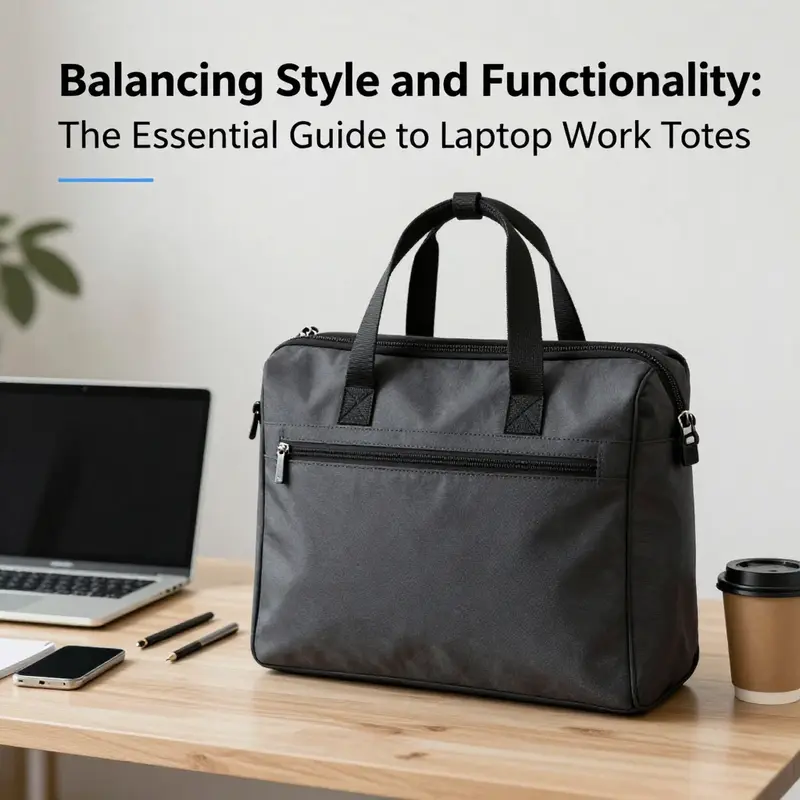
In an era where mobile workspaces dominate, a laptop work tote is more than just a stylish accessory; it’s a critical component of professional life. Business owners must recognize the value of equipping their teams with totes that harmoniously blend style, functionality, and professional credibility. Each chapter of this guide delves into essential aspects—key features to consider, materials that elevate to a professional standard, ergonomic designs for comfort during daily commutes, smart organizational elements that enhance efficiency, and a selection of popular, affordable options on the market. Together, these insights will help business owners understand the profound impact a quality laptop work tote can have on both personal workflow and the perception of their brand.
Carrying Confidence: How the Right Laptop Work Tote Elevates Daily Work, Style, and Professional Presence
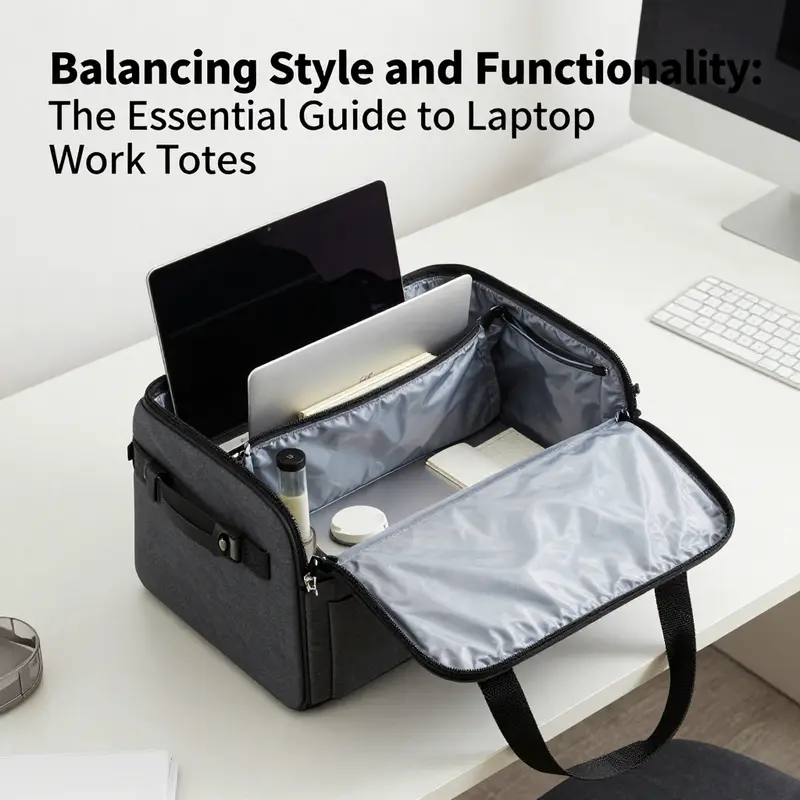
A laptop work tote is more than a vessel for devices and papers. It is a partner that travels through meetings, transit, and late-night deadlines, shaping how you move, think, and are perceived in a professional landscape. The right tote manages to look unobtrusive while carrying a surprisingly loaded payload of responsibility: a protected computer, essential chargers, documents, and the small decisions that keep a day from slipping into disarray. In this sense, the tote becomes a strategic tool, not merely a carryall. Its most important feature is a thoughtfully protected laptop compartment. A padded, well-fitted sleeve anchors the device with just enough cushion to dampen the impact of a gentle drop or the occasional jolt of a crowded train. The fit matters as much as the protection. If you own a 13-inch machine, the sleeve should snugly cradle its edges with controlled looseness to prevent shifting that could damage ports or keyboards. For larger models, a slightly roomier enclosure with high-density foam or a thick fabric lining is essential. The goal is predictable retention: the laptop should not slide, twist, or press against zippers when the bag moves. In practical terms, it means choosing a tote with a sleeve that respects the exact dimensions of your device while offering robust cushioning that remains effective over time. The effect is immediate: a bag that holds its shape and its contents creates a sense of calm, even during a hectic morning commute when every item seems to demand attention at once. The presence of a well-constructed laptop compartment also reduces the risk of incidental damage from everyday handling, such as bumping a shoulder on a doorway or adjusting the bag while standing in a busy elevator. The design emphasizes predictability and protection, which translates into faster, more confident transitions from car to desk, desk to conference room, and back again.
Durability and material quality sit at the core of long-term reliability. The tote you select should be built from sturdy, water-resistant, and abrasion-resistant materials that can withstand daily wear and tear. Ballistic nylon and tough polyester are widely valued for their resilience and ease of cleaning, while genuine leather offers a classic, refined appearance that ages gracefully with use. The material choice carries practical implications: a water-repellent exterior helps keep laptops and papers dry during sudden rain showers or spill-prone office kitchens. Abrasion resistance matters in high-traffic settings such as airports, elevators, and shared workspaces, where the bag rubs against rails, seats, and other bags. Each material brings a different character to the tote, but all should deliver a quiet assurance that you can rely on this single accessory day after day. The balance between durability and weight is also critical. A bag that feels too heavy when empty defeats the purpose of portability, especially for professionals who travel frequently or who navigate multiple office floors during a typical day. In the end, the best choice supports both function and aesthetics, communicating a sense of preparedness and attention to detail rather than mere style alone.
Comfort is the quiet backbone of daily use. A bag with comfortable, adjustable carrying options relieves strain and promotes better posture over long hours. Look for an adjustable, padded shoulder strap that distributes weight evenly and sits securely on the shoulder without slipping. Some totes feature a detachable crossbody strap, which can be invaluable for navigating crowded stations or rushing between meetings. A well-designed handle—ergonomic in shape and adequately padded—also matters when you frequently grab and go. The subtleties of hardware matter here as well: reinforced stitching, sturdy buckles, and secure attachment points all contribute to a tote that feels solid in the hand and steady on the body. The aim is not only comfort but also versatility, enabling you to switch from a structured office setting to a more casual after-hours scenario without changing bags. A comfortable tote reduces fatigue, which in turn sharpens focus, enabling you to engage more fully in conversations, presentations, and collaborative work. When comfort aligns with function, the bag itself becomes almost invisible in daily tasks, allowing you to concentrate on people and ideas rather than the logistics of carrying equipment.
Organization is where the tote earns its keep, acting as a smart command center for a busy professional life. Ample organizational pockets help segregate the everyday essentials: a dedicated tablet pocket, a space for chargers and cables, and secure, zippered sections for smaller items like keys, a business card holder, or a compact notebook. Inside pockets should be sized to keep items from rolling around, which reduces the time spent searching and minimizes the likelihood of misplacing components essential to the day’s work. The presence of multiple compartments makes it easier to create a personal workflow: one area for digital accessories, another for writing materials, and a third for personal items. The more pockets and dividers a tote offers, the easier it is to maintain a tidy workspace inside a moving container. The sight of a neatly organized interior can even influence meetings, because a tidy, well-thought-out setup suggests you are prepared, detail-oriented, and capable of maintaining control amid complexity. Not every pocket needs to be oversized. Some of the most useful features are slender, zippered pockets that secure smaller items without compromising access to larger items. The value of organization compounds as the day progresses; a small time saved here and a tiny interruption avoided there accumulate into a smoother, more productive rhythm.
Portability and size must align with real-world needs. The ideal tote should strike a balance between being light enough to carry comfortably and capacious enough to hold all essentials without tipping into bulkiness. If you travel often, a lighter design that packs easily into overhead compartments or office desks becomes a critical asset. Still, size should never come at the expense of the laptop compartment’s protection or the integrity of the overall structure. The bag should fold away gracefully in a drawer or save space under a desk when not in use, rather than becoming a cumbersome reminder of a heavy day. The versatility of a tote is further enhanced by its ability to accommodate not just a laptop, but the documents, adapters, and paraphernalia that accompany professional life. The right proportions enable you to carry everything you need without creating unnecessary bulk, and they help you project a professional image without looking overburdened or unprepared.
Beyond the mechanics, style and professional appearance matter, because a tote is a constant visual cue in meetings, transit, and professional events. A sleek, professional design aligns with a spectrum of workplaces, from formal corporate environments to creative studios. Color, texture, and silhouette communicate a mood and reputation—subtle, confident, and practical. The tote should complement your wardrobe without competing for attention with your presentation or your own posture. The design should respect the context in which you operate, providing a versatile option that fits various settings, from a quiet meeting to a bustling conference room. A bag that seamlessly merges with your personal style while adhering to professional norms signals that you care about the details of your work life. It is not a costume piece but a practical extension of your daily routines, the visible reminder of your readiness to engage, adapt, and contribute.
In practice, the features described coalesce into a single, reliable daily partner. The compartment protects the laptop and reduces the risk of damage from everyday mishaps. The materials chosen yield durability and weather resistance. The carrying options and ergonomic design reduce fatigue, enabling longer, more focused work sessions. The pockets and internal layout support a clear workflow, helping you locate tools when you need them, not after they are required. The portability of the bag ensures that it remains useful across a range of contexts, while the style and professional appearance ensure that it communicates the right message in the moment you step into a room or step onto a platform between meetings. Taken together, these features do more than preserve a device or carry papers; they reinforce a professional identity built on preparedness, poise, and purposeful action.
For readers seeking a nuanced perspective on fits that accommodate diverse preferences and body types, the notion of a dedicated laptop tote for women—design considerations that address a different scale and silhouette—offers a useful lens. See more on laptop-tote-bags-women. When exploring broader guidance that extends beyond one bag to a framework for selecting work bags across professions, a widely cited resource provides additional context and options, including practical advice on balancing style with function: https://www.theguardian.com/money/2026/jan/23/best-laptop-work-bags-for-students-and-professionals.
Polished Durability: How Canvas and Leather Shape the Laptop Work Tote
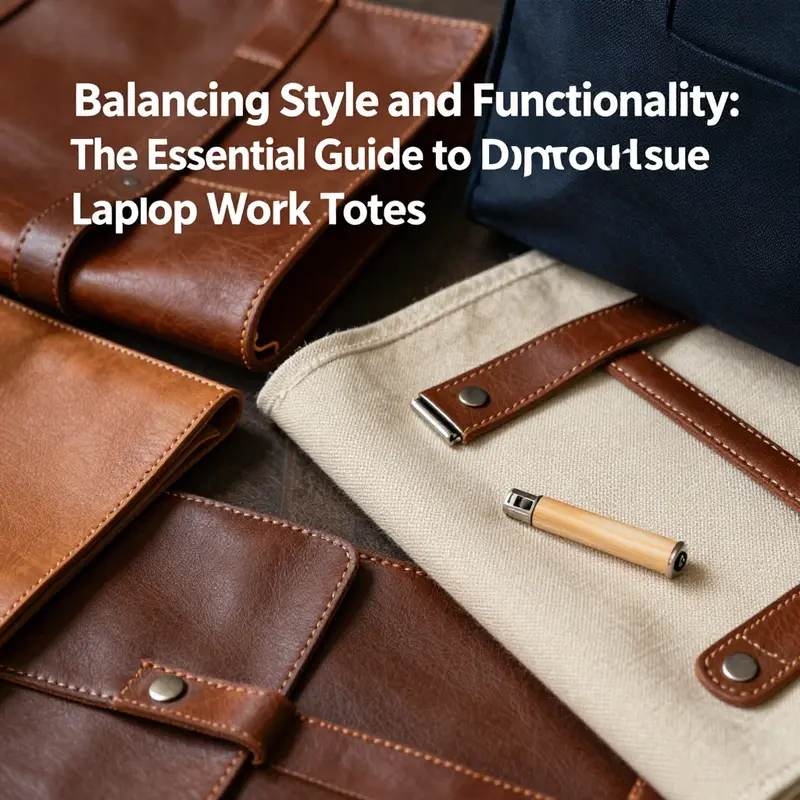
Durability is more than a label; in the modern office it signals readiness, reliability, and a tacit commitment to protecting the work that happens between meetings. A laptop work tote is a daily tool, a carrier of schedules, a shield against rain, and a stage for professional presence. The choice of material—canvas or leather—frames not only how a bag wears in the world but how it wears on the mind of colleagues, clients, and passersby. In this chapter we explore how two enduring materials perform in real work life, where rugged usefulness meets refined appearance, and how that choice intertwines with compartment design, comfort, and long-term value.
Canvas, especially the high-density varieties used in many durable totes, offers practical strength. Duck canvas, commonly around ten to fourteen ounces per square yard, creates a sturdy structure that resists abrasion and holds shape under daily pressure. The weave is tight enough to preserve form when a laptop is inserted and a charger, notebook, and documents are stuffed into the same bag. Yet canvas is not impervious to moisture. With wax, paraffin, or polyurethane coatings, many bags gain a water-repellent exterior that keeps the surface looking crisp through light rain. On balance, canvas wins on versatility: it accepts a wide range of colors and patterns, balances weight well, and maintains a casual to semi-professional vibe. Canvas tends to be affordable upfront, making it a pragmatic choice for those who want a strong daily carrier without a steep initial cost. The material’s resilience is reinforced by solid stitching and well-designed hardware, which help prevent wear over months of commuting.
Leather offers a distinct durability. Full-grain cowhide resists tearing and rough handling, and ages with a patina that signals experience. As the bag accrues daily use, the patina can add depth to its appearance in formal settings. Leather’s longer story comes with a higher upfront cost and a different maintenance rhythm. Top-grain or corrected-grain variants can offer uniform color and texture but may sacrifice some raw durability. Leather totes often carry a more polished silhouette, making them appealing in professional environments where first impressions matter. The natural weight of leather, with reinforced stitching and robust hardware, supports heavier payloads while maintaining a poised look. The hardware and compartments matter—zippers should glide smoothly, seams resist stretching, and a padded laptop sleeve should cradle the device securely.
The decision between canvas and leather is rarely simple. Climate, commute style, and workplace dress code tilt the balance. In wetter regions, leather’s water resistance can be advantageous when properly conditioned. For those who move quickly between locations, canvas can be easier to care for and faster to restore after a muddy trek. The best choice often arises from blending priorities: long-term value and professional presentation on one axis, daily practicality and budget on the other. Consider a bag that leans toward mid-weight canvas with leather trim or a leather bottom panel to anchor the look and increase durability at high-stress points. The tote can fuse the reliability of canvas with the refined edge of leather, delivering a versatile tool that reads as both durable and polished.
In practice, the material choice should harmonize with the tote’s design of compartments and support structures. A well-built laptop compartment is non-negotiable; padding should cushion the device without adding excessive bulk, and the bag should distribute weight evenly across the shoulders. Canvas tends to flex and breathe, so a bag built from canvas benefits from reinforced panels near the laptop sleeve to retain shape under load. Leather, while more rigid, can benefit from gussets or inner linings that prevent the bag from collapsing around the laptop when unzipped. Regardless of material, the strap design plays a crucial role in comfort. A sturdy, adjustable strap with some give helps balance heavier loads, while handles that sit flush against the body offer a tactile sense of security.
Maintenance and care anchor long-lasting appearance. Canvas rewards regular cleaning and a fresh application of water-repellent finish. The goal is to prevent absorbed moisture from penetrating fibers and inviting stains. Leather rewards conditioning that keeps supple, guards against cracking, and preserves color and sheen. Protecting seams from moisture and shielding the bottom from scuffs are part of a practical care routine. For environments that test materials—urban rain, crowded transit, or back-to-back meetings—thoughtful maintenance extends the bag’s lifecycle and preserves its crisp, professional silhouette across years of daily use.
Aesthetic signals matter in professional contexts, and both materials communicate distinct messages. Canvas conveys a rugged, versatile vibe—approachable and ready for action. Leather projects quiet confidence, a sense of tradition, and formal polish that can elevate impressions in meetings or client dinners. Color and texture interact with the bag’s form; matte canvas finishes absorb light and highlight contours softly, while leather’s natural sheen adds depth with care. The right tote aligns material, design, and wearer’s persona, becoming an extension of executive presence. The next layer of consideration then unfolds with how organization within the tote—padded sleeves, discreet pockets, and weight distribution—works in concert with the material to optimize every moment of the workday.
External resource: A practical reference on canvas and leather care and how it impacts longevity can help readers weigh decisions. See https://www.womenshealthmag.com/health/a39827657/best-work-totes-tested/ for perspective on tote design, durability, and professional impression.
Carrying Confidence: How Ergonomic Design Transforms the Laptop Work Tote into a Productivity Partner
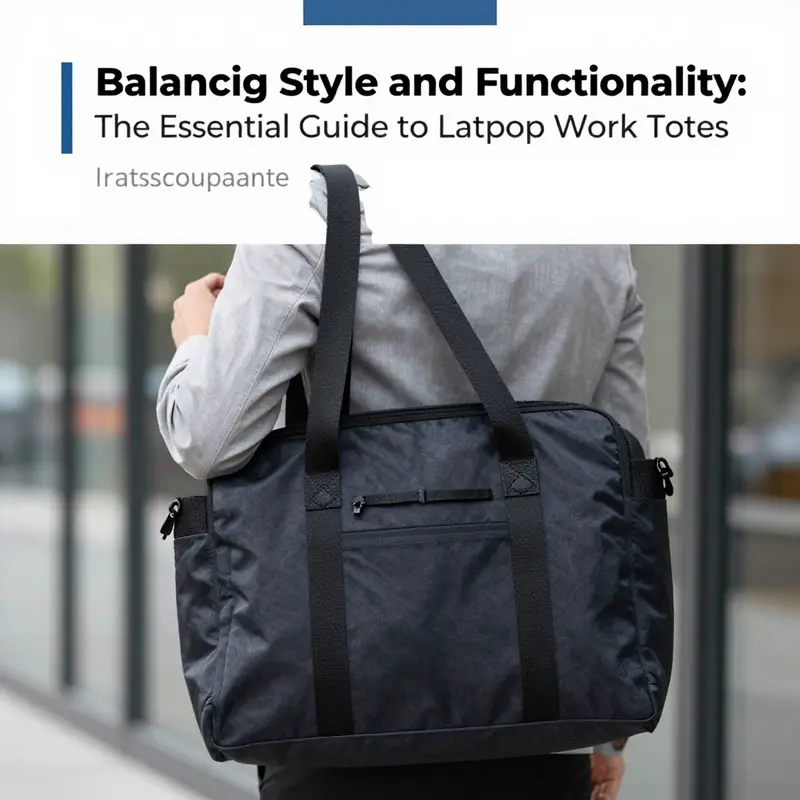
A laptop work tote is more than a fashion statement; it is a portable command center for a modern professional routine. When a bag is designed with the body in mind, it becomes a quiet ally that supports posture, sustains energy, and nudges daily workflows toward efficiency. Ergonomic design in this context is not merely about comfort; it is a practical set of choices that translate into fewer physical distractions, steadier attention, and a more credible appearance in crowded commutes, conference rooms, and collaboration spaces. The tote that carries a laptop and its accessories should vanish as a friction point, allowing the user to move with assurance from desk to meeting to travel, while still projecting polish and professionalism. In this sense, the tote becomes less a prop and more a tool that aligns form with function, shaping how a person navigates the realities of a demanding workday.
Fundamental to this alignment are the padded shoulder straps. They are not a cosmetic feature but a mechanism for distributing weight more evenly across the shoulders. When a bag carries a laptop alongside chargers, notebooks, and a few personal items, the stress concentrates at points where the strap meets the skin. Padded straps cushion those points, reducing pressure, numbness, and the familiar twinge that can creep in after a long commute or a day spent hopping between conference rooms. The padding also helps to minimize shoulder sag that, over many months, can contribute to subtle postural changes. A well-padded strap invites a more balanced carrying experience, which in turn supports the spine and promotes a healthier alignment during prolonged use.
Reinforced handles and adjustable crossbody straps add another layer of ergonomic adaptability. The option to switch between carrying the bag by hand, over the shoulder, or across the body accommodates the wearer’s changing posture and activity. In a city environment, for example, a crossbody configuration can reduce the load on a single shoulder during a long walk or ride, while a handheld grip can be preferable when lifting the bag into a trunk or overhead compartment. Reinforcement matters here: sturdy stitching, durable metal hardware, and robust attachment points prevent wobble and sudden shifts that can disrupt balance. When the bag maintains its shape and control during movement, it reduces micro-adjustments the body must make to compensate for a loose or improperly balanced load. Those adjustments, accumulated over a day, can translate into neck tension, shoulder strain, and fatigue that dull cognitive sharpness and slow decision-making.
The structure of the tote itself plays a critical role in weight distribution. A bag with a structured profile tends to maintain its form even when filled with heavier items. This rigidity helps prevent the contents from shifting around, which can throw off balance and pull on straps in unpredictable ways. A well-structured shape supports even weight distribution along the back and sides, reducing the tendency for the bag to swing or lean during a walk. In essence, structure limits wandering weight, allowing the user to move with a steady cadence rather than catching the bag mid-stride. By avoiding sag, the bag helps keep the spine erect and the chest open, which can enhance breathing and focus during the day. Some models also incorporate back-panel padding, a feature that becomes particularly valuable when the tote doubles as a seat or rests against the lower back while commuting. This padding can improve comfort during long periods of sitting on public transit or in a waiting area, softening contact and reducing irritation against the skin.
Carrying capacity is another crucial ergonomic consideration. Bags must accommodate the essentials without inviting overpacking that inflates weight and compromises balance. A typical professional load includes a 13- to 15-inch laptop, a charger, a notebook or two, a tablet or e-reader, files, and perhaps a small personal item. Ergonomically minded totes are designed to carry these items comfortably without forcing the user to overfill or squeeze in unnecessary items. The goal is to strike a careful balance between capacity and carriage ease. When weight is managed—through thoughtful layout, a judicious distribution of pockets, and access points that minimize awkward rummaging—the user experiences less need to compensate with shoulder hunching or twisting, which in turn supports longer, steadier work sessions.
Size and weight considerations should be matched to the wearer’s body frame and daily carry needs. A bag that is too large can invite empty space that becomes heavy when filled. A bag that is too small can force the user to leave behind critical items or to cram contents, increasing strain. The ergonomic ideal is a bag that sits comfortably against the side or front of the torso, with straps that adjust to a length that allows the bag to ride close to the body without pulling the user forward or backward. The weight of the tote itself matters almost as much as what it carries. Lightweight fabrics with durable construction, coupled with low-profile hardware, can shave several ounces from the total load. Even a few ounces per day accumulate into less fatigue over weeks and months, particularly for those who commute daily or travel frequently for work.
Beyond the obvious hardware and fabric choices, the ergonomic experience of a laptop tote hinges on mindful design decisions about where and how items are stored. Thoughtful pocket placement can reduce the need for constant rummaging, a perennial source of posture-disrupting twists. A dedicated laptop compartment that secures the device in a snug, cushioned cradle prevents it from pressing against other items, which can create pressure points and unwanted wobble. Quick-access pockets for essentials like a phone, transit card, or pen reduce repetitive reaching, which helps maintain a steadier shoulder and arm profile. The interior layout should encourage a natural, upright posture rather than a slouched, knee-strap approach to reaching for belongings. Even small features—soft lining, zipper guards to prevent skin contact, and gentle edge finishes—contribute to a calmer carrying experience that preserves comfort across a full day.
Material choices influence both comfort and longevity. A bag built from durable, relatively lightweight fabric with a smooth interior reduces resistance when sliding items in and out. Zippers and hardware should glide with minimal effort and without snagging, which lessens the need for aggressive tugs that can jolt the bag and the wearer’s posture. Smooth-edged straps and non-slip surfaces help keep the bag in place during movement, preventing the familiar tug of a bag that shifts and pulls at inopportune moments. These material decisions also send a subtle message about professionalism and reliability, reinforcing the wearer’s credibility in the eyes of colleagues and clients. When a tote feels sturdy yet forgiving, it fosters confidence; a bag that fights the user’s attempts to move smoothly becomes a daily friction point and a distraction from work.
The ergonomic conversation around laptop totes naturally invites considerations of fit and personalization. People come in different heights, torso lengths, and shoulder widths, and ergonomic design acknowledges that diversity. Adjustable straps, a contoured back panel, and modular organization enable different users to tailor the bag to their unique anatomy. This personalization is not frivolous; it is practical, ensuring that the tote serves as an extension of the body rather than an obstacle. In practice, this translates to a more consistent path to productivity. When the bag sits where it should, distributes weight evenly, and feels comfortable from the first mile of a commute to the final meeting of the day, the user can focus more energy on tasks and less on how to compensate for carry discomfort.
For professionals who want an option that respects both ergonomic efficiency and style, the conversation often drifts toward specialized categories that address different needs and contexts. If you’re seeking options specifically designed for women, explore the category of laptop tote bags for women. This approach recognizes that women may prioritize slightly different proportions, strap lengths, and pocket distributions to accommodate clothing choices and daily rituals without sacrificing ergonomic principles. The point is not to chase a trend but to harmonize form and function in a way that supports consistent performance. The right tote becomes a partner in rhythm, keeping cadence steady from the moment a person leaves the office and continues through a day of meetings, travel, and focus work.
Ultimately, the value of ergonomic design in a laptop work tote is measured in everyday outcomes. Reduced fatigue, fewer postural quirks, better concentration, and a more composed professional image all accrue from thoughtful choices in padding, adjustability, structure, and layout. When a bag is neither a burden nor a burden-maker but a regulated, supportive extension of the body, it enables the wearer to carry influence as naturally as the device it holds. The tote becomes less visible as an object and more visible as a trusted ally—quiet, reliable, and capable of sustaining the momentum of a demanding workday. As a result, the tote not only carries equipment but also carries the wearer toward clearer thinking, steadier presentation, and a smoother path from task to task. For designers, manufacturers, and users alike, the goal remains consistent: to create a bag that respects the body, respects the workflow, and enhances professional credibility through thoughtful, intentional design.
External resource: A practical overview of tote bag construction, materials, and standards that can inform ergonomic design decisions is available at https://www.instructables.com/Tote-Bag-With-Laptop-Compartment-Material-Standards-Tech/.
Internal reference: For readers interested in gender-tailored options that reflect ergonomic priorities, see the category of laptop tote bags for women: laptop tote bags for women.
Organized for Impact: Turning a Laptop Tote into a Portable Office Powerhouse
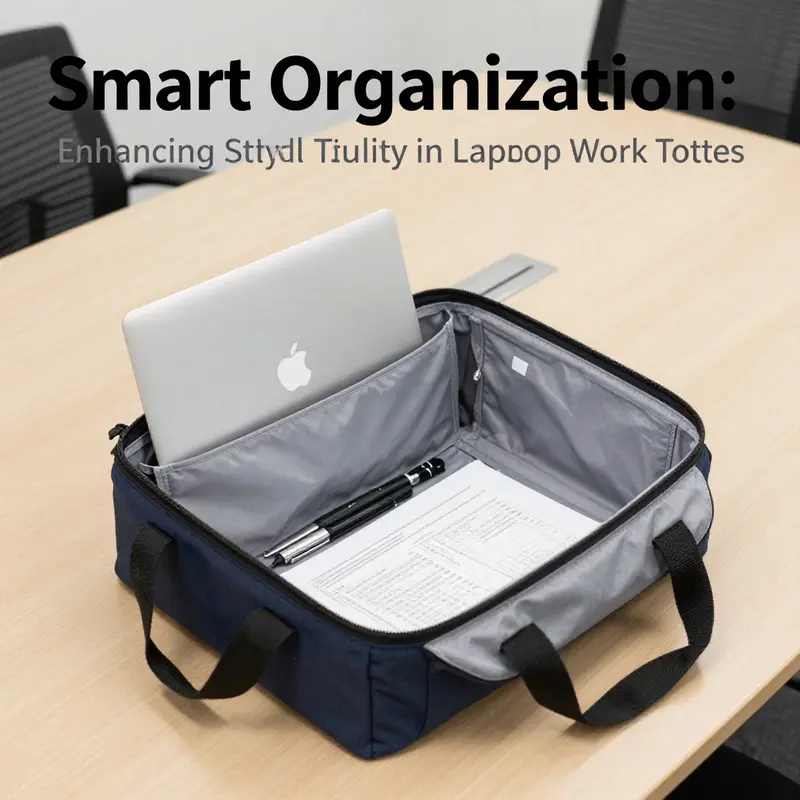
A laptop work tote can be more than a container; it is a compact, portable office that shapes how a workday unfolds. When a bag is organized with intention, it becomes a reliable ally that supports focus, speed, and professional credibility. The art of organization here is not about fuss or excess; it is about designing a system that protects devices, streamlines daily rituals, and communicates competence before a single word is spoken. The foundation of that system rests on thoughtful structure, protective layers, and a mindset that treats the bag as an extension of the desk.
Structure first: a tote with internal dividers, zippered pockets, and a padded laptop sleeve offers immediate benefits by keeping items from shifting during transit. Pair that with a separate slim padded sleeve for a second layer of protection. Neoprene or memory-foam sleeves cushion against bumps, absorbing shocks you might not notice until a lid opens or a document slides free. This layered defense is practical risk management.
Beyond protection, smart organization supports daily routines. A tote should accommodate the laptop and work accessories—pens, chargers, cables—using compact organizers or modular pouches to keep cords untangled. A small zippered pouch can hold lip balm, sanitizer, earbuds, and similar items, while a removable tablet sleeve or a dedicated folder helps with printed materials. Modularity makes it easy to swap in and out items without unpacking the whole bag.
The mindset is key: treat the laptop bag as a mini office. Place the items you reach for most in front-access pockets, so they are within reach. Items used less often live toward the back. This arrangement mirrors an efficient desk: essential tools at your fingertips, secondary resources tucked away, and a clean surface for tasks that demand attention. The goal is to reduce friction so a glance or touch yields the tool you need.
Real-world testing confirms the theory. Load the bag with a laptop, tablet, notebooks, water bottle, and wallet; assess balance, weight, and access as you move through doors and stairs. If the bag sags or is unbalanced, adjust construction or handles. The test should show the tote feeling almost invisible when worn, freeing energy for the work itself.
In practice, high-quality totes blend elegance with practical detail—hidden keychains, dedicated pouches, multiple compartments that keep documents flat and protected. A clutter-free interior reduces cognitive load, preserving mental bandwidth for higher-priority tasks. Organization becomes a strategic tool that shapes how you present yourself in meetings and during collaborations.
For readers seeking options, consider how compartments align with your typical day. Front-access pockets for chargers, tickets, or a compact notepad; removable sleeves or dedicated folders for multiple devices; and a layout that places heavier items nearer the center to feel steadier on the shoulder. The goal is a system that adapts to evolving workflows, keeping the tote relevant as roles and travel patterns shift.
The next step is action: audit your current bag and map your daily routine to a new layout. Start with the laptop sleeve and a slim secondary sleeve, add modular organizers, position front pockets for items you reach first, and test in real conditions before deciding on sturdier constructions or different internal arrangements. The payoff is smoother commutes, faster transitions, and a confident professional presence in every meeting.
Carrying Confidence: How Affordable Laptop Totes Shape Style, Efficiency, and Professional Presence
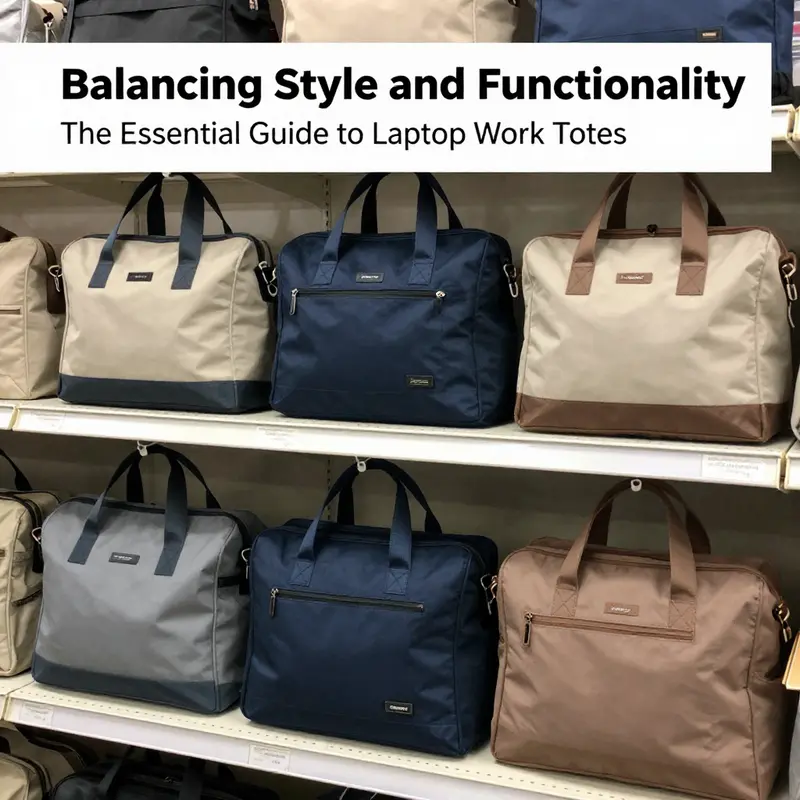
A laptop work tote is not just a container; it is a compact workstation designed to support attention, speed, and poise through a typical workday. The tote’s value lies as much in what it hides as in what it reveals. When a bag offers a snug laptop sleeve, organized pockets for chargers and notes, and a careful balance of padding and fabric, it becomes a quiet ally in a day that moves between cubicles, conference rooms, and co-working hubs. A well-chosen affordable option does more than hold a device; it communicates readiness, discipline, and an appreciation for good design that respects the office environment and the commute alike. The result is not ostentation but a practical confidence that improves daily workflow and the perception of credibility.
The core function of a laptop tote rests in a thoughtfully designed laptop compartment. A purpose-built sleeve protects the device from bumps and weather while remaining easy to access during security checks or hallway transitions. Beyond protecting the screen and ports, this dedicated space reduces the overall clutter inside the bag. It keeps the laptop separate from the papers, chargers, and spare notebooks that accumulate in a typical day. In higher-end or more densely organized totes, the interior is woven with smart pockets and elastic loops to secure a pen, a USB drive, or a compact power bank. A well-placed zipper pocket guards essentials such as an ID badge or transit pass, allowing a professional to pass smoothly through reception without rifling through every bag. Even at an affordable price point, the smartest designs translate what could be a jumble into order.
Beyond protection, the tote must offer ergonomic support. The weight of a laptop and its daily paraphernalia should sit close to the body to minimize shoulder strain. An intelligently contoured shoulder strap, possibly with a breathable pad, helps distribute weight and prevents fatigue during long walks between meetings or flights through terminals. Some two-way totes invite further versatility by offering convertible straps. A bag that can transform from a tote into a compact backpack allows hands-free movement during travel or during a hectic day that scatters temporary tasks across a building. The ability to switch modes—tote for quiet, professional environments; backpack for movement-heavy commutes—adds a layer of adaptability that costlier, single-function options struggle to match. The result is a simple but powerful boost to daily efficiency, a subtle shift in cadence as one transitions from desk to transit to meeting room.
Yet style remains inseparable from function in the modern workplace. The tote’s surface materials, stitching quality, and hardware contribute to an overall impression that travels with you before you speak. A durable exterior that withstands light rain or accidental bumps communicates care for one’s tools. The same claim applies to interior linings, which should resist abrasion from rough sleeves or pens and remain easy to wipe clean. The fit of the bag against the torso matters too; a broad bottom that keeps the bag stable when set on a desk or in a meeting room reduces fidgeting and helps maintain posture. Subtle colorways, clean lines, and refined textures offer a professional look without shouting for attention. The goal is a balanced aesthetic—a bag that quietly supports the wearer’s presence rather than dominating the scene. For many professionals, this balance is more important than a single designer flourish.
In practice, the best affordable totes recognize that professional life is a sequence of small, repetitive choices. The tote should readily accommodate a laptop of standard sizes, plus a tablet or notebook, while leaving room for a charger, a cable organizer, and perhaps a slim file folder. A smart layout uses vertical compartments to keep items separated without increasing width; it preserves a trim silhouette that slides easily in and out of desks and office elevators. A thoughtful interior layout reduces the need to spin the bag in search of a charger or a spare pen, which saves seconds that accumulate into meaningful productivity over weeks and months. The exterior should still feel light to carry, even when fully loaded; thus, pocket placement and strap geometry matter as much as fabric weight. Durable hardware—zippers that glide smoothly and clasps that resist daily wear—adds to reliability and confidence, even under tight schedules or crowded commutes. These design choices, when combined, transform an affordable tote into a durable, long-term partner in professional life.
Affordability today often translates into sustainable choices tomorrow. Many shoppers seek materials that resist wear and weather without forcing a premium price. A water-resistant fabric or a coated finish protects the laptop and the contents from drizzle or accidental spills. Yet the outer layer should also feel robust to casual inspection. The overall impression—quality of construction, even stitching, and clean edges—tells colleagues that the owner values organization and forethought. In a climate-conscious era, the possibility of selecting recycled or responsibly sourced materials can be an added driver, ensuring that the tote supports long-term use rather than becoming a disposable accessory. And while budget constraints are real, a budget-friendly tote that lasts longer through daily use can be a smarter investment than a fleeting splurge that needs replacement after a few months. The aim is to pair sensible materials with practical design to create a bag that ages gracefully while continuing to perform.
For readers seeking practical paths through a crowded market, it helps to anchor decisions to core needs rather than brand prestige. Start with precise laptop dimensions and a measured sense of what else travels daily. If you typically carry a charger, notebook, external drive, or tablet, choose a tote with a roomy yet organized interior that can accommodate these items without crowding the laptop itself. Consider whether you move between offices, transit hubs, or cafés; in each case, a two-way design that converts to a backpack or crossbody can cut the friction of a long day. Evaluate how easy it is to access the device and the other daily essentials; the best totes offer a quick unzip or a top-loading panel that keeps the bundle secure while remaining convenient to reach. A simple test—the bag filled with typical items, worn by a shopper, and carried through a small obstacle course of stairs, doors, and elevators—often reveals more about real-life usability than any product description. In addition to fit, consider the bag’s weight empty; lighter fabrics with sturdy support straps often outperform heavier cases that look substantial but feel sluggish once loaded. In the quest for value, this pragmatic approach prioritizes durability, daily ease of use, and a fit with the wearer’s routines, rather than chasing the latest influencer-approved silhouette.
To help readers connect with a broader set of options tailored to practical needs, a focused resource exists for categories of laptop totes designed with women in mind. Explore selections that balance feminine aesthetics with robust organization and ergonomic carry, such as those highlighted in the category of laptop tote bags for women. laptop-tote-bags-women. This referral is not a plug but a guide to a subset of the market that prioritizes comfort, fit, and accessible organization for daily work routines.
Ultimately, the best affordable laptop tote is the one that respects the cadence of a busy work life. It carries the device with care, keeps cables orderly, and returns a calm, professional look to the wearer as they move through meetings, corridors, and coffee-powered bursts of focus. It should be reliable in weather, practical in layout, and mindful of posture and ergonomics. The simplest way to ensure such a tote remains a trusted ally is to test it against the realities of a typical day: a commute, a few meetings, a presentation, and a quick run to a café. If it passes that test, the tote becomes more than a purchase; it becomes a structured ally that helps keep attention where it should be—on ideas, collaboration, and the work at hand. The ongoing value of an affordable tote hinges on materials that endure, compartments that support a smooth workflow, and a design that signals professionalism through quiet, confident utility. External reference: https://www.sandqvist.com/en-gb/collections/work-bags/go-travel-2-way-tote-bag
Final thoughts
In conclusion, selecting the right laptop work tote is a strategic decision for business owners looking to enhance their team’s professional image and efficiency. The carefully chosen features, durable materials, ergonomic designs, smart organization strategies, and affordable options combine seamlessly to create a tote that serves not only as a functional accessory but also as a reflection of the brand’s values. Investing in high-quality laptop work totes can lead to enhanced productivity and a more polished professional presence in any environment. Equip your team with tools that inspire confidence and support their work, reinforcing the commitment to excellence in your organization.